


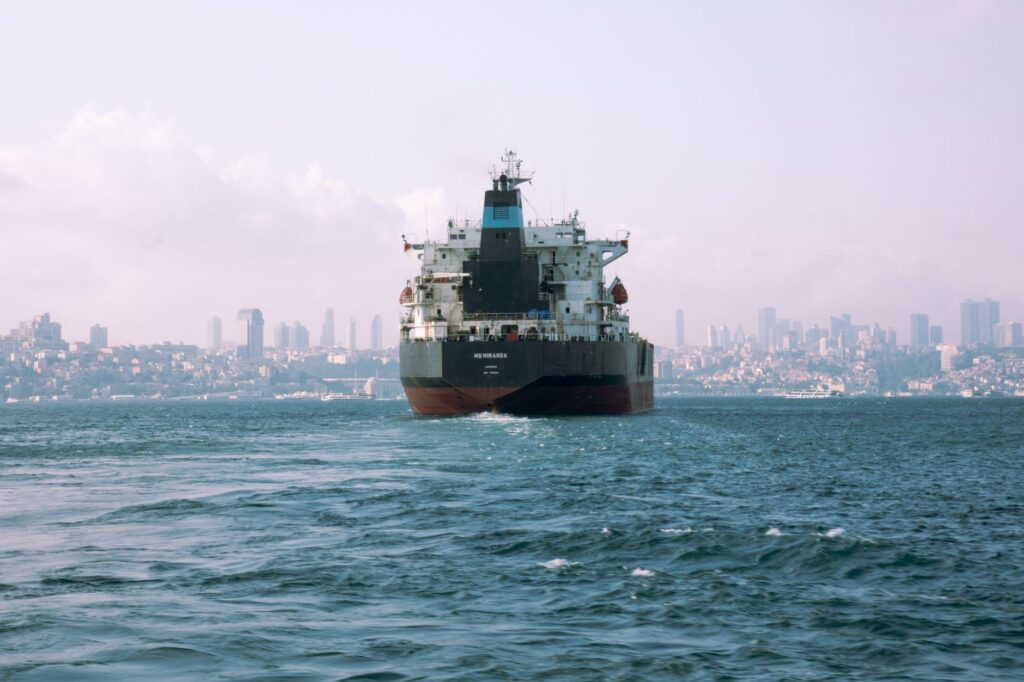
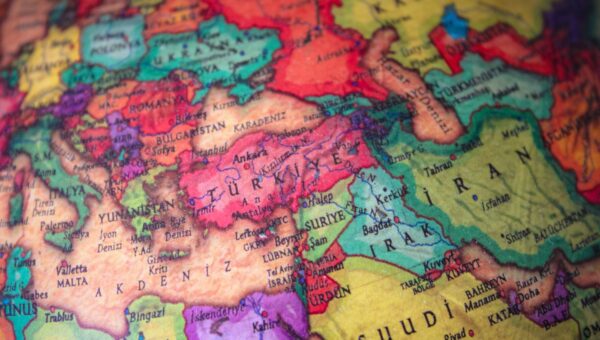
The Strait of Hormuz, a critical waterway connecting the Persian Gulf to the Arabian Sea, has once again become a flashpoint in the escalating tensions between the United States and Iran. According to a report by Al Jazeera, retired US General Mark Kimmitt has warned that renewed attacks in the region could push the two nations towards a wider conflict. With over 20% of the world’s oil passing through the Strait, any disruption to shipping lanes could have far-reaching consequences for the global economy.
- The Strait of Hormuz is a vital shipping lane with significant global economic implications.
- Retired US General Mark Kimmitt has expressed concerns over potential renewed conflict between the US and Iran.
- Any military engagement in the region could have severe repercussions for global oil markets and economic stability.

Background to the Conflict
The tensions between the US and Iran have been simmering for decades, with the two nations engaging in a series of proxy wars and covert operations across the Middle East. The situation has been further complicated by the presence of other regional actors, including Saudi Arabia and Israel, who have their own interests and agendas in the region. According to Dr. Sanam Vakil, Deputy Director of the Middle East and North Africa Programme at Chatham House, “The conflict in the Strait of Hormuz is a symptom of a broader struggle for influence and power in the region.”
Historical Context
The Strait of Hormuz has long been a source of contention between the US and Iran, with the two nations engaging in a series of naval confrontations and diplomatic standoffs over the years. In 2019, the situation escalated significantly, with the US deploying additional military assets to the region in response to alleged Iranian aggression. The situation was further complicated by the US withdrawal from the Joint Comprehensive Plan of Action (JCPOA), also known as the Iran nuclear deal, which had provided a framework for diplomatic engagement between the two nations.
“The US withdrawal from the JCPOA was a significant setback for regional stability, and has contributed to the current tensions in the Strait of Hormuz.”
— Dr. Sanam Vakil, Deputy Director, Middle East and North Africa Programme, Chatham House
Military Implications
The potential for renewed conflict in the Strait of Hormuz has significant implications for the US and Iranian militaries. Both nations have invested heavily in their naval capabilities, with the US maintaining a significant presence in the region through its Fifth Fleet, based in Bahrain. According to Admiral James Foggo, former Commander of US Naval Forces Europe, “The US Navy is well-equipped to respond to any Iranian aggression in the region, but the situation is complex and requires a nuanced approach.”
Navigating the Strait
The Strait of Hormuz is a narrow and congested waterway, with significant challenges for naval operations. The region is also home to a number of islands and maritime features, which could be used as bases for Iranian naval operations. According to a report by the International Institute for Strategic Studies (IISS), the Iranian Navy has developed a range of capabilities, including fast attack craft and anti-ship missiles, which could be used to target US and other international shipping in the region.
“The Iranian Navy is a formidable force, with a range of capabilities that could be used to disrupt shipping in the Strait of Hormuz.”
— Admiral James Foggo, former Commander, US Naval Forces Europe
of the world’s oil passes through the Strait of Hormuz, according to the US Energy Information Administration (EIA)
What This Means Going Forward
The renewed tensions in the Strait of Hormuz have significant implications for the global economy and regional stability. With the potential for conflict escalating by the day, it is essential that the US and Iran engage in diplomatic efforts to reduce tensions and prevent a wider conflict. According to a report by the Brookings Institution, “The US and Iran must work together to establish a framework for cooperation in the region, and to address the underlying issues that are driving the current tensions.”
Frequently Asked Questions
Q: What is the Strait of Hormuz, and why is it important?
The Strait of Hormuz is a vital shipping lane that connects the Persian Gulf to the Arabian Sea, with over 20% of the world’s oil passing through the region. The strait is approximately 90 miles wide, and is a critical chokepoint for international trade.
Q: What are the implications of a conflict in the Strait of Hormuz for the global economy?
A conflict in the Strait of Hormuz could have significant implications for the global economy, with the potential for disruption to oil supplies and shipping lanes. This could lead to increased prices for oil and other commodities, and could have a negative impact on global trade and economic growth.
Q: How can the US and Iran work to reduce tensions and prevent a wider conflict in the region?
The US and Iran must engage in diplomatic efforts to reduce tensions and prevent a wider conflict in the region. This could involve establishing a framework for cooperation, and addressing the underlying issues that are driving the current tensions. According to Dr. Trita Parsi, Founder and former President of the National Iranian American Council, “The US and Iran must work together to establish a framework for cooperation, and to address the underlying issues that are driving the current tensions.”
Conclusion
The renewed tensions in the Strait of Hormuz have significant implications for the global economy and regional stability. With the potential for conflict escalating by the day, it is essential that the US and Iran engage in diplomatic efforts to reduce tensions and prevent a wider conflict. According to a report by the Carnegie Endowment for International Peace, “The US and Iran must work together to establish a framework for cooperation, and to address the underlying issues that are driving the current tensions.” The situation is complex and requires a nuanced approach, but with diplomatic efforts and a commitment to cooperation, it may be possible to reduce tensions and prevent a wider conflict.
The situation in the Strait of Hormuz is a reminder of the ongoing challenges and complexities of the Middle East, and the need for sustained diplomatic efforts to address the underlying issues that are driving the current tensions. As the US and Iran navigate this critical period, it is essential that they prioritize cooperation and diplomacy, and work to establish a framework for reducing tensions and preventing a wider conflict.
The global community has a significant stake in the outcome of this situation, and must work to support diplomatic efforts and promote cooperation in the region. According to a statement by the United Nations Secretary-General, “The situation in the Strait of Hormuz is a reminder of the need for sustained diplomatic efforts to address the underlying issues that are driving the current tensions.” The UN and other international organizations must work to support diplomatic efforts, and to promote cooperation and stability in the region.
📚 Sources & References
- www.aljazeera.com — Original report — July 13, 2026
- Chatham House — Dr. Sanam Vakil — Deputy Director, Middle East and North Africa Programme
- Brookings Institution — The Strait of Hormuz: A Powder Keg for Global Conflict — July 10, 2026


Leave a Comment