

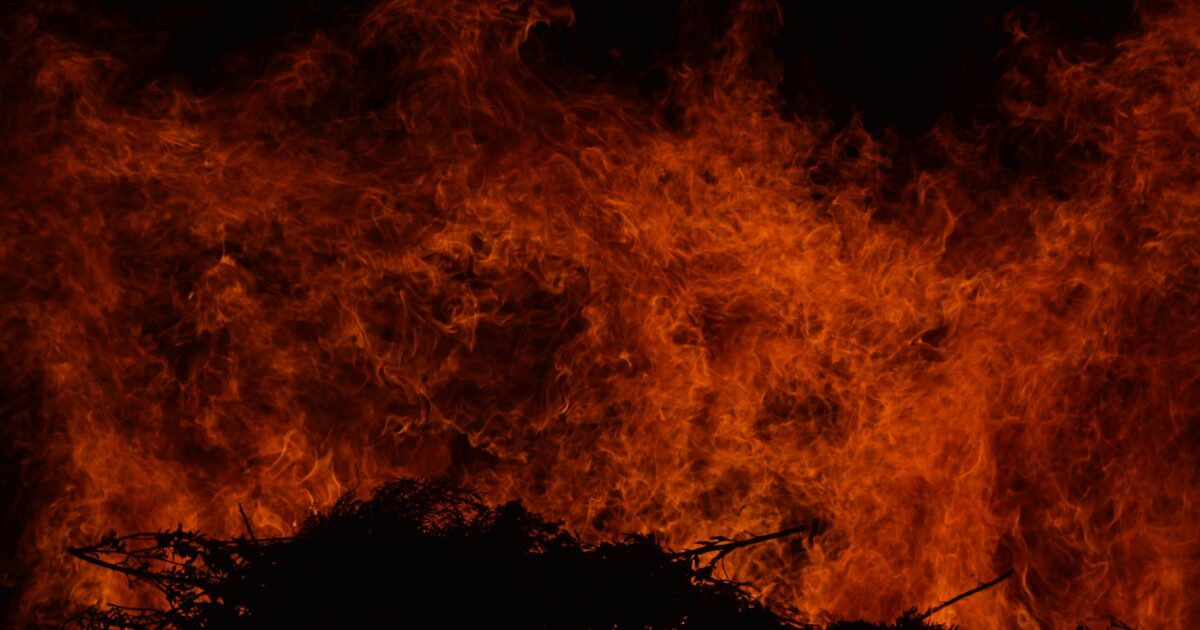
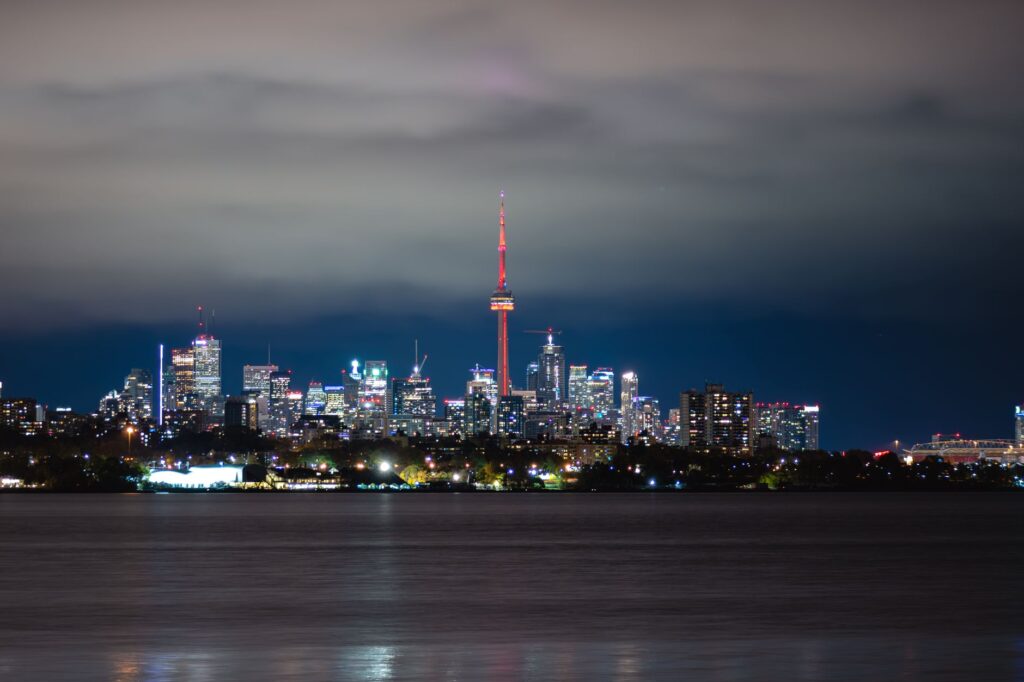
Air quality in Toronto, Canada’s largest city, plummeted to the worst in the world on Wednesday, with the air quality index (AQI) reaching a staggering 314, according to official reports. The hazardous conditions are a result of rampant wildfires across Ontario, which have sent massive plumes of smoke drifting into New York City and beyond. As of today, July 15, 2026, the situation remains dire, with no immediate end in sight.
- The wildfires in Ontario have caused the air quality in Toronto to deteriorate to the worst in the world, with an AQI of 314.
- The smoke from the wildfires has spread to New York City and other parts of the Northeast, affecting millions of people.
- The Canadian government has deployed firefighters and equipment to combat the blazes, but the situation remains challenging due to hot and dry conditions.
Understanding the Crisis
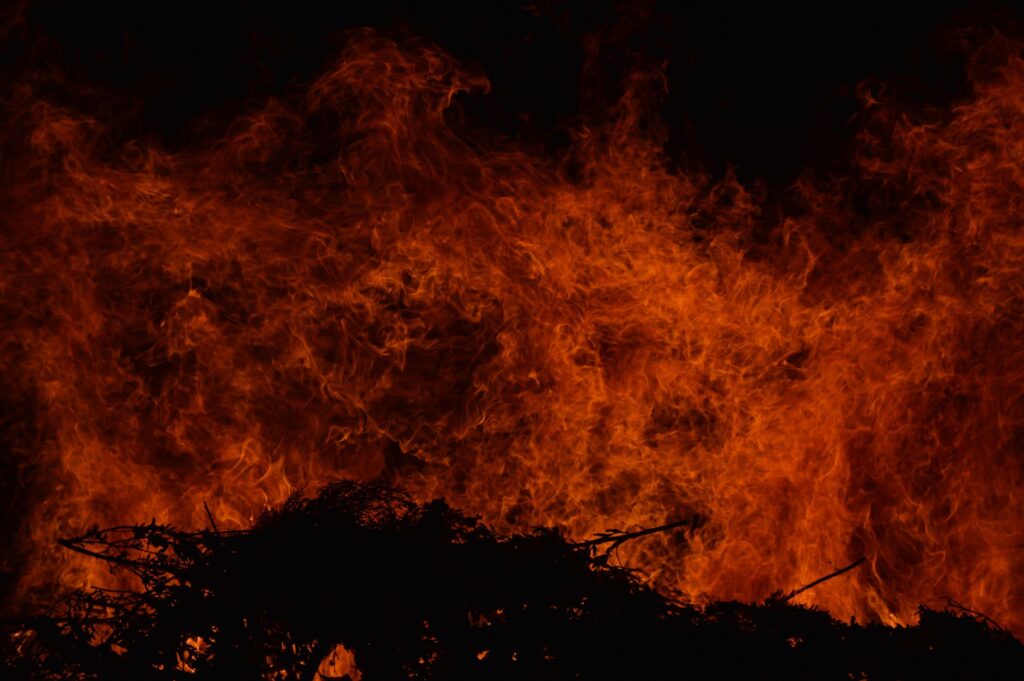
The wildfires in Ontario are a result of a combination of factors, including hot and dry weather, strong winds, and human activity. The fires have been burning for several days, with over 100 active blazes reported across the province. The smoke from these fires has traveled long distances, affecting not only Toronto but also other parts of Canada and the United States.
Causes and Consequences
According to Dr. John Abbott, a wildfire expert at the University of Toronto, the current wildfire season is one of the worst in recent history. “The hot and dry conditions have created a perfect storm for wildfires to spread quickly and uncontrollably,” he said. The consequences of these fires are far-reaching, with impacts on air quality, human health, and the environment.
“The situation is extremely challenging, and we are doing everything in our power to combat the fires and protect the public.”
— David Piccini, Ontario Minister of the Environment, Conservation and Parks
The Canadian government has responded to the crisis by deploying firefighters and equipment to combat the blazes. However, the situation remains difficult due to the hot and dry conditions, which are expected to persist in the coming days.
Health Impacts and Precautions
The poor air quality in Toronto and other affected areas has significant implications for human health. The AQI of 314 is considered hazardous, and people are advised to stay indoors and avoid outdoor activities. According to Dr. Theresa Tam, Canada’s Chief Public Health Officer, the poor air quality can exacerbate respiratory conditions such as asthma and chronic obstructive pulmonary disease (COPD).
Protecting Yourself and Your Family
To protect themselves and their families, people are advised to follow certain precautions. These include staying indoors, avoiding outdoor activities, and using air purifiers to reduce exposure to poor air quality. It is also essential to monitor air quality indexes and follow the advice of local authorities.
“We urge everyone to take precautions to protect their health, especially those with pre-existing medical conditions.”
— Dr. Eileen de Villa, Toronto’s Medical Officer of Health
The air quality index (AQI) in Toronto, which is considered hazardous and the worst in the world, according to official reports.
What This Means Going Forward
The wildfires in Ontario and the resulting poor air quality in Toronto and other areas have significant implications for the environment, human health, and the economy. As the situation continues to unfold, it is essential to monitor developments and follow the advice of local authorities. The Canadian government and other stakeholders must also work together to address the root causes of the wildfires and develop strategies to mitigate their impacts.
Frequently Asked Questions
Q: What is the current air quality index (AQI) in Toronto?
The current AQI in Toronto is 314, which is considered hazardous. People are advised to stay indoors and avoid outdoor activities.
Q: What are the health implications of the poor air quality?
The poor air quality can exacerbate respiratory conditions such as asthma and COPD. People are advised to follow precautions to protect their health, especially those with pre-existing medical conditions.
Q: What is being done to combat the wildfires in Ontario?
The Canadian government has deployed firefighters and equipment to combat the blazes. However, the situation remains challenging due to hot and dry conditions, which are expected to persist in the coming days.
Conclusion
The wildfires in Ontario and the resulting poor air quality in Toronto and other areas are a significant concern for the environment, human health, and the economy. As the situation continues to unfold, it is essential to monitor developments and follow the advice of local authorities. The Canadian government and other stakeholders must also work together to address the root causes of the wildfires and develop strategies to mitigate their impacts.
The situation is a reminder of the importance of taking care of the environment and addressing the root causes of wildfires. By working together, we can reduce the risk of such disasters and create a safer and healthier environment for everyone.
In the coming days and weeks, it will be crucial to monitor the situation and follow the advice of local authorities. By doing so, we can protect ourselves and our families from the impacts of the poor air quality and support the efforts to combat the wildfires.
📚 Sources & References
- rss.nytimes.com — Original report — July 15, 2026
- The Globe and Mail — Wildfires in Ontario — July 15, 2026
- CBC News — Air quality in Toronto — July 15, 2026




Leave a Comment