

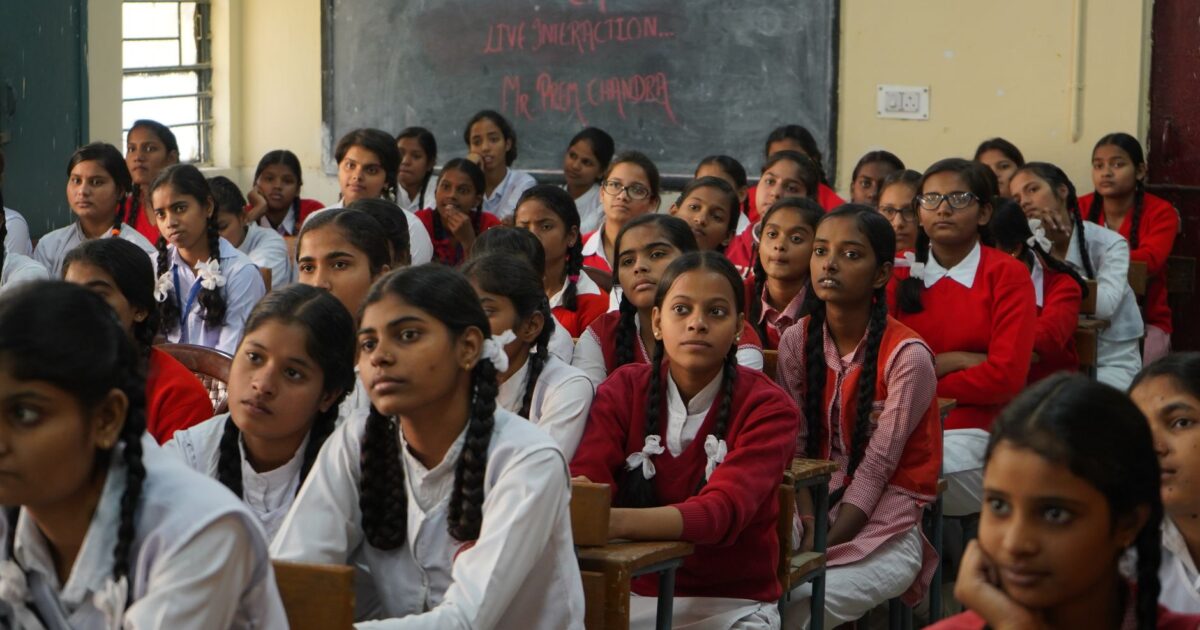
As India’s massive youth population surges, with over 250 million students enrolled in schools, the government faces mounting pressure to fix an education system that leaves many ill-prepared for university, let alone the workplace. A staggering 53% of students in India’s rural areas are unable to read a simple text at the age of 14, according to a recent report by the Annual Status of Education Report (ASER). This alarming statistic highlights the dire need for reform in India’s education sector.
- India’s education system is struggling to provide quality education to its massive youth population, with 250 million students enrolled in schools.
- A significant percentage of students, especially in rural areas, lack basic reading and writing skills, with 53% unable to read a simple text at the age of 14.
- The Indian government faces pressure to implement reforms and improve the education system to prepare students for the workforce and higher education.
The Current State of Education in India
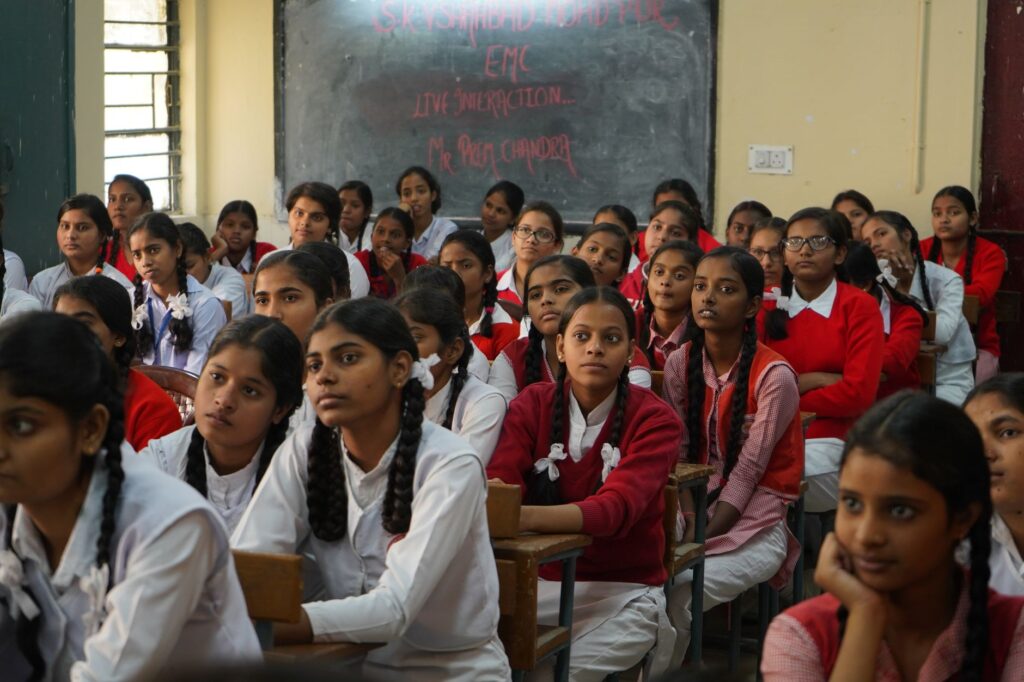
The Indian education system is facing numerous challenges, including inadequate infrastructure, insufficient funding, and a shortage of qualified teachers. According to a report by the World Bank, India’s education sector requires an investment of $180 billion to achieve the United Nations’ Sustainable Development Goal for education by 2030. However, the current allocation for education in the Indian budget is merely 3.1% of the GDP, which is significantly lower than the recommended 6% by the UNESCO.
Infrastructure and Funding
The lack of adequate infrastructure and funding is a significant obstacle in providing quality education in India. Many schools, especially in rural areas, lack basic amenities such as toilets, drinking water, and electricity. The Indian government has launched several initiatives to improve the infrastructure, including the Sarva Shiksha Abhiyan (SSA) and the Rashtriya Madhyamik Shiksha Abhiyan (RMSA), but the progress has been slow.
“The education system in India is in a shambles, and we need to take drastic measures to improve it. We need to increase the funding for education and ensure that the funds are utilized effectively.”
— Ramesh Pokhriyal, Former Minister of Education, Government of India
Challenges in Implementing Reforms
Implementing reforms in the Indian education system is a complex task, given the country’s diverse population and geographical spread. The system is also plagued by corruption, with many schools and colleges involved in malpractices such as fake degrees and certifications. The Indian government has introduced several initiatives to promote transparency and accountability, including the introduction of online admission systems and digital mark sheets.
Role of Technology
Technology can play a significant role in improving the education system in India. Online learning platforms and digital resources can help bridge the gap in access to quality education, especially in rural areas. The Indian government has launched several initiatives to promote digital learning, including the National Digital Literacy Mission and the e-VidyaBharati and e-AarogyaBharati (e-VBAB) Network Project.
“Technology can be a game-changer in the Indian education system, but we need to ensure that it is accessible and affordable for all. We need to invest in digital infrastructure and provide training to teachers to effectively utilize technology in the classroom.”
— Anil Swarup, Former Secretary, Department of School Education and Literacy, Government of India
Percentage of students in India’s rural areas who are unable to read a simple text at the age of 14, according to the Annual Status of Education Report (ASER) 2020.

What This Means Going Forward
The Indian government’s efforts to reform the education system will have a significant impact on the country’s future. With a massive youth population, India has the potential to become a global leader in various fields, but only if its education system is equipped to provide quality education and skills training. The government needs to prioritize education and allocate sufficient funds to improve the infrastructure, teacher training, and digital resources.
Frequently Asked Questions
Q: What are the major challenges facing the Indian education system?
The Indian education system faces numerous challenges, including inadequate infrastructure, insufficient funding, and a shortage of qualified teachers. Corruption and malpractices are also significant obstacles in providing quality education.
Q: How can technology improve the Indian education system?
Technology can play a significant role in improving the Indian education system by providing access to digital resources, online learning platforms, and virtual classrooms. It can also help bridge the gap in access to quality education, especially in rural areas.
Q: What initiatives has the Indian government launched to improve the education system?
The Indian government has launched several initiatives to improve the education system, including the Sarva Shiksha Abhiyan (SSA), the Rashtriya Madhyamik Shiksha Abhiyan (RMSA), and the National Digital Literacy Mission. The government has also introduced online admission systems and digital mark sheets to promote transparency and accountability.
Conclusion
The Indian education system is at a critical juncture, and the government needs to take drastic measures to improve it. With a massive youth population, India has the potential to become a global leader in various fields, but only if its education system is equipped to provide quality education and skills training. The government needs to prioritize education and allocate sufficient funds to improve the infrastructure, teacher training, and digital resources. The private sector and civil society also need to play a significant role in supporting the government’s efforts to reform the education system.
The way forward is not easy, but with a concerted effort from all stakeholders, India can create an education system that is inclusive, equitable, and of high quality. As Ramesh Pokhriyal, Former Minister of Education, Government of India, said, “The education system in India is in a shambles, and we need to take drastic measures to improve it. We need to increase the funding for education and ensure that the funds are utilized effectively.”
In conclusion, the Indian education system requires a comprehensive overhaul to provide quality education to its massive youth population. The government, private sector, and civil society need to work together to improve the infrastructure, teacher training, and digital resources. With a concerted effort, India can create an education system that is capable of producing skilled and knowledgeable citizens who can compete in the global economy.
📚 Sources & References
- rss.nytimes.com — Original report — July 28, 2026
- Annual Status of Education Report (ASER) 2020 — ASER Centre
- Financing Education in India — World Bank, 2020



Leave a Comment