

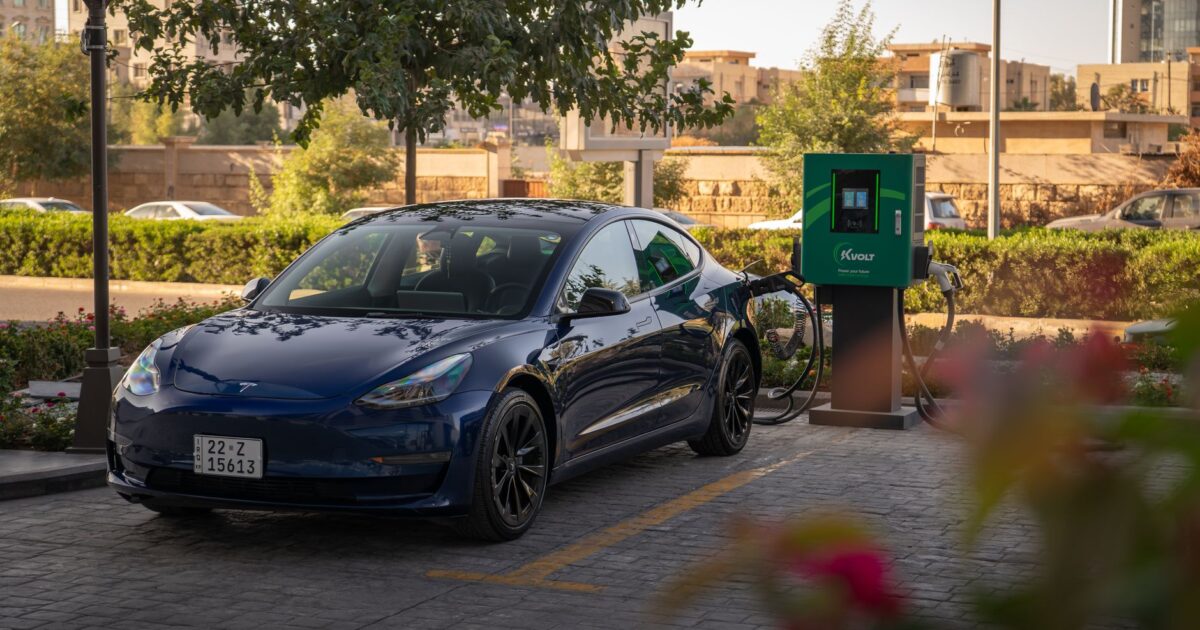
As gas prices continue to soar, reaching an all-time high of $4.25 per gallon in the United States as of August 2026, people in developing countries are turning to a more affordable and environmentally friendly mode of transportation: battery-powered motorcycles. In Lahore, Pakistan, the streets are filled with the hum of electric bikes, a trend that is expected to continue as the demand for eco-friendly vehicles grows. According to a report by the International Energy Agency (IEA), the global electric vehicle market is projected to reach 140 million units by 2030, with two-thirds of those being two-wheelers.
- The electric motorcycle market is experiencing rapid growth in developing countries, with Pakistan being a key hub.
- The high cost of gasoline and increasing awareness of environmental issues are driving the demand for eco-friendly vehicles.
- Major manufacturers are investing heavily in electric motorcycle technology, with several new models expected to hit the market in the next year.
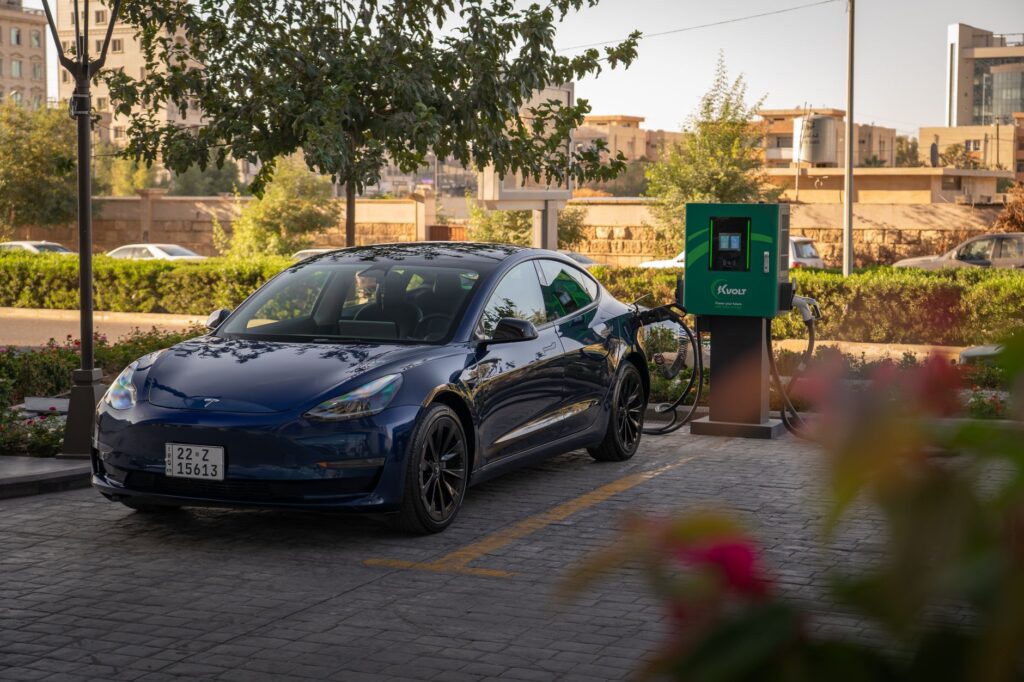
The Rise of Electric Motorcycles in Developing Countries
The shift towards electric motorcycles in developing countries is being driven by a combination of factors, including the high cost of gasoline, increasing awareness of environmental issues, and government incentives. In Pakistan, for example, the government has introduced a series of policies aimed at promoting the use of electric vehicles, including tax exemptions and subsidies for manufacturers. As a result, the country has seen a significant increase in the number of electric motorcycles on the road, with sales expected to reach 1 million units by the end of 2026.
Benefits of Electric Motorcycles
Electric motorcycles offer a number of benefits over traditional gasoline-powered bikes, including lower operating costs, reduced emissions, and improved performance. According to a study by the National Renewable Energy Laboratory (NREL), electric motorcycles can save owners up to $700 per year in fuel costs, while also reducing greenhouse gas emissions by up to 70%. Additionally, electric motorcycles are often quieter and smoother than traditional bikes, making them a more comfortable ride for commuters.
“The electric motorcycle market is experiencing rapid growth, driven by increasing demand for eco-friendly vehicles and government incentives. We expect to see significant investment in this sector over the next few years.”
— Ali Asghar, CEO of Pakistan’s largest motorcycle manufacturer
Major Manufacturers Invest in Electric Motorcycle Technology
Major motorcycle manufacturers are investing heavily in electric motorcycle technology, with several new models expected to hit the market in the next year. Companies such as Honda, Yamaha, and Harley-Davidson are all developing electric motorcycles, with a focus on performance, range, and affordability. According to a report by Bloomberg, the global electric motorcycle market is expected to reach $14.4 billion by 2025, with Asia being the largest market.
Challenges Facing the Electric Motorcycle Industry
Despite the growth of the electric motorcycle market, there are still several challenges facing the industry. One of the main challenges is the lack of charging infrastructure, particularly in developing countries. Additionally, the high upfront cost of electric motorcycles can be a barrier for many consumers. However, as technology improves and economies of scale are achieved, the cost of electric motorcycles is expected to decrease, making them more competitive with traditional gasoline-powered bikes.
Reduction in greenhouse gas emissions from electric motorcycles compared to traditional gasoline-powered bikes, according to a study by the National Renewable Energy Laboratory (NREL)
What This Means Going Forward
The growth of the electric motorcycle market has significant implications for the environment, the economy, and consumers. As the demand for eco-friendly vehicles continues to grow, we can expect to see increased investment in electric motorcycle technology, improved charging infrastructure, and more affordable prices. According to a report by the IEA, the widespread adoption of electric vehicles could reduce greenhouse gas emissions from transportation by up to 70% by 2050.
Frequently Asked Questions
Q: What are the benefits of electric motorcycles?
Electric motorcycles offer a number of benefits, including lower operating costs, reduced emissions, and improved performance. They are also often quieter and smoother than traditional bikes, making them a more comfortable ride for commuters.
Q: How much do electric motorcycles cost?
The cost of electric motorcycles varies depending on the model and manufacturer, but they are generally more expensive than traditional gasoline-powered bikes. However, as technology improves and economies of scale are achieved, the cost of electric motorcycles is expected to decrease, making them more competitive with traditional bikes.
Q: What is the range of electric motorcycles?
The range of electric motorcycles varies depending on the model and manufacturer, but most have a range of between 50 and 200 miles on a single charge. Some high-end models have a range of up to 300 miles or more.
Conclusion
The electric motorcycle revolution is underway, with developing countries such as Pakistan leading the charge. As the demand for eco-friendly vehicles continues to grow, we can expect to see increased investment in electric motorcycle technology, improved charging infrastructure, and more affordable prices. According to a report by the IEA, the widespread adoption of electric vehicles could reduce greenhouse gas emissions from transportation by up to 70% by 2050.
“The electric motorcycle market is a game-changer for the transportation sector, offering a cleaner, more efficient, and more affordable mode of transportation. We expect to see significant growth in this sector over the next few years.”
— Fatima Zaidi, Environmental Expert at the World Bank
As the world continues to urbanize and the demand for transportation grows, the electric motorcycle market is poised to play a significant role in reducing greenhouse gas emissions and improving air quality. With major manufacturers investing heavily in electric motorcycle technology and governments introducing policies to promote the use of eco-friendly vehicles, the future of transportation is looking greener than ever.
📚 Sources & References
- rss.nytimes.com — Original report — August 11, 2026
- International Energy Agency — Global EV Outlook 2022 — June 2022
- National Renewable Energy Laboratory — Electric Motorcycles — August 2026




Leave a Comment