


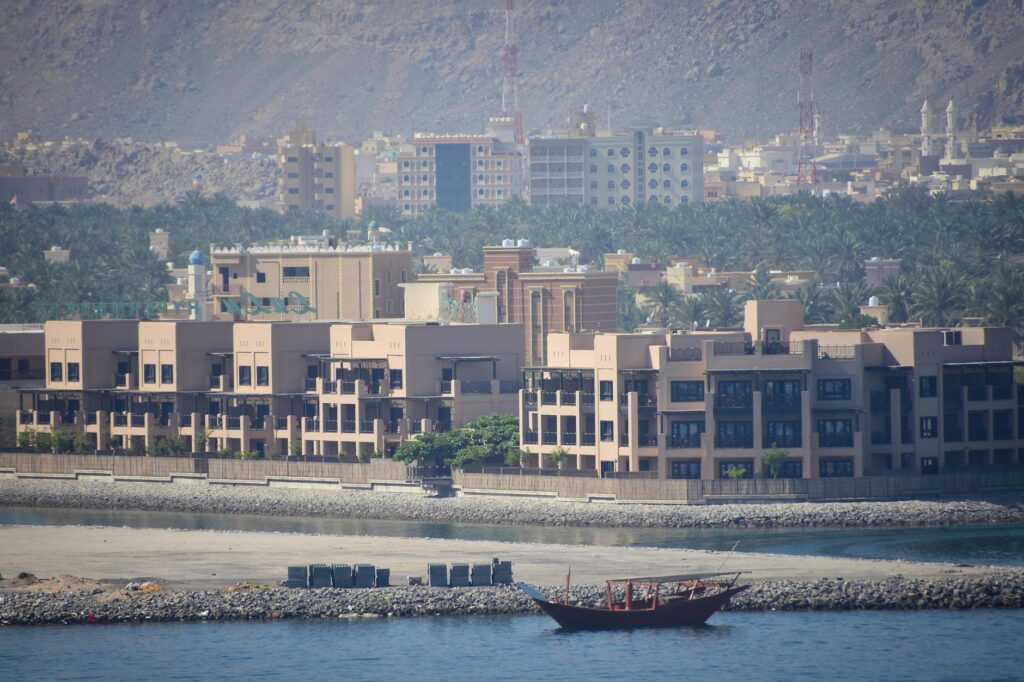
The Strait of Hormuz, a critical waterway connecting the Persian Gulf to the Arabian Sea, has become a flashpoint for escalating tensions between the United States, Iran, and other regional players. According to a recent report, U.S. warships have shot down missiles and drones aimed at ships the Navy was guiding through the Strait, highlighting the heightened state of alert in the region. The authorities in the United Arab Emirates have also blamed Iran for a drone attack, further straining relations between the two nations.
- The U.S. Navy has intercepted and destroyed multiple missiles and drones targeting ships in the Strait of Hormuz.
- The United Arab Emirates has accused Iran of launching a drone attack on its territory, exacerbating regional tensions.
- These incidents have significant implications for global oil markets and the stability of the Middle East, with potential consequences for international trade and security.

Background and Context
The Strait of Hormuz is a vital shipping lane, with approximately 20% of the world’s oil passing through it every day. The region has a long history of tensions, with the U.S. and Iran engaging in a series of proxy conflicts and diplomatic standoffs. The latest incidents have raised concerns about the potential for a larger conflict, with **oil prices** and **global trade** hanging in the balance.
Historical Tensions
The U.S. and Iran have been at odds for decades, with the 1979 Iranian Revolution marking a significant turning point in their relations. The **Iran hostage crisis**, in which American diplomats were held captive for 444 days, led to a breakdown in diplomatic relations and a lasting sense of mistrust between the two nations.
Current Developments
In recent years, the U.S. has imposed **economic sanctions** on Iran, targeting its oil exports and financial sector. Iran has responded by **increasing its military presence** in the region, including the deployment of **ballistic missiles** and **drones**. The latest attacks in the Strait of Hormuz have raised concerns about the potential for a **military escalation**, with the U.S. and its allies seeking to protect their interests and maintain stability in the region.
“The situation in the Strait of Hormuz is extremely volatile, and we are working closely with our partners to de-escalate tensions and prevent further conflict.”
— Admiral John Richardson, Former Chief of Naval Operations
Regional Implications
The latest incidents in the Strait of Hormuz have significant implications for the region, with **oil-producing nations** and **shipping companies** on high alert. The **United Arab Emirates**, **Saudi Arabia**, and **Iraq** have all expressed concerns about the potential for a larger conflict, with **Iran** and the **U.S.** engaging in a war of words over the incidents.
Oil Market Impact
The attacks in the Strait of Hormuz have already had a significant impact on **oil prices**, with **Brent crude** rising by over 10% in the wake of the incidents. The **International Energy Agency** has warned of potential **supply disruptions**, with the **global economy** potentially facing significant consequences.
of the world’s oil passes through the Strait of Hormuz every day, according to the U.S. Energy Information Administration
“The Strait of Hormuz is a critical waterway for the global oil trade, and any disruption to shipping lanes could have significant consequences for the global economy.”
— Dr. Daniel Yergin, Vice Chairman of IHS Markit
What This Means Going Forward
The latest incidents in the Strait of Hormuz have significant implications for the region and the world, with the potential for a larger conflict hanging in the balance. The **U.S.**, **Iran**, and other regional players must work to de-escalate tensions and prevent further conflict, with the **global economy** and **regional stability** hanging in the balance.
Frequently Asked Questions
Q: What is the significance of the Strait of Hormuz?
The Strait of Hormuz is a critical waterway connecting the Persian Gulf to the Arabian Sea, with approximately 20% of the world’s oil passing through it every day. The region is also a vital shipping lane for international trade, with significant implications for the global economy.
Q: What are the potential consequences of a conflict in the Strait of Hormuz?
A conflict in the Strait of Hormuz could have significant consequences for the global economy, including **supply disruptions**, **price increases**, and **trade disruptions**. The region is also home to several **oil-producing nations**, with the potential for a larger conflict to draw in other regional players.
Q: How can tensions in the Strait of Hormuz be de-escalated?
Tensions in the Strait of Hormuz can be de-escalated through **diplomatic efforts**, **confidence-building measures**, and **regional cooperation**. The **U.S.**, **Iran**, and other regional players must work together to prevent further conflict and maintain stability in the region, with the **global economy** and **regional security** hanging in the balance.
Conclusion
The latest incidents in the Strait of Hormuz have significant implications for the region and the world, with the potential for a larger conflict hanging in the balance. The **U.S.**, **Iran**, and other regional players must work to de-escalate tensions and prevent further conflict, with the **global economy** and **regional stability** hanging in the balance. As the situation continues to evolve, it is essential to remain informed and up-to-date on the latest developments, with the potential for a **military escalation** or **diplomatic breakthrough** hanging in the balance.
The situation in the Strait of Hormuz is complex and multifaceted, with significant implications for the **global oil trade**, **regional security**, and **international relations**. As the world watches with bated breath, it is essential to consider the potential consequences of a conflict in the region, with the **global economy** and **regional stability** hanging in the balance.
In conclusion, the latest incidents in the Strait of Hormuz have significant implications for the region and the world, with the potential for a larger conflict hanging in the balance. The **U.S.**, **Iran**, and other regional players must work to de-escalate tensions and prevent further conflict, with the **global economy** and **regional stability** hanging in the balance.
📚 Sources & References
- rss.nytimes.com — Original report — May 5, 2026
- U.S. Energy Information Administration — Strait of Hormuz — May 5, 2026
- IHS Markit — Energy and Natural Resources — May 5, 2026


Leave a Comment