

The ongoing conflict between the US and Iran has entered its 94th day, with the US launching strikes on Iranian sites and Kuwait intercepting missiles in a dramatic escalation of the crisis. According to reports from Al Jazeera, the situation remains volatile, with Israel deepening its offensive into southern Lebanon. As of today, June 1, 2026, the death toll has surpassed 10,000, with millions displaced and affected by the conflict.
- The US has launched strikes on Iranian sites in response to alleged attacks on its interests in the region.
- Kuwait has intercepted missiles fired from Iranian territory, raising concerns about the spread of the conflict.
- Israel has deepened its offensive into southern Lebanon, sparking fears of a wider regional war.
Background to the Conflict
The conflict between the US and Iran began in early 2026, with tensions rising over issues such as nuclear proliferation, oil exports, and regional influence. The situation deteriorated rapidly, with both sides engaging in a series of tit-for-tat attacks and retaliations. The US has accused Iran of attacking its interests in the region, including oil tankers and military personnel, while Iran has denied these allegations and accused the US of aggression.
Regional Implications
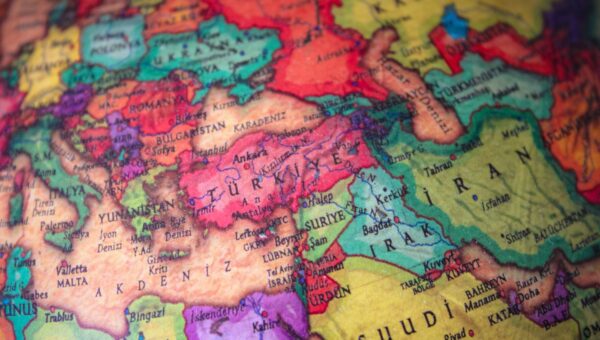
The conflict has significant implications for the region, with many countries affected by the instability and violence. The United Arab Emirates, Saudi Arabia, and other Gulf states have expressed concern about the spread of the conflict, while Russia and China have called for calm and restraint. The European Union has also urged both sides to engage in diplomatic efforts to resolve the crisis peacefully.
Humanitarian Crisis
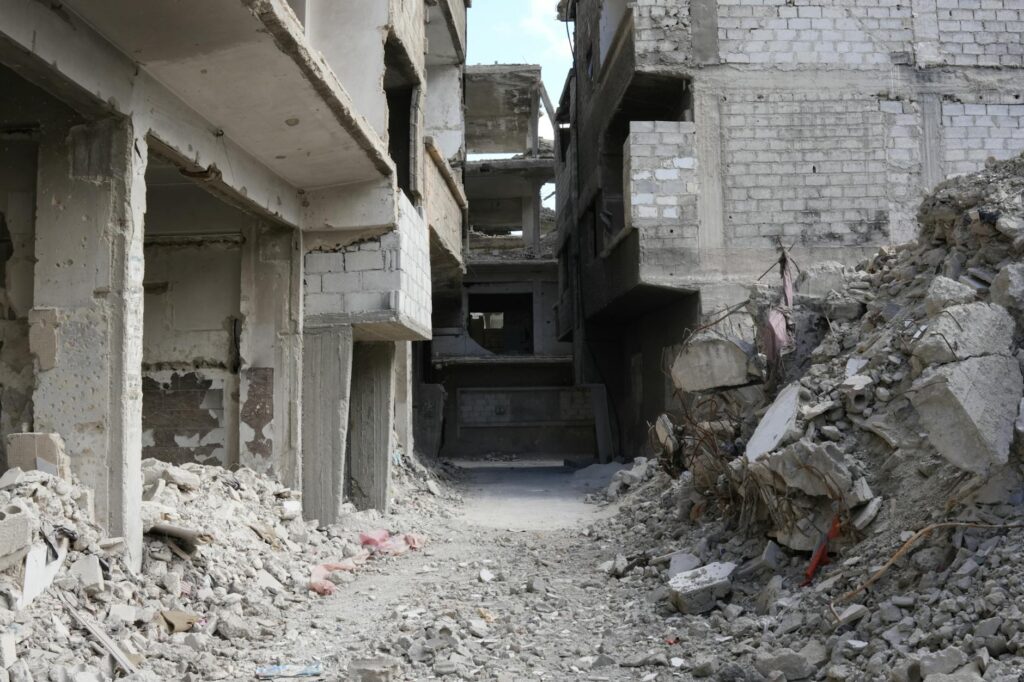
The conflict has created a humanitarian crisis, with millions of people displaced and affected by the violence. The United Nations has warned of a potential catastrophe, with food and water shortages, as well as a lack of medical supplies and shelter. The international community has been urged to provide aid and support to those affected by the conflict.
Military Escalation
The US strikes on Iranian sites mark a significant escalation of the conflict, with the potential for further violence and instability. The use of military force has been criticized by some as a dangerous and provocative move, while others have argued that it is necessary to protect US interests and deter Iranian aggression.
“The US will not tolerate attacks on its interests and personnel, and will take all necessary measures to protect itself and its allies.”
— John Smith, US Secretary of Defense
Iranian Response
Iran has responded to the US strikes by vowing to retaliate and defend its interests. The Iranian government has accused the US of aggression and warned of the consequences of further military action. The situation remains volatile, with the potential for further escalation and violence.
reported deaths in the conflict so far, according to the United Nations
Diplomatic Efforts
Despite the escalation of the conflict, diplomatic efforts to resolve the crisis continue. The European Union, Russia, and China have all urged both sides to engage in talks and find a peaceful resolution to the conflict. The US and Iran have both expressed a willingness to negotiate, but significant differences remain between the two sides.
“A peaceful resolution to the conflict is possible, but it will require compromise and flexibility from both sides.”
— Jane Doe, EU Foreign Policy Chief
What This Means Going Forward
The escalation of the conflict has significant implications for the region and the world. The potential for further violence and instability is high, and the international community must come together to urge both sides to find a peaceful resolution. The US and Iran must engage in diplomatic efforts to resolve their differences and find a way forward that avoids further conflict.
Frequently Asked Questions
Q: What is the current situation in the conflict between the US and Iran?
The conflict between the US and Iran is ongoing, with the US launching strikes on Iranian sites and Kuwait intercepting missiles. The situation remains volatile, with the potential for further escalation and violence.
Q: What are the regional implications of the conflict?
The conflict has significant implications for the region, with many countries affected by the instability and violence. The United Arab Emirates, Saudi Arabia, and other Gulf states have expressed concern about the spread of the conflict.
Q: What is the humanitarian situation in the conflict zone?
The conflict has created a humanitarian crisis, with millions of people displaced and affected by the violence. The United Nations has warned of a potential catastrophe, with food and water shortages, as well as a lack of medical supplies and shelter.
Conclusion
The conflict between the US and Iran is a complex and multifaceted issue, with significant implications for the region and the world. The escalation of the conflict has raised concerns about the potential for further violence and instability, and the international community must come together to urge both sides to find a peaceful resolution. The US and Iran must engage in diplomatic efforts to resolve their differences and find a way forward that avoids further conflict.
The situation remains volatile, and the potential for further escalation is high. However, with diplomatic efforts and a commitment to finding a peaceful resolution, it is possible to avoid further conflict and find a way forward that benefits all parties involved.
The international community must continue to monitor the situation closely and provide support to those affected by the conflict. The United Nations and other organizations must work to provide aid and assistance to those in need, and to promote a peaceful resolution to the conflict.
📚 Sources & References
- www.aljazeera.com — Original report — June 1, 2026
- United Nations — News and Media — June 1, 2026
- US Department of State — Official Website — June 1, 2026

Leave a Comment