

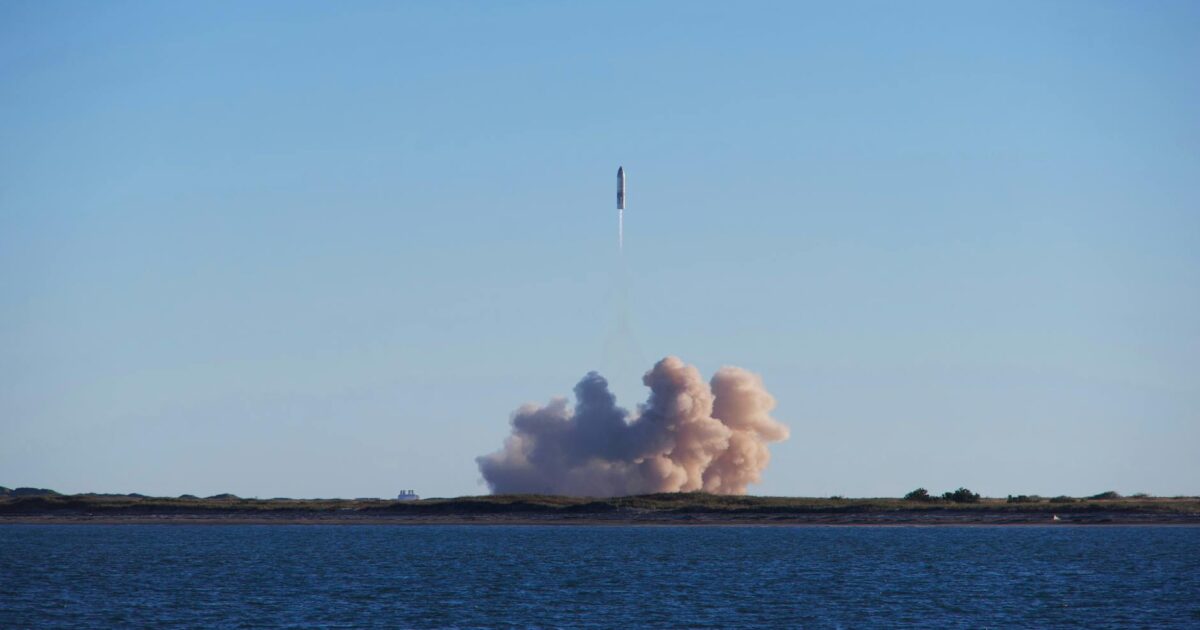
The United States military has carried out a series of strikes against Iranian military targets in southern Iran, marking a significant escalation in tensions between the two nations. According to reports, the US intercepted an Iranian missile attack on American forces in Kuwait over the weekend. The situation is rapidly unfolding, with both sides exchanging blows and rhetoric.
- The US military has launched strikes against Iranian military targets in southern Iran.
- An Iranian missile attack on American forces in Kuwait was intercepted by the US.
- Tensions between the US and Iran have escalated significantly in recent days.
Background and Context
The current situation is a culmination of months of rising tensions between the US and Iran. The two nations have been at odds over a range of issues, including Iran’s nuclear program and its support for militant groups in the region. The US has imposed strict sanctions on Iran, which have had a devastating impact on the country’s economy. Iran, in turn, has responded with a series of provocative actions, including the seizure of oil tankers and the downing of a US drone.
US Strategy and Objectives
The US has stated that its objective is to deter Iranian aggression and protect American interests in the region. The US has deployed thousands of troops to the Middle East in recent months, and has also sent a number of warships to the region. The US has also imposed sanctions on a number of Iranian officials and entities, in an effort to pressure the Iranian government to change its behavior.
Iranian Response and Retaliation
Iran has responded to the US strikes with a mixture of defiance and restraint. The Iranian government has vowed to retaliate against the US, but has also sought to avoid a full-scale conflict. Iran has launched a number of missile attacks against US forces in the region, but has also sought to target US allies and interests. The situation is highly volatile, and there is a risk of further escalation in the coming days.
Military Operations and Tactics
The US military has employed a range of tactics and strategies in its operations against Iranian targets. The US has used a combination of air and missile strikes, as well as special operations forces, to attack Iranian military targets. The US has also sought to disrupt Iranian command and control systems, in an effort to limit the Iranian military’s ability to respond effectively.
Iranian Military Capabilities
The Iranian military has a range of capabilities, including ballistic missiles, drones, and special operations forces. Iran has also developed a number of advanced military systems, including anti-ship missiles and air defense systems. The Iranian military has been able to inflict significant damage on US and allied forces in the past, and is likely to continue to pose a significant threat in the future.
“The US will continue to take all necessary steps to protect our people and our interests in the region.”
— General Mark Milley, Chairman of the Joint Chiefs of Staff
of Americans believe that the US should take a tough stance against Iran, according to a recent poll by the Pew Research Center.

What This Means Going Forward
The current situation has significant implications for the future of the Middle East and the global economy. The conflict between the US and Iran has the potential to disrupt oil supplies and drive up prices, which could have a devastating impact on the global economy. The situation also has significant implications for regional stability, and could lead to a wider conflict involving other nations in the region.
Frequently Asked Questions
Q: What are the main issues driving the conflict between the US and Iran?
The main issues driving the conflict between the US and Iran include Iran’s nuclear program, its support for militant groups in the region, and the imposition of US sanctions on the Iranian economy. The US has also been critical of Iran’s human rights record and its support for terrorism.
Q: How has the Iranian government responded to the US strikes?
The Iranian government has responded to the US strikes with a mixture of defiance and restraint. Iran has vowed to retaliate against the US, but has also sought to avoid a full-scale conflict. Iran has launched a number of missile attacks against US forces in the region, but has also sought to target US allies and interests.
Q: What are the potential implications of the conflict for the global economy?
The conflict between the US and Iran has the potential to disrupt oil supplies and drive up prices, which could have a devastating impact on the global economy. The situation also has significant implications for regional stability, and could lead to a wider conflict involving other nations in the region.
Conclusion
The current situation between the US and Iran is highly volatile and has significant implications for the future of the Middle East and the global economy. The US has launched a series of strikes against Iranian military targets, and Iran has responded with a mixture of defiance and restraint. The situation has the potential to escalate further, and could lead to a wider conflict involving other nations in the region.
“The international community must come together to address the root causes of the conflict and work towards a peaceful resolution.”
— António Guterres, Secretary-General of the United Nations
The US and Iran must work towards a peaceful resolution to the conflict, and the international community must come together to support this effort. The situation is highly complex and multifaceted, and will require a sustained and coordinated effort to resolve.


Leave a Comment