

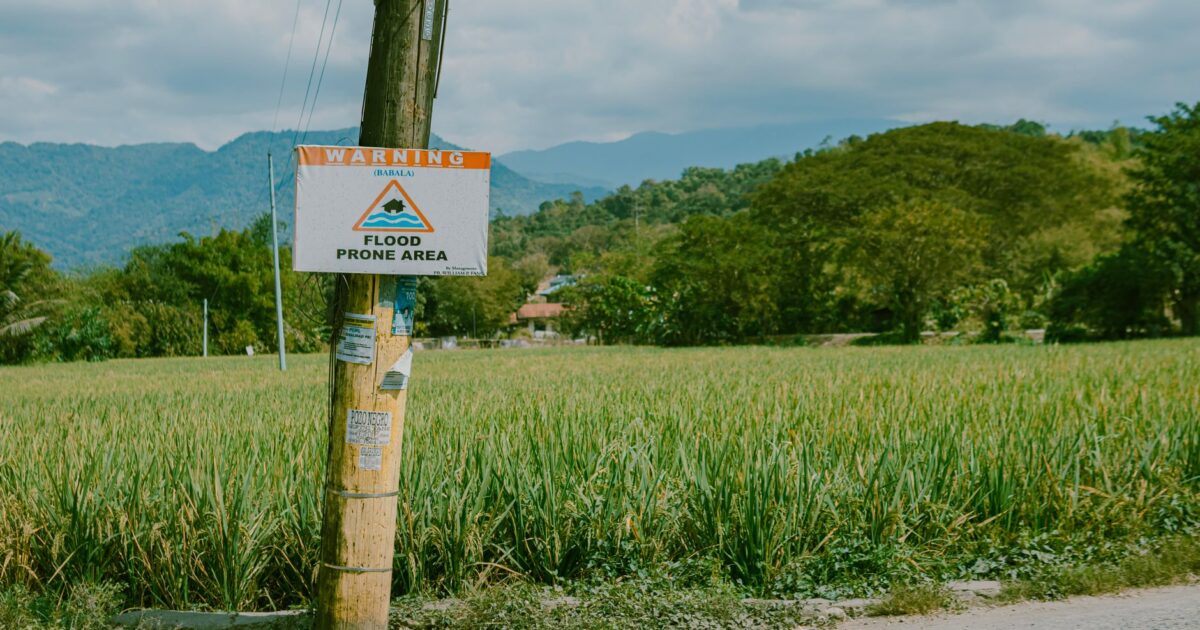
The National Oceanic and Atmospheric Administration (NOAA) has issued an El Nino advisory, warning of the potential for severe weather conditions, including intense floods and heat waves, which are already being exacerbated by climate change. According to recent data, the past decade has seen a 20% increase in extreme weather events globally. As Dr. Jane Lubchenco, former Administrator of NOAA, notes, “Climate change is no longer a distant threat, but a harsh reality that we’re living with today.”
- The NOAA has issued an El Nino advisory, warning of potential severe weather conditions.
- El Nino is expected to worsen floods and heat waves already intensifying due to climate change.
- However, it may also lead to a decrease in the number of hurricanes in the Atlantic.

Understanding El Nino and its Impacts
El Nino is a complex weather pattern that occurs when the surface temperature of the Pacific Ocean warms up more than usual, leading to changes in atmospheric circulation. This, in turn, can cause extreme weather events such as floods, droughts, and heat waves. According to Dr. Kevin Trenberth, a climate scientist at the National Center for Atmospheric Research, “El Nino is a natural climate pattern, but its impacts are being amplified by climate change, making it a major concern for communities around the world.”
Climate Change and Extreme Weather
Climate change is playing a significant role in the increasing frequency and severity of extreme weather events. Rising global temperatures are leading to more intense heat waves, while changes in precipitation patterns are causing more frequent and severe floods. As noted by the Intergovernmental Panel on Climate Change (IPCC), “It is extremely likely that human activities, especially the emission of greenhouse gases from burning fossil fuels, are the dominant cause of the observed warming since the mid-20th century.”
Regional Impacts of El Nino
The impacts of El Nino will vary by region, with some areas experiencing more severe weather conditions than others. In the United States, the southern states are expected to experience more frequent and severe floods, while the western states may see an increase in drought conditions. According to Dr. Marshall Shepherd, a climate scientist at the University of Georgia, “The southeastern United States is particularly vulnerable to the impacts of El Nino, with increased risk of flooding and tornadoes.”
“El Nino is a significant threat to global food security, as it can lead to crop failures and reduced agricultural productivity. It’s essential that we take proactive steps to mitigate its impacts and support affected communities.”
— Dr. Catherine Woteki, Former Under Secretary for Research, Education, and Economics at the US Department of Agriculture
of the world’s population lives in areas that are highly vulnerable to the impacts of El Nino, according to the United Nations Office for Disaster Risk Reduction.

What This Means Going Forward
The NOAA’s El Nino advisory serves as a reminder of the urgent need for climate action. As the world continues to experience more frequent and severe extreme weather events, it’s essential that governments, businesses, and individuals take proactive steps to reduce greenhouse gas emissions and mitigate the impacts of climate change. According to Dr. Katharine Hayhoe, a climate scientist at Texas Tech University, “The good news is that there are many actions we can take to reduce our risk and vulnerability to climate change, from transitioning to renewable energy sources to improving our disaster preparedness and response.”
Frequently Asked Questions
Q: What is El Nino, and how does it affect the weather?
El Nino is a complex weather pattern that occurs when the surface temperature of the Pacific Ocean warms up more than usual, leading to changes in atmospheric circulation. This can cause extreme weather events such as floods, droughts, and heat waves.
Q: How does climate change amplify the impacts of El Nino?
Climate change is playing a significant role in the increasing frequency and severity of extreme weather events. Rising global temperatures are leading to more intense heat waves, while changes in precipitation patterns are causing more frequent and severe floods.
Q: What can individuals and communities do to prepare for and respond to El Nino-related weather events?
Individuals and communities can take proactive steps to prepare for and respond to El Nino-related weather events, such as creating emergency plans, stocking up on supplies, and staying informed about weather forecasts and warnings.
Conclusion
The NOAA’s El Nino advisory serves as a stark reminder of the urgent need for climate action. As the world continues to experience more frequent and severe extreme weather events, it’s essential that we take proactive steps to reduce greenhouse gas emissions and mitigate the impacts of climate change. According to Dr. James Hansen, a climate scientist at Columbia University, “The window for action is rapidly closing, but there is still time to avoid the most catastrophic consequences of climate change. We must work together to reduce our carbon footprint and create a more sustainable future for all.”
“The science is clear: human activities are causing the Earth’s temperature to rise, and the consequences are far-reaching. It’s time for us to take responsibility for our actions and work towards a more sustainable future.”
— Dr. Michael Mann, Director of the Earth System Science Center at Penn State University
The El Nino advisory also highlights the importance of international cooperation and global climate governance. As the world’s nations come together to address the challenges of climate change, it’s essential that we prioritize climate resilience and sustainable development. By working together, we can reduce the risks associated with El Nino and create a more equitable and sustainable future for all.



Leave a Comment