


The ongoing conflict in Iran has sent shockwaves around the globe, and one of the most affected industries is tourism. Southeast Asian resort towns, once a haven for European travelers, are now struggling to stay afloat. According to a recent report, the number of European tourists visiting Cambodia, Thailand, and Indonesia has plummeted by 30% since the start of the Iran war. This drastic decline has left many local businesses on the brink of collapse.
- The Iran war has led to a significant increase in airfares, making it difficult for European tourists to travel to Southeast Asia.
- Disruptions to Middle Eastern travel hubs have further exacerbated the problem, causing many flights to be cancelled or rerouted.
- The decline in tourism has had a devastating impact on local economies, with many businesses forced to close or significantly reduce their staff.
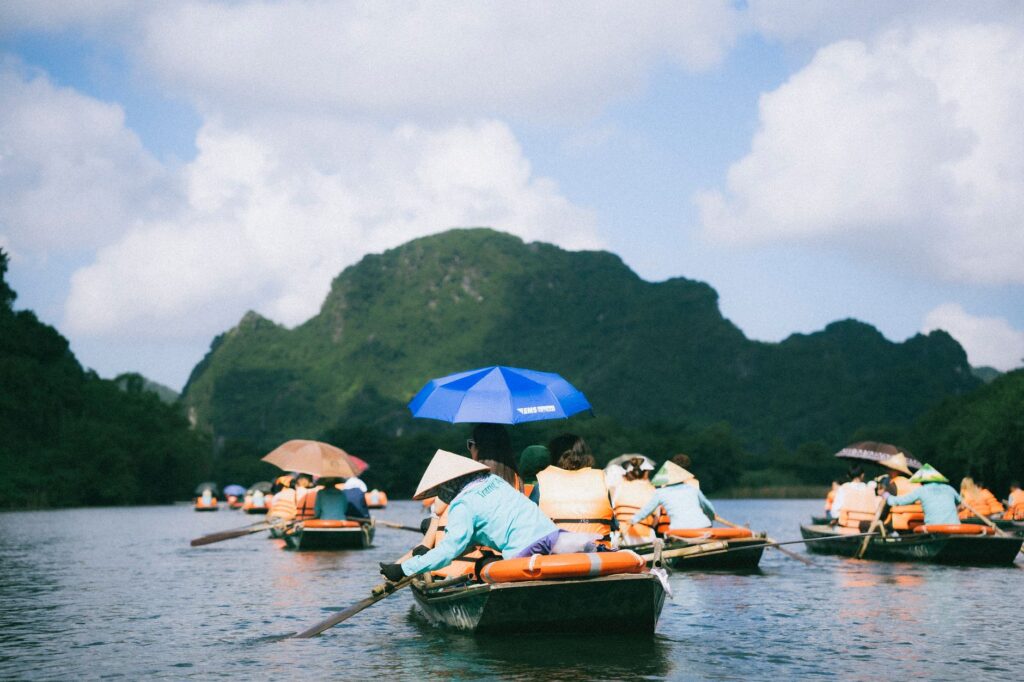
The Impact of the Iran War on Southeast Asian Tourism
The Iran war has had a profound impact on the tourism industry in Southeast Asia. The conflict has led to a significant increase in airfares, making it difficult for European tourists to travel to the region. According to a report by the International Air Transport Association (IATA), airfares have increased by an average of 25% since the start of the war. This has made it challenging for many tourists to afford the cost of travel, leading to a decline in bookings.
Disruptions to Middle Eastern Travel Hubs
The disruptions to Middle Eastern travel hubs have further exacerbated the problem. Many flights have been cancelled or rerouted, causing chaos for travelers. The Dubai International Airport, a major hub for travel to Southeast Asia, has been particularly affected. According to a statement by the airport’s CEO, Paul Griffiths, “The conflict in Iran has led to a significant increase in flight cancellations and delays. This has had a ripple effect on the entire region, causing disruptions to travel plans and impacting local businesses.”
“The Iran war has been a disaster for our business. We have seen a significant decline in bookings, and many of our staff have been forced to take unpaid leave. We are doing everything we can to stay afloat, but it’s getting increasingly difficult.”
— Sokha Chan, Owner of a hotel in Siem Reap, Cambodia
The Economic Impact of the Decline in Tourism
The decline in tourism has had a devastating impact on local economies. Many businesses, from hotels and restaurants to tour operators and souvenir shops, rely heavily on tourism to survive. According to a report by the World Tourism Organization (UNWTO), the tourism industry accounts for approximately 10% of the GDP in Cambodia, 12% in Thailand, and 15% in Indonesia. The decline in tourism has led to a significant loss of revenue, forcing many businesses to close or significantly reduce their staff.
decline in European tourists visiting Cambodia, Thailand, and Indonesia since the start of the Iran war, according to a recent report by the European Travel Commission
Supporting Local Businesses
Many local businesses are calling on governments to provide support to help them stay afloat. According to a statement by the Thai Hotel Association, “The government needs to take immediate action to support the tourism industry. This includes providing financial assistance to businesses, as well as implementing measures to reduce the impact of the Iran war on travel.”
“We understand the challenges faced by the tourism industry, and we are committed to providing support. We are working closely with local businesses to develop strategies to mitigate the impact of the Iran war and promote tourism in the region.”
— Pichet Durongkaveroj, Minister of Tourism and Sports, Thailand
What This Means Going Forward
The decline in tourism in Southeast Asia is likely to have long-term implications for the region. Many businesses may be forced to close permanently, leading to a loss of jobs and revenue. However, there are also opportunities for growth and development. According to a report by the Asian Development Bank, the region has the potential to diversify its economy and attract new tourists from other parts of the world.
Frequently Asked Questions
Q: How has the Iran war affected airfares to Southeast Asia?
The Iran war has led to a significant increase in airfares, making it difficult for European tourists to travel to the region. According to a report by the IATA, airfares have increased by an average of 25% since the start of the war.
Q: What support is being provided to local businesses affected by the decline in tourism?
Many governments are providing support to local businesses, including financial assistance and measures to reduce the impact of the Iran war on travel. According to a statement by the Thai Hotel Association, the government is working closely with local businesses to develop strategies to mitigate the impact of the Iran war and promote tourism in the region.
Q: What are the long-term implications of the decline in tourism in Southeast Asia?
The decline in tourism is likely to have long-term implications for the region, including a loss of jobs and revenue. However, there are also opportunities for growth and development, including the potential to diversify the economy and attract new tourists from other parts of the world.
Conclusion
The decline in tourism in Southeast Asia is a complex issue, with many factors contributing to the problem. The Iran war has had a significant impact on the region, leading to a decline in bookings and a loss of revenue for local businesses. However, there are also opportunities for growth and development, and many governments and businesses are working together to support the tourism industry. According to a statement by the UNWTO, “The tourism industry is a vital part of the global economy, and it is essential that we work together to support its growth and development.”
The future of tourism in Southeast Asia is uncertain, but one thing is clear: the region has the potential to recover and thrive. With the right support and strategies, local businesses can adapt to the changing landscape and attract new tourists from around the world. As the region looks to the future, it is essential that governments, businesses, and tourists work together to promote sustainable tourism practices and support the local economy.
In the meantime, many local businesses are calling on tourists to visit the region and support the local economy. According to a statement by the Indonesian Tourism Board, “We welcome all tourists to visit Indonesia and experience the beauty and diversity of our country. By supporting local businesses, you can help to make a positive impact on the local economy and contribute to the growth and development of the region.”
📚 Sources & References
- rss.nytimes.com — Original report — July 28, 2026
- International Air Transport Association — Airfare report — July 2026
- World Tourism Organization — Tourism and COVID-19 report — July 2026


Leave a Comment