

The conflict in Lebanon between Israel and the Iranian-backed militant group Hezbollah has taken a dramatic turn, with President Trump calling for restraint after Israel launched airstrikes on Beirut suburbs, killing at least 12 people and injuring over 50. The situation is further complicated by the ongoing efforts to finalize a ceasefire agreement with Tehran. According to a recent report by the United Nations, the conflict has already displaced over 10,000 people in the region.
- Israel launched airstrikes on Beirut suburbs, killing at least 12 people and injuring over 50
- President Trump called for restraint, urging all sides to stand down
- The conflict complicates efforts to finalize a ceasefire agreement with Tehran
Background and Context
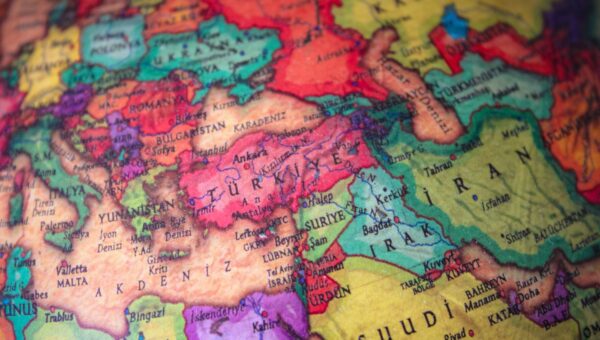
The conflict between Israel and Hezbollah has been ongoing for years, with both sides engaging in periodic skirmishes and exchanges of fire. However, the recent escalation has raised concerns about the potential for a wider conflict. Hezbollah, a Shia Islamist militant group, has been a key player in the conflict, with Iran providing significant financial and military support.
Historical Context
The conflict between Israel and Hezbollah dates back to the 1980s, when Israel invaded Lebanon in an attempt to drive out Palestinian militants. Since then, the two sides have engaged in numerous conflicts, including the 2006 Lebanon War. The conflict has also been influenced by the broader regional dynamics, including the Syrian Civil War and the Iran-Israel proxy conflict.
International Response
The international community has been quick to respond to the escalating conflict, with many countries calling for restraint and a return to diplomacy. The United Nations Security Council has held an emergency meeting to discuss the situation, and the European Union has issued a statement urging all sides to avoid further escalation.
“We urge all parties to exercise restraint and to avoid any actions that could further escalate the situation. We are deeply concerned about the humanitarian consequences of the conflict and call on all sides to respect international humanitarian law.”
— Josep Borrell, EU High Representative for Foreign Affairs and Security Policy
Current Situation and Implications
The current situation on the ground is complex and fluid, with both sides engaging in exchanges of fire and airstrikes. The Israeli military has reported that it has targeted several Hezbollah positions in Lebanon, while Hezbollah has claimed to have launched rockets into Israel. The conflict has also had significant humanitarian implications, with many civilians caught in the crossfire.
HUMANITARIAN CRISIS
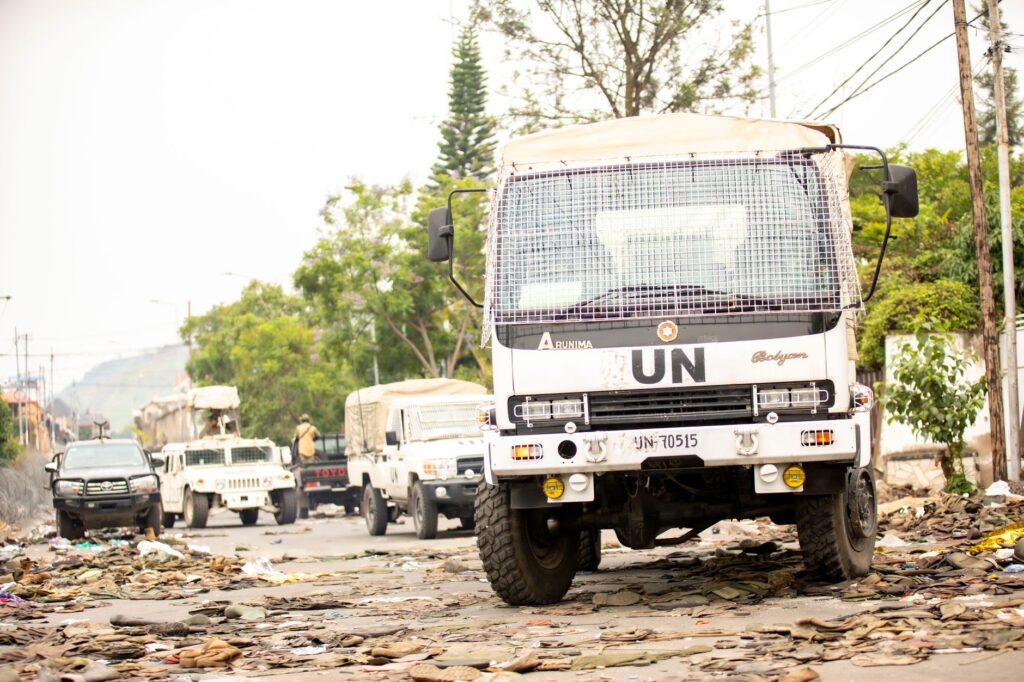
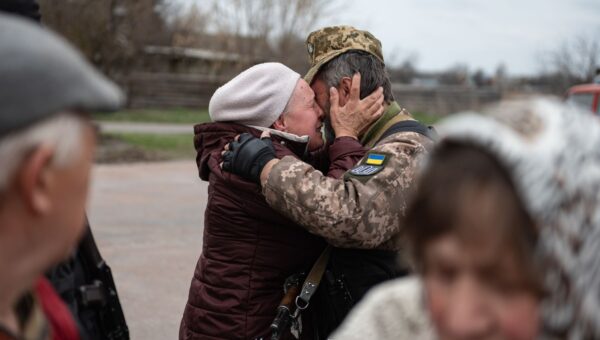
The conflict has already led to a significant humanitarian crisis, with many people displaced and in need of assistance. The United Nations has reported that over 10,000 people have been displaced in the region, and many more are in need of food, shelter, and medical assistance.
people displaced in the region, according to the United Nations
“The humanitarian situation in Lebanon is dire, and we are working to provide assistance to those in need. We urge all parties to respect international humanitarian law and to avoid targeting civilians.”
— António Guterres, UN Secretary-General
What This Means Going Forward
The current conflict has significant implications for the region and the world. The escalation of violence between Israel and Hezbollah has raised concerns about the potential for a wider conflict, and the international community is working to broker a ceasefire. However, the situation remains complex and unpredictable, and it is unclear what the future holds.
Frequently Asked Questions
Q: What is the current situation on the ground in Lebanon?
The current situation on the ground in Lebanon is complex and fluid, with both sides engaging in exchanges of fire and airstrikes. The Israeli military has reported that it has targeted several Hezbollah positions in Lebanon, while Hezbollah has claimed to have launched rockets into Israel.
Q: What are the humanitarian implications of the conflict?
The conflict has already led to a significant humanitarian crisis, with many people displaced and in need of assistance. The United Nations has reported that over 10,000 people have been displaced in the region, and many more are in need of food, shelter, and medical assistance.
Q: What is the international community doing to respond to the conflict?
The international community is working to broker a ceasefire and to provide humanitarian assistance to those in need. The United Nations Security Council has held an emergency meeting to discuss the situation, and the European Union has issued a statement urging all sides to avoid further escalation.
Conclusion
The conflict between Israel and Hezbollah is complex and multifaceted, with significant implications for the region and the world. The international community is working to broker a ceasefire and to provide humanitarian assistance to those in need. However, the situation remains unpredictable, and it is unclear what the future holds. As the situation continues to evolve, it is essential to stay informed and to support efforts to promote peace and stability in the region.
The conflict has also highlighted the need for a comprehensive and sustainable solution to the Israeli-Palestinian conflict, which is a key factor in the broader regional dynamics. The international community must work together to support a negotiated settlement that addresses the legitimate concerns of all parties and promotes a lasting peace.
In the meantime, it is essential to support the humanitarian efforts and to provide assistance to those in need. The conflict has already led to a significant humanitarian crisis, and it is essential to address the needs of the affected populations.
📚 Sources & References
- rss.nytimes.com — Original report — June 14, 2026
- United Nations Security Council — Press Release — June 14, 2026
- European Union — Statement on the situation in Lebanon — June 14, 2026

Leave a Comment