

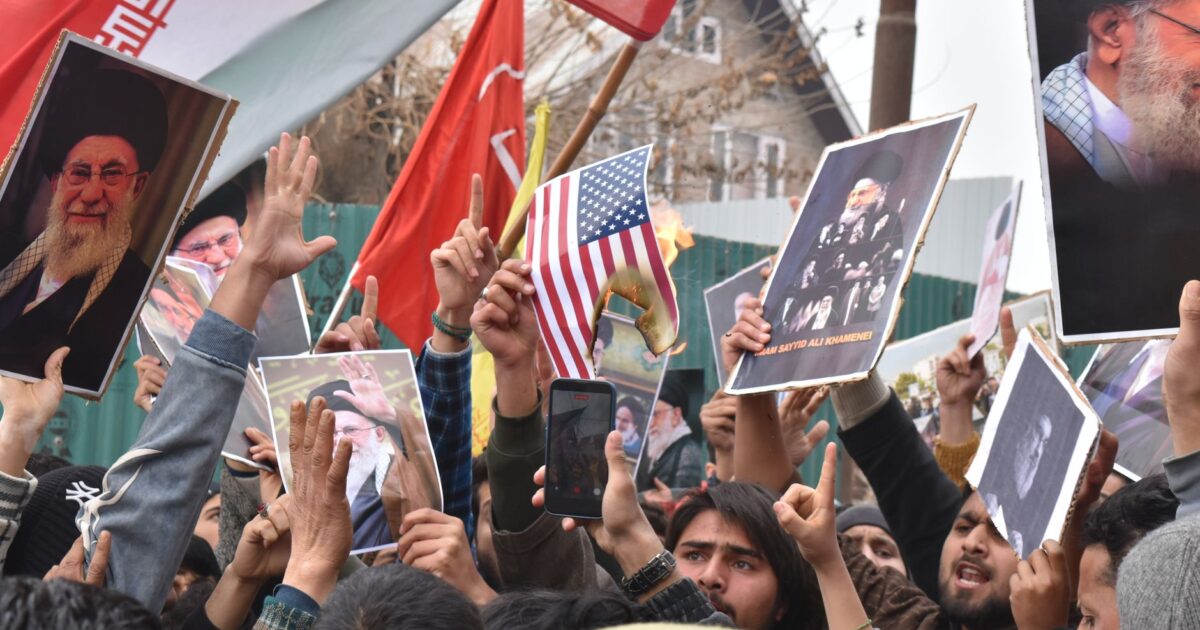
In a surprising turn of events, President Trump announced that the United States and Iran are set to engage in new talks, scheduled to take place on Tuesday, June 30, 2026, in Qatar. This development comes on the heels of a tumultuous weekend, which saw the two nations exchange strikes. According to reports from the New York Times, Iran has not confirmed the talks but acknowledged that consultations with Qatar are ongoing. The situation has left many wondering about the future of US-Iran relations and the potential for a peaceful resolution.
- The US and Iran are scheduled to hold new talks in Qatar on June 30, 2026, following a weekend of exchanged strikes.
- President Trump announced the talks, while Iran has not confirmed but stated that consultations with Qatar are continuing.
- The situation highlights the ongoing tensions between the US and Iran, with the potential for a peaceful resolution hanging in the balance.
Background on US-Iran Tensions
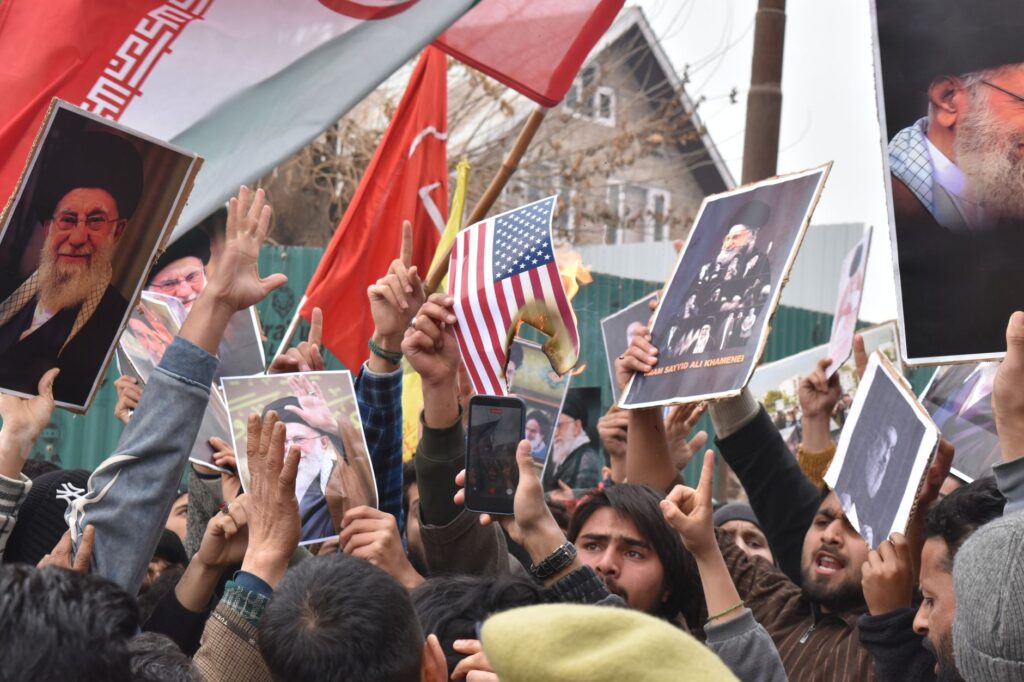
The tensions between the US and Iran have been escalating for some time, with the two nations engaging in a series of tit-for-tat exchanges. The situation has been further complicated by the presence of other regional actors, including Qatar, which has been working to facilitate diplomatic efforts. According to Dr. Sanam Vakil, Deputy Director of the Middle East and North Africa Programme at Chatham House, “The US and Iran have been locked in a cycle of escalation, with neither side willing to back down. The talks in Qatar represent a potential opportunity for de-escalation, but it remains to be seen whether they will be successful.”
Historical Context
The US and Iran have a long and complex history, with tensions between the two nations dating back to the 1979 Iranian Revolution. Since then, the US has imposed numerous sanctions on Iran, citing concerns over the country’s nuclear program and human rights record. Iran, in turn, has accused the US of meddling in its internal affairs and supporting its regional enemies. The situation has been further complicated by the presence of other regional actors, including Israel and Saudi Arabia, which have their own interests and agendas in the region.
Regional Implications
The tensions between the US and Iran have significant implications for the wider region. According to a report by the International Crisis Group, the conflict has the potential to draw in other regional actors, including Turkey and the Gulf states. The report notes that “the conflict between the US and Iran has the potential to destabilize the entire region, with potentially catastrophic consequences.”
“The situation between the US and Iran is highly volatile, and the potential for miscalculation is high. It is essential that both sides exercise restraint and work towards a peaceful resolution.”
— Dr. Sanam Vakil, Deputy Director of the Middle East and North Africa Programme at Chatham House
Current Developments
The announcement of new talks between the US and Iran has been met with a mixture of optimism and skepticism. While some have hailed the development as a positive step towards de-escalation, others have expressed concerns about the potential for the talks to break down. According to a report by the BBC, the talks will focus on a range of issues, including Iran’s nuclear program and the presence of US troops in the region.
Iran’s Position
Iran has not confirmed the talks, but has acknowledged that consultations with Qatar are ongoing. According to Iranian Foreign Minister Mohammad Javad Zarif, “We are willing to engage in diplomatic efforts to resolve our differences with the US, but we will not compromise on our core interests.” Zarif also noted that “the US must take concrete steps to demonstrate its commitment to diplomacy, including the lifting of sanctions and the withdrawal of its troops from the region.”
“We are committed to finding a peaceful resolution to the conflict, but we will not be bullied or intimidated by the US. We will defend our interests and our sovereignty at all costs.”
— Mohammad Javad Zarif, Iranian Foreign Minister
of Iranians believe that the US is responsible for the current tensions between the two nations, according to a survey by the Iranian Students’ Polling Agency (Source: Iranian Students’ Polling Agency, June 2026)

What This Means Going Forward
The scheduled talks between the US and Iran represent a potential opportunity for de-escalation, but the situation remains highly volatile. According to Dr. Trita Parsi, Executive Vice President of the Quincy Institute for Responsible Statecraft, “The talks in Qatar are a positive step, but they are only the beginning. The US and Iran must work towards a comprehensive agreement that addresses the core issues between them, including Iran’s nuclear program and the presence of US troops in the region.”
Frequently Asked Questions
Q: What are the main issues that will be discussed during the talks between the US and Iran?
The talks will focus on a range of issues, including Iran’s nuclear program, the presence of US troops in the region, and the lifting of sanctions. The US has also expressed concerns about Iran’s human rights record and its support for militant groups in the region.
Q: What is the role of Qatar in the talks between the US and Iran?
Qatar has been working to facilitate diplomatic efforts between the US and Iran, and has hosted several rounds of talks between the two nations. The country’s emir, Sheikh Tamim bin Hamad Al Thani, has also played a key role in mediating between the two sides.
Q: What are the potential consequences of the talks breaking down?
If the talks between the US and Iran break down, the situation could escalate further, with potentially catastrophic consequences for the region. The conflict could draw in other regional actors, including Turkey and the Gulf states, and could lead to a wider war.
Conclusion
The scheduled talks between the US and Iran represent a potential opportunity for de-escalation, but the situation remains highly volatile. The US and Iran must work towards a comprehensive agreement that addresses the core issues between them, including Iran’s nuclear program and the presence of US troops in the region. According to Dr. Sanam Vakil, “The talks in Qatar are a positive step, but they are only the beginning. The US and Iran must be willing to compromise and work towards a peaceful resolution.”
The situation highlights the ongoing tensions between the US and Iran, and the potential for a peaceful resolution hanging in the balance. As the talks get underway, the international community will be watching closely, hoping for a positive outcome. According to Mohammad Javad Zarif, “We are committed to finding a peaceful resolution to the conflict, but we will not be bullied or intimidated by the US. We will defend our interests and our sovereignty at all costs.”
The future of US-Iran relations remains uncertain, but one thing is clear: the situation requires a diplomatic solution. The US and Iran must work towards a comprehensive agreement that addresses the core issues between them, and the international community must support these efforts. According to Dr. Trita Parsi, “The talks in Qatar are a positive step, but they are only the beginning. The US and Iran must work towards a comprehensive agreement that addresses the core issues between them, including Iran’s nuclear program and the presence of US troops in the region.”
📚 Sources & References
- rss.nytimes.com — Original report — June 29, 2026
- BBC News — US-Iran tensions: A timeline of events — June 29, 2026
- Al Jazeera — US-Iran tensions: What you need to know — June 29, 2026



Leave a Comment