

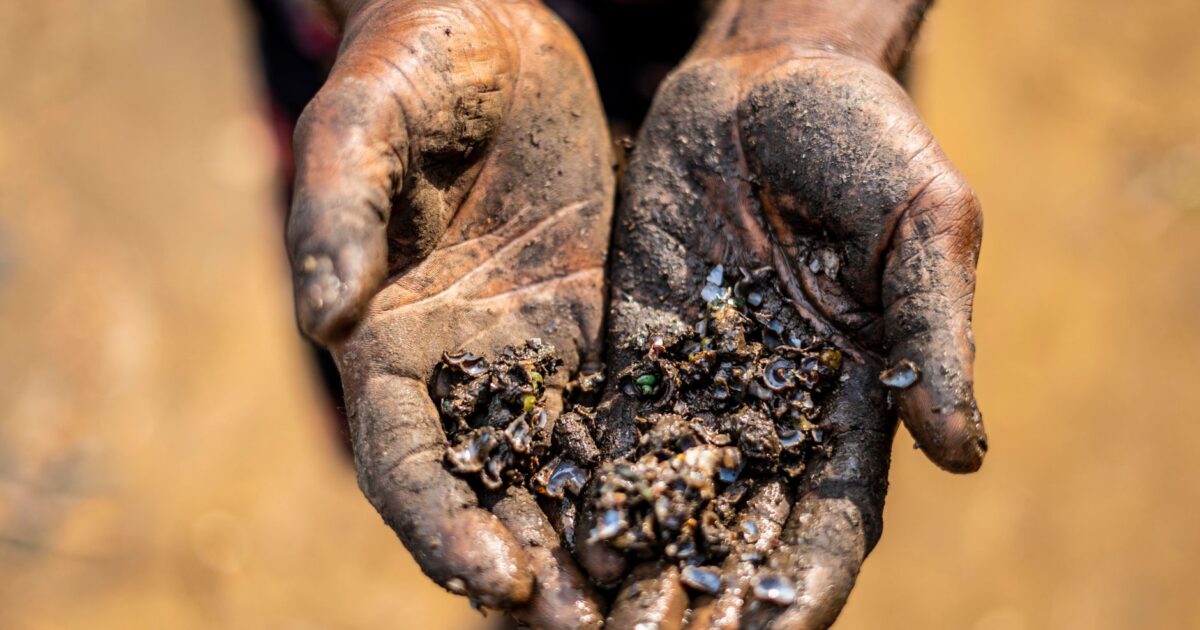
In a bold move to reclaim its economic destiny, Africa is undergoing a significant shift in how it manages its vast mineral resources. With countries like Kenya, Ghana, and Mali insisting that their minerals be processed locally before export, the continent is poised to reap the benefits of its rich geological heritage. According to a report by the African Development Bank, the continent loses up to $63 billion annually due to the export of unprocessed minerals.
- African countries are increasingly demanding that minerals be processed locally before export
- This shift is expected to create jobs, stimulate economic growth, and reduce poverty
- The African Development Bank estimates that the continent loses $63 billion annually due to the export of unprocessed minerals
The Drive for Local Processing
The drive for local processing of minerals is a key component of Africa’s industrialization strategy. By adding value to its raw materials, the continent can create jobs, stimulate economic growth, and reduce poverty. As noted by Akinwumi Adesina, President of the African Development Bank, “Africa must stop being a mere extractor of raw materials and move into the higher value-added activities of processing, manufacturing, and trading.”
Benefits of Local Processing
The benefits of local processing are numerous. For instance, it can help to reduce the continent’s reliance on foreign exchange, create new opportunities for entrepreneurship and innovation, and increase government revenues. According to a report by the United Nations Economic Commission for Africa, every dollar invested in the extractive industry has the potential to generate an additional $1.50 in economic activity.
“The time has come for Africa to take control of its mineral resources and use them to drive economic growth and development.”
— Ngozi Okonjo-Iweala, Director-General of the World Trade Organization
Country Examples
Several African countries are already making significant strides in local processing. In Ghana, for example, the government has introduced a new policy requiring gold mining companies to process a minimum of 30% of their output locally. In Kenya, the government has established a number of special economic zones to promote the development of the mining industry.
Challenges and Opportunities
Despite the opportunities presented by local processing, there are also challenges to be addressed. These include the need for significant investment in infrastructure, the development of skilled labor, and the establishment of effective regulatory frameworks. As noted by Albert Muchanga, Commissioner for Trade and Industry at the African Union Commission, “The key to successful local processing is the development of a comprehensive and integrated industrial policy that takes into account the needs of all stakeholders.”
“Africa has the potential to become a major player in the global mining industry, but it will require significant investment in infrastructure and human capital.”
— Mark Cutifani, CEO of Anglo American
The estimated annual loss to Africa due to the export of unprocessed minerals, according to the African Development Bank

What This Means Going Forward
The shift towards local processing of minerals in Africa has significant implications for the continent’s economic development. As African countries take control of their mineral resources, they will be able to create jobs, stimulate economic growth, and reduce poverty. This, in turn, will help to drive economic development and reduce the continent’s reliance on foreign aid.
Frequently Asked Questions
Q: What is local processing of minerals?
Local processing of minerals refers to the practice of processing raw materials within the country of origin, rather than exporting them for processing elsewhere.
Q: What are the benefits of local processing of minerals?
The benefits of local processing include the creation of jobs, stimulation of economic growth, and reduction of poverty. It can also help to reduce the continent’s reliance on foreign exchange and increase government revenues.
Q: Which African countries are already implementing local processing of minerals?
Several African countries, including Ghana, Kenya, and Mali, are already implementing local processing of minerals. These countries are introducing policies and regulations to promote the development of the mining industry and encourage the processing of raw materials within the country.
Conclusion
The shift towards local processing of minerals in Africa is a significant development that has the potential to drive economic growth and reduce poverty. As the continent takes control of its mineral resources, it will be able to create jobs, stimulate economic growth, and reduce its reliance on foreign aid. While there are challenges to be addressed, the opportunities presented by local processing are numerous and significant.
The future of Africa’s mineral industry looks bright, with the continent poised to become a major player in the global mining industry. As noted by Amina Mohammed, Deputy Secretary-General of the United Nations, “The sustainable development of Africa’s mineral resources is critical to the continent’s economic development and the achievement of the Sustainable Development Goals.”
The African Development Bank estimates that the continent’s mining industry has the potential to create over 1 million new jobs and generate $100 billion in economic activity by 2025. With the right policies and regulations in place, Africa can unlock the full potential of its mineral resources and drive economic development.




Leave a Comment