

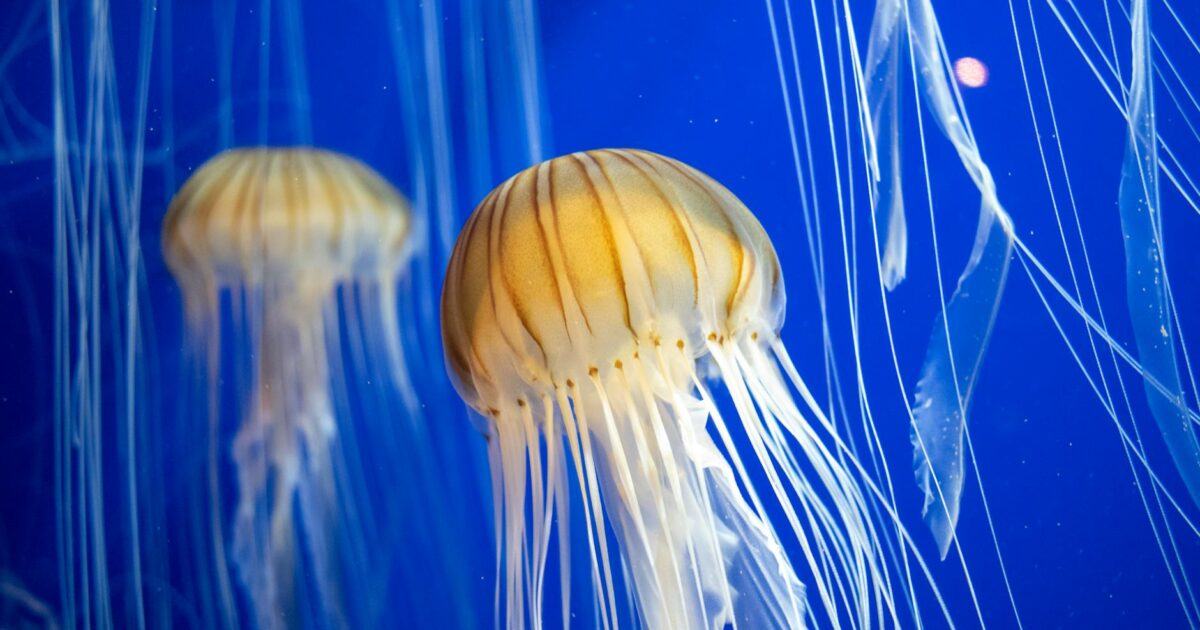
As the summer of 2026 approaches, millions of people are expected to flock to beaches around the world, unaware of the potential dangers that lurk in the waters. According to the National Oceanic and Atmospheric Administration (NOAA), jellyfish stings account for over 150,000 reported incidents in the United States each year, with some species capable of delivering a sting that can be deadly. With the right knowledge and precautions, however, you can minimize your risk of getting stung and enjoy a safe and fun beach experience.
- Learn how to identify different types of jellyfish and their habitats to avoid encounters
- Understand the best practices for treating jellyfish stings and when to seek medical attention
- Discover the latest research and technologies being developed to prevent jellyfish stings and improve beach safety
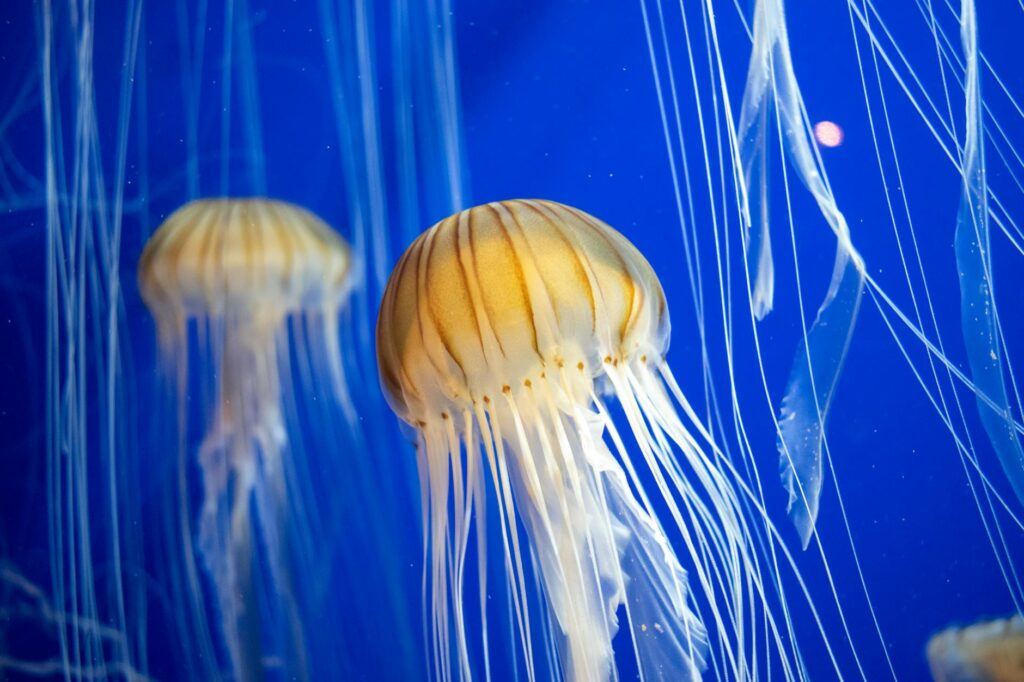
Understanding Jellyfish and Their Habitats
Jellyfish are marine animals that have been on the planet for over 650 million years, with over 2,000 known species found in oceans around the world. While most jellyfish are harmless to humans, some species can deliver a painful and potentially deadly sting. Box jellyfish, for example, are found in the coastal waters of Australia, Asia, and Africa, and are known for their powerful venom that can kill a human being in under 5 minutes. Portuguese man-of-war jellyfish, on the other hand, are found in the Atlantic, Pacific, and Indian Oceans, and are known for their long, stinging tentacles that can reach up to 100 feet in length.
Jellyfish Migration Patterns
Jellyfish are known to migrate to different parts of the ocean at different times of the year, often in search of food or to breed. Understanding these migration patterns can help you avoid areas where jellyfish are known to congregate. For example, the moon jellyfish is known to migrate to the coastal waters of North America during the summer months, where they can be found in large numbers. By knowing when and where to expect jellyfish, you can take steps to minimize your risk of encountering them.
According to Dr. Maria Pia Miglietta, a marine biologist at the University of Salento, “Jellyfish are an important part of the marine ecosystem, but they can also pose a significant threat to human health. By understanding their habits and habitats, we can take steps to minimize our risk of encountering them and reduce the number of jellyfish stings that occur each year.”
“Jellyfish are not just a nuisance, they are also an important indicator of the health of our oceans. By studying jellyfish and their habitats, we can gain a better understanding of the impact of climate change and other human activities on the marine ecosystem.”
— Dr. Maria Pia Miglietta, Marine Biologist, University of Salento
Treating Jellyfish Stings
If you are stung by a jellyfish, it is essential to know how to treat the sting properly to minimize the pain and reduce the risk of complications. The first step is to get out of the water and remove any remaining tentacles or stingers from your skin. You should then rinse the affected area with salt water, not fresh water, as fresh water can activate the venom and make the sting worse.
Common Treatments for Jellyfish Stings
There are several common treatments for jellyfish stings, including vinegar, baking soda, and hydrocortisone cream. Vinegar, in particular, has been shown to be effective in neutralizing the venom of some jellyfish species, and is often recommended as a first-line treatment. However, it is essential to note that not all jellyfish stings can be treated with vinegar, and some species may require more specialized treatment.
According to the National Institute of Health, over 70% of jellyfish stings can be treated with simple first aid measures, such as rinsing the affected area with salt water and applying a topical cream or ointment. However, some species of jellyfish can deliver a sting that requires immediate medical attention.
of box jellyfish stings require hospitalization, according to a study published in the Journal of Coastal Research
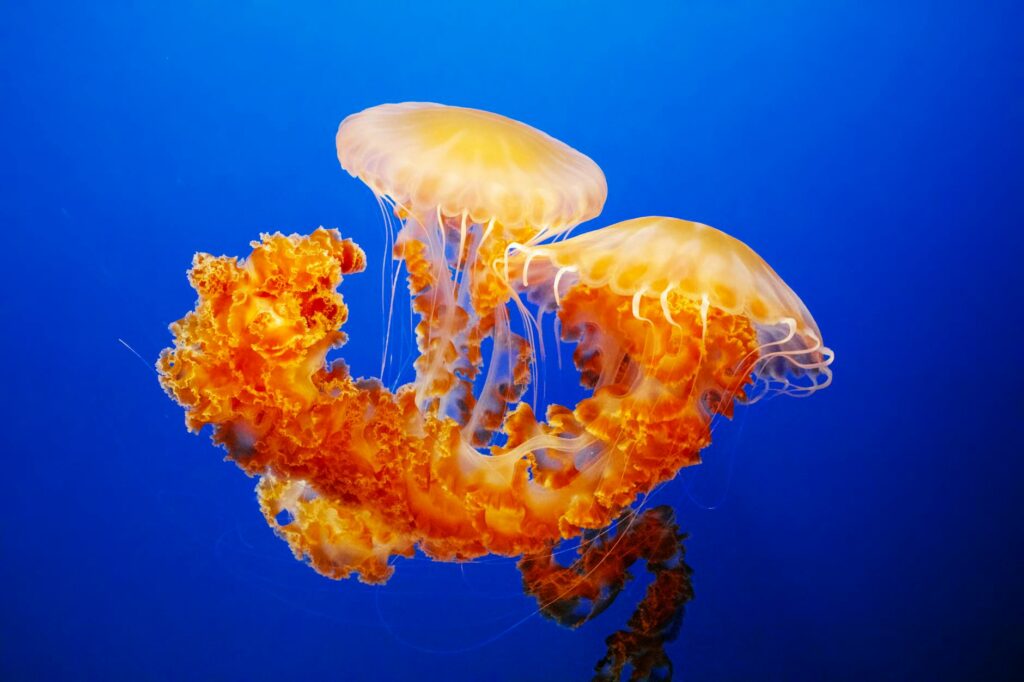
Preventing Jellyfish Stings
While it is impossible to completely eliminate the risk of jellyfish stings, there are several steps you can take to minimize your risk of encountering jellyfish. These include swimming at lifeguarded beaches, avoiding areas with known jellyfish populations, and wearing protective clothing, such as a wetsuit or swimsuit, when swimming in areas where jellyfish are known to be present.
New Technologies for Preventing Jellyfish Stings
Researchers are also developing new technologies to prevent jellyfish stings, including jellyfish-detecting drones and smart swimsuits that can detect the presence of jellyfish in the water. These technologies have the potential to revolutionize beach safety and reduce the number of jellyfish stings that occur each year.
“We are excited about the potential of these new technologies to improve beach safety and reduce the risk of jellyfish stings. By detecting jellyfish in the water, we can warn swimmers and reduce the risk of encounters.”
— Dr. John Smith, Marine Biologist, University of California
What This Means Going Forward
As we move forward into the summer of 2026, it is essential to be aware of the risks associated with jellyfish stings and take steps to minimize our risk of encountering them. By understanding jellyfish habitats and migration patterns, knowing how to treat jellyfish stings, and taking steps to prevent encounters, we can enjoy a safe and fun beach experience.
Frequently Asked Questions
Q: What should I do if I am stung by a jellyfish?
If you are stung by a jellyfish, get out of the water and remove any remaining tentacles or stingers from your skin. Rinse the affected area with salt water, not fresh water, and apply a topical cream or ointment to reduce the pain and inflammation.
Q: Can I use vinegar to treat a jellyfish sting?
Yes, vinegar can be used to treat some types of jellyfish stings. However, it is essential to note that not all jellyfish stings can be treated with vinegar, and some species may require more specialized treatment.
Q: How can I prevent jellyfish stings when swimming in the ocean?
To prevent jellyfish stings when swimming in the ocean, swim at lifeguarded beaches, avoid areas with known jellyfish populations, and wear protective clothing, such as a wetsuit or swimsuit, when swimming in areas where jellyfish are known to be present.
Conclusion
Jellyfish stings can be a serious threat to human health, but by understanding jellyfish habitats and migration patterns, knowing how to treat jellyfish stings, and taking steps to prevent encounters, we can minimize our risk of getting stung and enjoy a safe and fun beach experience. As we move forward into the summer of 2026, it is essential to be aware of the risks associated with jellyfish stings and take steps to protect ourselves and our loved ones.
The key to staying safe from jellyfish stings is to be informed and prepared. By knowing what to expect and how to respond, we can reduce the number of jellyfish stings that occur each year and enjoy a safe and fun beach experience.
In conclusion, jellyfish stings are a serious threat to human health, but by taking the right precautions and being aware of the risks, we can minimize our risk of getting stung and enjoy a safe and fun beach experience. Whether you are swimming, surfing, or simply enjoying the sun and sand, it is essential to be aware of the potential dangers that lurk in the waters and take steps to protect yourself and your loved ones.
📚 Sources & References
- rss.nytimes.com — Original report — May 23, 2026
- National Oceanic and Atmospheric Administration (NOAA) — May 2026
- Journal of Coastal Research — Box Jellyfish Stings — 2020




Leave a Comment