

The situation in the Strait of Hormuz has reached a boiling point, with both the US and Iran claiming control over the critical waterway. According to recent reports, ship traffic has been effectively frozen, despite a US initiative to protect vessels. The United Arab Emirates has also reported that its air defense systems had engaged missiles and drones from Iran, further escalating the tensions in the region. As of today, May 5, 2026, the world is watching with bated breath as the conflict unfolds.
- The US and Iran are engaged in a dispute over control of the Strait of Hormuz, a critical waterway for global oil trade.
- Ship traffic has been frozen despite a US initiative to protect vessels, with the US Navy’s 5th Fleet based in Bahrain playing a key role.
- The United Arab Emirates has reported engaging missiles and drones from Iran, further escalating tensions in the region.
Background and Context
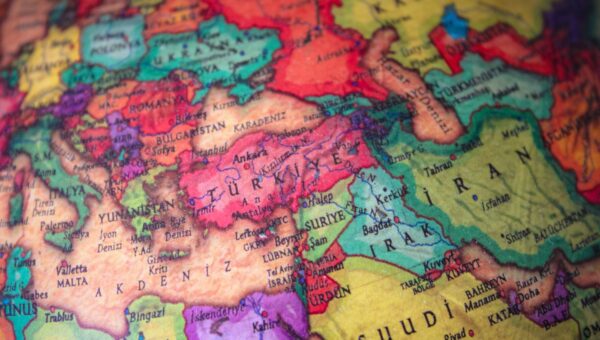
The Strait of Hormuz is a vital waterway that connects the Persian Gulf to the Gulf of Oman, and it is a critical route for international oil trade. The US and Iran have been engaged in a dispute over control of the strait, with the US seeking to maintain freedom of navigation and Iran seeking to assert its influence in the region. The situation has been further complicated by the involvement of other regional players, including the United Arab Emirates and Saudi Arabia.
Historical Tensions
The tensions between the US and Iran in the Strait of Hormuz are not new, and they have been building for decades. The two countries have a long and complex history, with the US supporting the Shah of Iran before the 1979 revolution and Iran viewing the US as a colonial power seeking to exert its influence over the region. In recent years, the tensions have escalated, with the US imposing sanctions on Iran and Iran responding with aggressive rhetoric and actions.
Regional Implications
The dispute over the Strait of Hormuz has significant implications for the region and the world. The strait is a critical route for international oil trade, and any disruption to traffic could have major economic consequences. The conflict also has the potential to draw in other regional players, including Saudi Arabia and the United Arab Emirates, and could escalate into a wider conflict.
Current Situation
The current situation in the Strait of Hormuz is highly volatile, with both the US and Iran claiming control over the waterway. The US has deployed a significant naval presence to the region, including the USS Abraham Lincoln aircraft carrier, and has warned Iran against any attempts to disrupt shipping. Iran, on the other hand, has threatened to close the strait and has begun to take steps to assert its control over the waterway.
“We will not allow Iran to disrupt the freedom of navigation in the Strait of Hormuz. We will take all necessary measures to protect our ships and our interests in the region.”
— Admiral John Richardson, Chief of Naval Operations, US Navy
International Response
The international community has been watching the situation in the Strait of Hormuz with concern, and there have been calls for calm and restraint from all parties involved. The United Nations has urged Iran and the US to avoid any actions that could escalate the conflict, and the European Union has called for a diplomatic solution to the dispute.
of the world’s oil trade passes through the Strait of Hormuz, according to the US Energy Information Administration.
What This Means Going Forward
The dispute over the Strait of Hormuz has significant implications for the region and the world. The conflict has the potential to disrupt global oil trade, and it could also draw in other regional players and escalate into a wider conflict. The US and Iran must find a way to resolve their differences and avoid any actions that could further destabilize the region.
“The situation in the Strait of Hormuz is a complex and challenging one, and it will require careful diplomacy and cooperation from all parties involved to resolve. We urge Iran and the US to avoid any actions that could escalate the conflict and to work towards a peaceful solution.”
— António Guterres, Secretary-General, United Nations
Frequently Asked Questions
Q: What is the Strait of Hormuz and why is it important?
The Strait of Hormuz is a vital waterway that connects the Persian Gulf to the Gulf of Oman, and it is a critical route for international oil trade. The strait is approximately 90 miles wide and is bounded by Iran to the north and the United Arab Emirates and Oman to the south.
Q: What are the implications of the dispute over the Strait of Hormuz for global oil trade?
The dispute over the Strait of Hormuz has significant implications for global oil trade, as any disruption to traffic could have major economic consequences. The strait is a critical route for international oil trade, and any closure or disruption could lead to higher oil prices and economic instability.
Q: How can the US and Iran resolve their differences and avoid further conflict in the Strait of Hormuz?
The US and Iran must find a way to resolve their differences and avoid any actions that could further destabilize the region. This will require careful diplomacy and cooperation from all parties involved, as well as a willingness to compromise and find a peaceful solution to the dispute.
Conclusion
The dispute over the Strait of Hormuz is a complex and challenging one, and it will require careful diplomacy and cooperation from all parties involved to resolve. The US and Iran must find a way to avoid any actions that could escalate the conflict and to work towards a peaceful solution. The international community must also play a role in supporting efforts to resolve the dispute and to promote stability in the region.
The situation in the Strait of Hormuz is a reminder of the importance of diplomacy and cooperation in resolving international conflicts. The US and Iran have a long and complex history, and it will take time and effort to build trust and to find a way forward. However, with careful diplomacy and a commitment to peace, it is possible to resolve the dispute and to promote stability in the region.
As the situation in the Strait of Hormuz continues to unfold, it is clear that the stakes are high and the consequences of failure could be severe. The US and Iran must find a way to avoid any actions that could escalate the conflict and to work towards a peaceful solution. The international community must also play a role in supporting efforts to resolve the dispute and to promote stability in the region.



Leave a Comment