

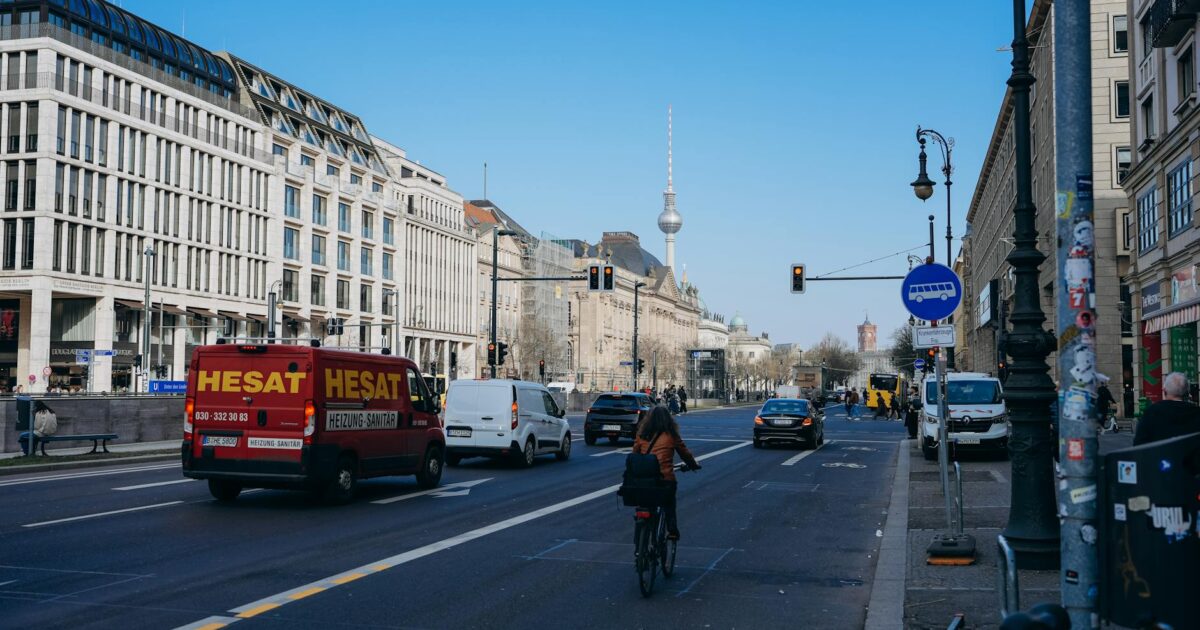
As Berlin prepares for its municipal elections, the city’s congested streets have become a cultural flashpoint, with conservatives and progressives locked in a heated debate over how to tackle the issue. According to a recent study, Berlin’s traffic congestion costs the city over €1.5 billion annually, with the average commuter spending around 70 hours per year stuck in traffic. The city’s car-friendly policies have been a point of contention, with many arguing that they are contributing to the city’s pollution and congestion problems.
- Berlin’s municipal elections have sparked a debate over the city’s congestion crisis, with conservatives and progressives offering differing solutions.
- The city’s car-friendly policies have been criticized for contributing to pollution and congestion, with many calling for a shift towards more sustainable transportation options.
- The issue has become a cultural flashpoint, with many Berliners feeling that the city’s character is at stake in the debate over its transportation policies.
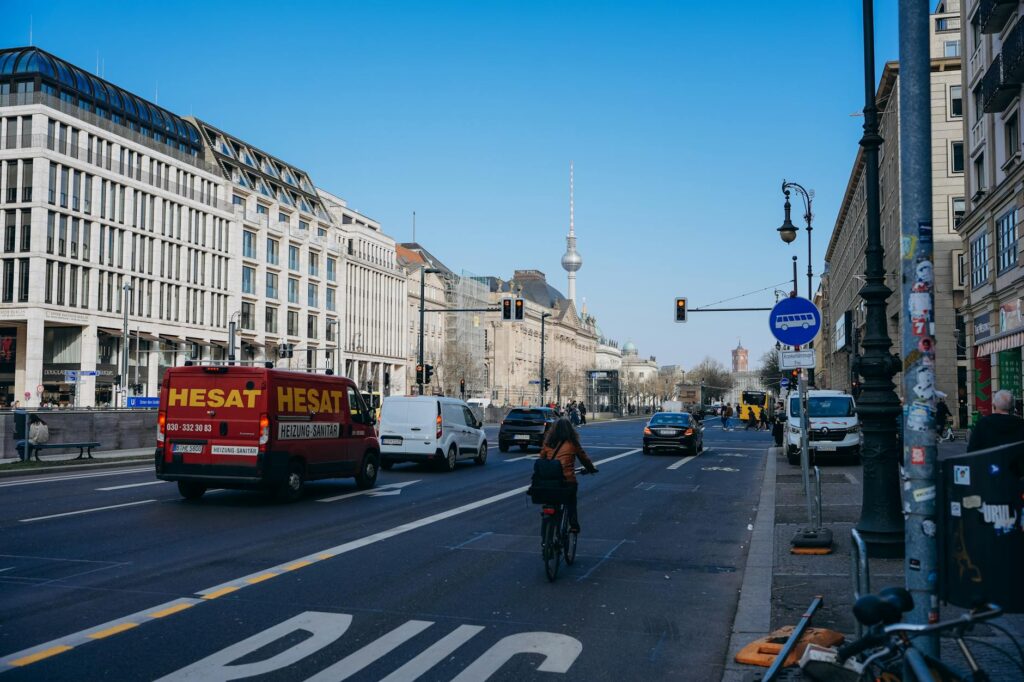
The Debate Over Congestion in Berlin
The debate over congestion in Berlin is complex and multifaceted, with many different factors at play. On the one hand, conservatives argue that the city’s car-friendly policies are essential for its economic growth and development. They point out that many Berliners rely on their cars to get to work and that restricting car use could have negative economic consequences. On the other hand, progressives argue that the city’s congestion crisis is a major problem that needs to be addressed, and that reducing car use is essential for improving air quality and reducing pollution.
The Role of Public Transportation
One of the key issues in the debate over congestion in Berlin is the role of public transportation. Many argue that the city’s public transportation system is not adequate to meet the needs of its residents, and that this is contributing to the city’s congestion problems. According to a recent report, Berlin’s public transportation system is used by around 60% of the city’s residents, but many feel that it is not reliable or efficient enough. The city’s government has announced plans to invest in improving the public transportation system, but many are skeptical about whether this will be enough to address the city’s congestion crisis.
“We need to make sure that our public transportation system is reliable and efficient, so that people feel that they have a viable alternative to driving their cars.”
— Klaus Lederer, Berlin’s Senator for Culture and Europe
The Impact of Car-Friendly Policies
The impact of car-friendly policies on Berlin’s congestion crisis is a major point of contention in the debate. Many argue that the city’s car-friendly policies have contributed to its congestion problems, by encouraging people to drive rather than use public transportation. According to a recent study, the city’s car-friendly policies have led to an increase in car use, with the number of cars on the road increasing by around 10% in the past five years. This has had a negative impact on air quality, with many areas of the city experiencing high levels of pollution.
The Health Impacts of Pollution
The health impacts of pollution are a major concern in Berlin, with many residents suffering from respiratory problems and other health issues related to air pollution. According to a recent report, air pollution is responsible for around 2,000 premature deaths in Berlin each year, with many more people suffering from health problems related to pollution. The city’s government has announced plans to reduce pollution, but many are skeptical about whether this will be enough to address the city’s health crisis.
“We need to take action to reduce pollution in Berlin, and that means reducing car use and increasing the use of public transportation.”
— Regine Günther, Berlin’s Senator for the Environment
The average amount of time that Berliners spend stuck in traffic each year, according to a recent study by the Berliner Morgenpost

What This Means Going Forward
The debate over congestion in Berlin is likely to continue in the run-up to the municipal elections, with conservatives and progressives offering differing solutions to the city’s transportation problems. Many are calling for a shift towards more sustainable transportation options, such as cycling and walking, as well as an improvement in the city’s public transportation system. Others are arguing that the city’s car-friendly policies are essential for its economic growth and development. Whatever the outcome of the elections, it is clear that the city’s congestion crisis will need to be addressed in order to improve the quality of life for Berliners.
Frequently Asked Questions
Q: What are the main causes of congestion in Berlin?
The main causes of congestion in Berlin are the city’s car-friendly policies, as well as the lack of adequate public transportation options. Many Berliners rely on their cars to get to work, which has led to an increase in car use and a corresponding increase in congestion.
Q: What are the health impacts of pollution in Berlin?
The health impacts of pollution in Berlin are significant, with many residents suffering from respiratory problems and other health issues related to air pollution. According to a recent report, air pollution is responsible for around 2,000 premature deaths in Berlin each year.
Q: What are the proposed solutions to the congestion crisis in Berlin?
The proposed solutions to the congestion crisis in Berlin include improving the city’s public transportation system, increasing the use of sustainable transportation options such as cycling and walking, and reducing car use. Many are also calling for the city to implement congestion charges, in order to discourage people from driving in the city center.
Conclusion
The debate over congestion in Berlin is complex and multifaceted, with many different factors at play. While conservatives and progressives may have differing opinions on how to address the city’s transportation problems, it is clear that something needs to be done to reduce congestion and improve air quality. The city’s municipal elections will be an important opportunity for Berliners to have their say on the issue, and to shape the future of the city’s transportation policies. As the city looks to the future, it is clear that a balance will need to be struck between the needs of different groups, including drivers, cyclists, and pedestrians.
The city’s congestion crisis is not just a local issue, but also a global one. Many cities around the world are struggling with similar problems, and Berlin’s experience could provide valuable lessons for other cities. By investing in sustainable transportation options and reducing car use, Berlin can become a model for other cities to follow.
In the end, the solution to Berlin’s congestion crisis will require a combination of different approaches, including improving public transportation, increasing the use of sustainable transportation options, and reducing car use. By working together, Berliners can create a more sustainable, equitable, and livable city for all.
📚 Sources & References
- rss.nytimes.com — Original report — May 22, 2026
- Berliner Morgenpost — Berliner Verkehr: 70 Stunden im Stau — May 20, 2026
- Tagesspiegel — Berlin will Verkehrswende umsetzen — May 19, 2026



Leave a Comment