

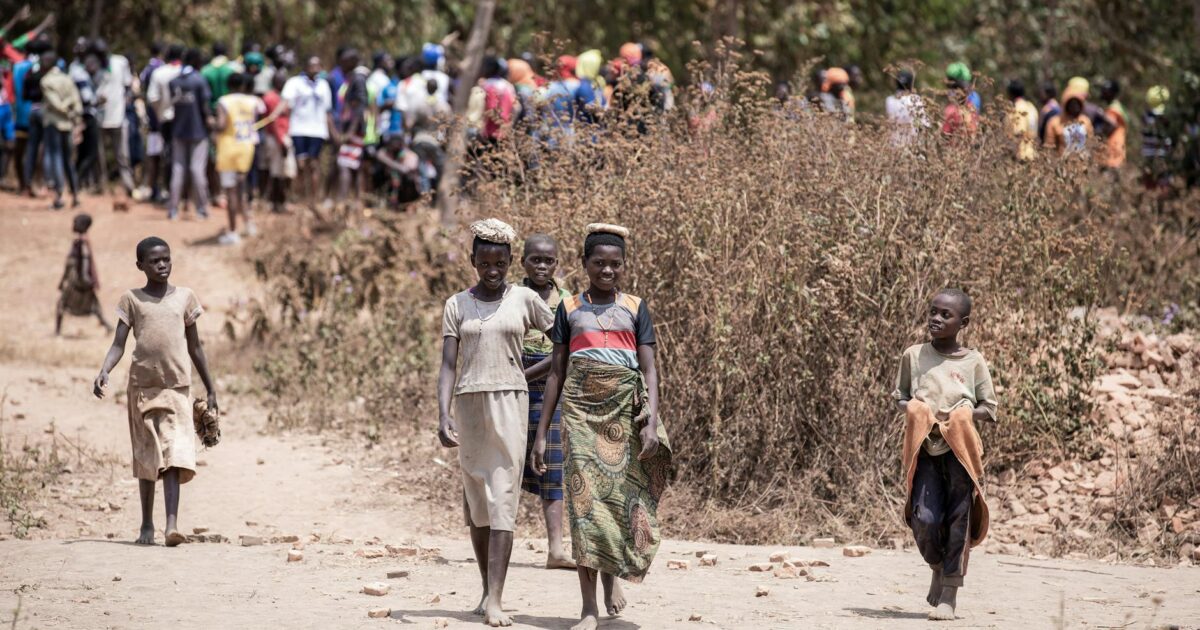
As the clock ticks down, thousands of Lebanese citizens are attempting to return to their homes after a tumultuous period of conflict between Israeli forces and the Iran-backed militia, Hezbollah. According to reports from the United Nations, over 10,000 people have been displaced in the past week alone, with many more feared to be trapped in the crossfire. The current ceasefire, which has been in effect for 48 hours, has brought a sense of cautious optimism to the region, with many hoping that it will hold and pave the way for a lasting peace.
- The 10-day ceasefire between Israel and Hezbollah has been largely adhered to, despite initial skepticism from both sides.
- Thousands of Lebanese citizens are attempting to return to their homes, with many more still displaced or trapped in the conflict zone.
- The ceasefire has been seen as a potential breakthrough in US-Iran peace talks, which have been stalled for months due to tensions in the region.
Background to the Conflict
The conflict between Israel and Hezbollah has been ongoing for decades, with periods of relative calm punctuated by outbreaks of violence. The current escalation began several weeks ago, with both sides exchanging rocket fire and airstrikes. The international community has been calling for a ceasefire, with the United States and other Western powers urging restraint on both sides. According to Dr. Mona Yacoubian, a senior advisor at the United States Institute of Peace, “The situation in Lebanon is extremely fragile, and any escalation could have far-reaching consequences for the entire region.”
Cause for Optimism
Despite the challenges, there are reasons to be optimistic about the current ceasefire. Hezbollah has avoided mentioning the ceasefire publicly, but appears to be adhering to it, with no major incidents reported in the past 48 hours. Israeli forces have also been exercising restraint, with Prime Minister Benjamin Netanyahu stating that “Israel is committed to maintaining the ceasefire, as long as it is reciprocated by the other side.” This cautious optimism is shared by many in the international community, including UN Secretary-General António Guterres, who has called for “all parties to respect the ceasefire and work towards a lasting peace.”
“The international community must come together to support the people of Lebanon and Israel, and to encourage both sides to work towards a lasting peace. This is a critical moment, and we must seize it to build a better future for all.”
— António Guterres, UN Secretary-General
The Role of the United States
The United States has been playing a key role in efforts to broker a peace deal between Israel and Hezbollah, with Secretary of State Antony Blinken holding talks with leaders on both sides. According to Blinken, “The United States is committed to supporting a peaceful resolution to the conflict, and we will continue to work with all parties to achieve this goal.” The US has also been providing humanitarian aid to those affected by the conflict, with over $10 million in assistance pledged in the past week alone.
Implications for US-Iran Peace Talks
The current ceasefire has significant implications for US-Iran peace talks, which have been stalled for months due to tensions in the region. According to Dr. Sanam Vakil, a senior research fellow at the Middle East and North Africa programme at Chatham House, “The ceasefire is a crucial step towards de-escalation, and could potentially pave the way for a breakthrough in US-Iran talks. However, it is still early days, and much work remains to be done to build trust and achieve a lasting peace.”
“The US and Iran have a long and complex history, and rebuilding trust will take time. However, the current ceasefire is a positive step, and we must build on this momentum to achieve a lasting peace.”
— Dr. Sanam Vakil, Senior Research Fellow at Chatham House
people displaced in the past week alone, according to the United Nations
What This Means Going Forward
The current ceasefire is a significant development, but it is still unclear what the future holds. Both sides have expressed a desire to maintain the ceasefire, but there are still many challenges to overcome. According to Israeli Defense Minister Yoav Gallant, “The ceasefire is a positive step, but we must remain vigilant and prepared for any eventuality. The security of Israel is our top priority, and we will do whatever it takes to protect our citizens.”
Frequently Asked Questions
Q: What is the current situation on the ground in Lebanon?
Thousands of Lebanese citizens are attempting to return to their homes, with many more still displaced or trapped in the conflict zone. The situation is fragile, but the current ceasefire has brought a sense of cautious optimism to the region.
Q: What is the role of the United States in the conflict?
The United States has been playing a key role in efforts to broker a peace deal between Israel and Hezbollah, with Secretary of State Antony Blinken holding talks with leaders on both sides. The US has also been providing humanitarian aid to those affected by the conflict.
Q: What are the implications of the ceasefire for US-Iran peace talks?
The current ceasefire has significant implications for US-Iran peace talks, which have been stalled for months due to tensions in the region. The ceasefire could potentially pave the way for a breakthrough in talks, but much work remains to be done to build trust and achieve a lasting peace.
Conclusion
The current ceasefire between Israel and Hezbollah is a significant development, and one that could potentially pave the way for a lasting peace. However, the situation remains fragile, and much work remains to be done to build trust and achieve a lasting peace. As the international community continues to watch the situation closely, one thing is clear: the people of Lebanon and Israel deserve a chance to live in peace and security, and it is up to all of us to support them in this goal.
The road ahead will be long and challenging, but with the current ceasefire in place, there is a sense of hope and optimism that has not been seen in the region for many years. As Dr. Mona Yacoubian notes, “The situation in Lebanon is a complex one, but with the right support and leadership, it is possible to build a better future for all. The international community must come together to support the people of Lebanon and Israel, and to encourage both sides to work towards a lasting peace.”
The future is uncertain, but one thing is clear: the current ceasefire is a crucial step towards a lasting peace, and one that must be supported and built upon in the days and weeks to come.
📚 Sources & References
- rss.nytimes.com — Original report — April 17, 2026
- United Nations — Statement by the Secretary-General on the situation in Lebanon — April 16, 2026
- US Department of State — Remarks by Secretary Blinken on the situation in Lebanon — April 15, 2026


Leave a Comment