

In a dramatic turn of events, Israel has launched airstrikes against targets in southern Lebanon, marking a significant escalation in the ongoing conflict with Hezbollah. According to reports from the United Nations, over 500,000 civilians have been displaced in the region since the start of the conflict. The Israeli government had previously threatened to attack Beirut, but appears to have pulled back from this threat following diplomatic pressure from President Trump.
- Israel launches airstrikes against targets in southern Lebanon, targeting Hezbollah strongholds
- President Trump intervenes diplomatically, urging Israeli Prime Minister Benjamin Netanyahu to exercise restraint
- Over 500,000 civilians displaced in the region since the start of the conflict, according to UN reports
Background to the Conflict
The conflict between Israel and Hezbollah has been ongoing for several years, with both sides engaging in periodic exchanges of fire. However, the situation has escalated significantly in recent months, with Israel launching a series of airstrikes against Hezbollah targets in Lebanon. The Israeli government has stated that these airstrikes are necessary to prevent Hezbollah from acquiring advanced weaponry and to disrupt the group’s military capabilities.
Hezbollah’s Role in the Conflict
Hezbollah is a Shia Islamist militant group based in Lebanon, which has been accused of receiving support from Iran. The group has been involved in the Syrian civil war, fighting on behalf of the Assad regime, and has also been accused of carrying out terrorist attacks against Israeli targets. The Israeli government has stated that it will not tolerate Hezbollah’s presence in southern Lebanon and has vowed to take action to prevent the group from acquiring advanced weaponry.
According to Dr. Michael Herzog, a former Israeli diplomat, “Hezbollah’s presence in southern Lebanon is a significant threat to Israel’s security, and the Israeli government is right to take action to prevent the group from acquiring advanced weaponry.”
“The situation in southern Lebanon is extremely volatile, and the international community needs to take action to prevent further escalation.”
— Dr. Michael Herzog, Former Israeli Diplomat
International Reaction to the Conflict
The international community has been quick to condemn the violence in southern Lebanon, with many countries calling for restraint and a return to diplomatic negotiations. The United States has been actively engaged in efforts to broker a peace deal between Israel and Hezbollah, with President Trump stating that he is committed to finding a solution to the conflict.
of the Lebanese population is opposed to Hezbollah’s military activities, according to a recent survey by the Pew Research Center
Military Operations and Strategies
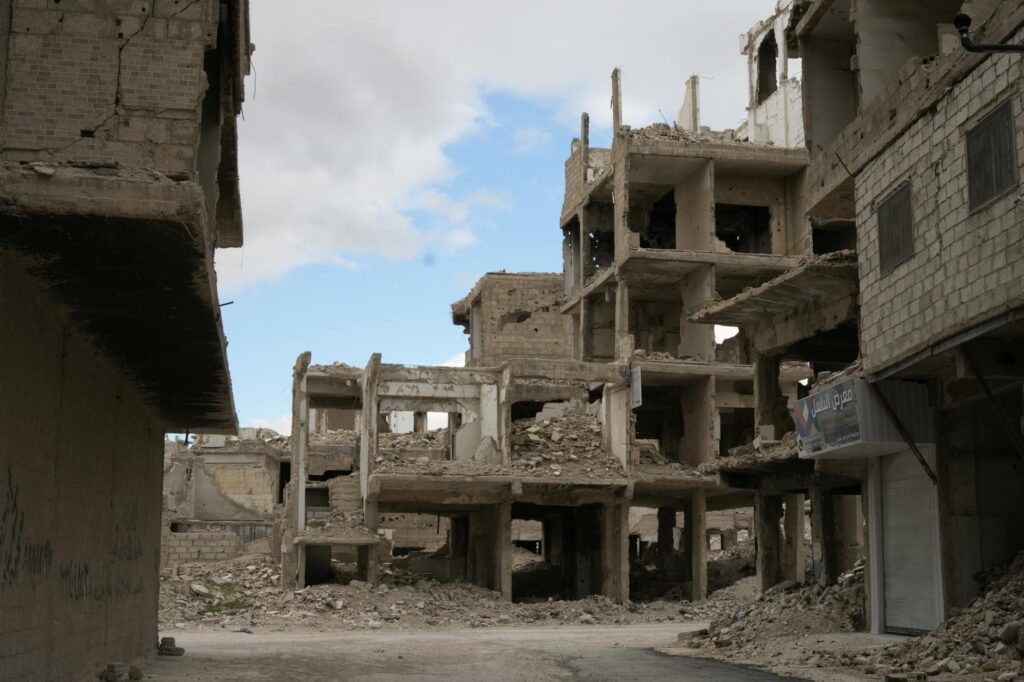
The Israeli military has been using a range of tactics to target Hezbollah strongholds in southern Lebanon, including airstrikes and ground operations. The Israeli government has stated that these operations are necessary to prevent Hezbollah from acquiring advanced weaponry and to disrupt the group’s military capabilities. However, the operations have also resulted in significant civilian casualties and displacement.
Humanitarian Concerns
The conflict in southern Lebanon has resulted in a significant humanitarian crisis, with over 500,000 civilians displaced and many more affected by the violence. The international community has been quick to respond to the crisis, with many countries providing humanitarian aid to those affected.
According to Jan Egeland, Secretary General of the Norwegian Refugee Council, “The humanitarian situation in southern Lebanon is dire, and the international community needs to take action to provide aid to those affected.”
“The conflict in southern Lebanon is a stark reminder of the devastating consequences of war, and the need for diplomatic solutions to prevent further violence.”
— Jan Egeland, Secretary General of the Norwegian Refugee Council
What This Means Going Forward
The conflict in southern Lebanon has significant implications for the region and the world. The escalation of violence between Israel and Hezbollah has the potential to draw in other countries and to destabilize the entire region. The international community needs to take action to prevent further escalation and to find a diplomatic solution to the conflict.
Frequently Asked Questions
Q: What is the current situation in southern Lebanon?
The current situation in southern Lebanon is extremely volatile, with ongoing violence between Israel and Hezbollah. The conflict has resulted in significant civilian casualties and displacement, and the international community is calling for restraint and a return to diplomatic negotiations.
Q: What is the role of the international community in the conflict?
The international community has a significant role to play in the conflict, with many countries calling for restraint and a return to diplomatic negotiations. The United States has been actively engaged in efforts to broker a peace deal between Israel and Hezbollah, and other countries are providing humanitarian aid to those affected by the conflict.
Q: What are the implications of the conflict for the region and the world?
The conflict in southern Lebanon has significant implications for the region and the world. The escalation of violence between Israel and Hezbollah has the potential to draw in other countries and to destabilize the entire region. The international community needs to take action to prevent further escalation and to find a diplomatic solution to the conflict.
Conclusion
The conflict in southern Lebanon is a complex and multifaceted issue, with significant implications for the region and the world. The international community needs to take action to prevent further escalation and to find a diplomatic solution to the conflict. The situation is extremely volatile, and the potential for further violence is high. However, with diplomatic efforts and a commitment to finding a solution, it is possible to prevent further escalation and to bring peace to the region.
The conflict in southern Lebanon is a stark reminder of the devastating consequences of war and the need for diplomatic solutions to prevent further violence. The international community must take action to provide humanitarian aid to those affected and to support diplomatic efforts to find a solution to the conflict.
In the words of United Nations Secretary-General António Guterres, “The conflict in southern Lebanon is a tragic reminder of the need for diplomacy and dialogue to prevent further violence and to find a solution to the conflict.”
“The international community must come together to support diplomatic efforts and to provide humanitarian aid to those affected by the conflict.”
— António Guterres, United Nations Secretary-General
📚 Sources & References
- rss.nytimes.com — Original report — June 2, 2026
- United Nations — News and Media — June 2, 2026
- United States Department of State — Official Website — June 2, 2026


Leave a Comment