

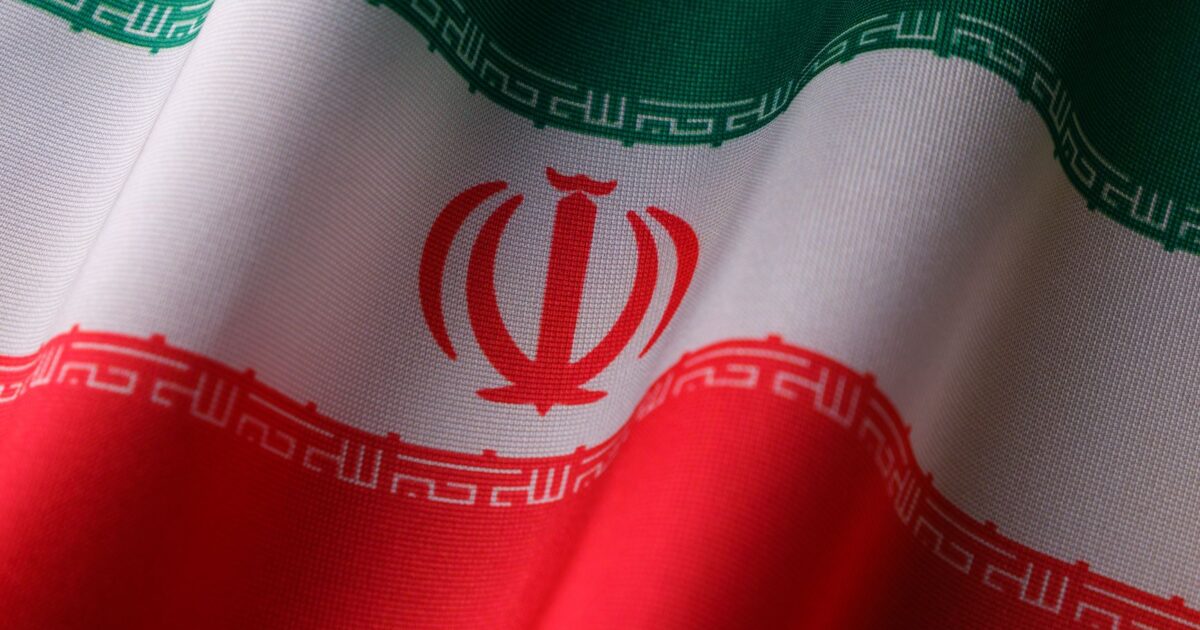
In a shocking turn of events, Iran has categorically denied claims made by former US President Donald Trump that new talks between the two nations are set to begin on Monday. This denial comes at a time when Iran is engaged in critical negotiations with Oman over access to the strategic Strait of Hormuz, a waterway through which a significant portion of the world’s oil passes. According to recent reports, over 20% of the world’s oil supply is transported through this strait, making it a pivotal point of contention in global energy politics.
- Iran denies the existence of new talks with the US, contradicting claims made by former President Donald Trump.
- Iran is currently in negotiations with Oman regarding access to the Strait of Hormuz, a critical waterway for global oil supply.
- The situation in the Strait of Hormuz remains volatile, with potential implications for global energy markets and geopolitical stability.
Background to the Conflict
The relationship between Iran and the US has been strained for decades, with tensions escalating significantly in recent years. The withdrawal of the US from the Joint Comprehensive Plan of Action (JCPOA), also known as the Iran nuclear deal, in 2018 marked a significant turning point in this deterioration. Since then, there have been numerous incidents of confrontation, including the targeting of oil tankers in the Gulf and the downing of a US drone by Iranian forces.
Historical Context
The conflict between Iran and the US is deeply rooted in historical events, including the 1979 Iranian Revolution and the subsequent hostage crisis. These events set the stage for decades of mistrust and hostility. The Iran-Iraq War of the 1980s further complicated the regional dynamics, with the US providing support to Iraq in the conflict.
Current Negotiations with Oman
Iran’s current negotiations with Oman over the Strait of Hormuz are critical for both regional stability and global energy security. Oman, due to its strategic location, plays a crucial role in facilitating dialogue between Iran and other nations. According to Dr. Sanam Vakil, Deputy Director of the Middle East and North Africa Programme at Chatham House, “Oman has historically acted as a mediator between Iran and the West, leveraging its good relations with both sides to facilitate dialogue and de-escalation.”
“The Strait of Hormuz is not just a critical waterway for oil transportation but also a potential flashpoint for conflict. The ongoing negotiations between Iran and Oman are crucial for preventing escalation and ensuring the free flow of oil.”
— Dr. Sanam Vakil, Deputy Director, Middle East and North Africa Programme, Chatham House
Implications for Global Energy Markets
The situation in the Strait of Hormuz has significant implications for global energy markets. Any disruption to oil supply through this strait could lead to a spike in oil prices, affecting economies worldwide. The International Energy Agency (IEA) has warned about the potential risks to global energy security posed by tensions in the region.
Economic Impact
The economic impact of a conflict in the Strait of Hormuz would be far-reaching. A significant increase in oil prices could lead to inflation, reduced consumer spending, and potentially even recession in some economies. According to Henrietta Clare, Oil Market Analyst at Bloomberg, “The global economy is highly sensitive to changes in oil prices. A major disruption in the Strait of Hormuz could have catastrophic effects on the world economy.”
“We are at a critical juncture. The world cannot afford a significant disruption in oil supply. It’s imperative that diplomatic efforts succeed in de-escalating tensions in the region.”
— Henrietta Clare, Oil Market Analyst, Bloomberg
of the world’s oil supply passes through the Strait of Hormuz, according to the US Energy Information Administration.

What This Means Going Forward
The denial by Iran of new talks with the US, coupled with the ongoing negotiations with Oman, suggests a complex and potentially volatile period ahead. The international community will be watching closely, hoping for a resolution that avoids conflict and ensures the free flow of oil through the Strait of Hormuz. The situation underscores the need for sustained diplomatic efforts to address the underlying issues between Iran and the US.
Frequently Asked Questions
Q: What is the significance of the Strait of Hormuz?
The Strait of Hormuz is a critical waterway through which a significant portion of the world’s oil is transported. It connects the Persian Gulf to the Gulf of Oman and the Arabian Sea, making it a vital route for international oil trade.
Q: Why are negotiations between Iran and Oman important?
Negotiations between Iran and Oman are crucial for regional stability and global energy security. Oman’s role as a mediator can help in de-escalating tensions and finding a peaceful resolution to the conflict.
Q: How could a conflict in the Strait of Hormuz affect the global economy?
A conflict could lead to a disruption in oil supply, causing a spike in oil prices. This, in turn, could lead to inflation, reduced consumer spending, and potentially even recession in some economies, affecting the global economy significantly.
Conclusion
The situation between Iran and the US, with the backdrop of negotiations over the Strait of Hormuz, is complex and fraught with potential risks. The denial of new talks by Iran and the ongoing efforts to secure access to the strait highlight the deep-seated issues that need to be addressed. The international community must continue to support diplomatic efforts to find a peaceful resolution, ensuring the stability of the region and the security of global energy supplies.
The path forward will require careful navigation of historical grievances, current tensions, and future aspirations. The role of mediators like Oman will be crucial in facilitating dialogue and preventing escalation. As the world watches the developments in the Strait of Hormuz, it is clear that a sustained and collective effort is needed to secure peace and stability in the region.
In conclusion, the denial by Iran of new talks with the US is a significant development in a long-standing conflict. The implications are far-reaching, with potential impacts on global energy markets, regional stability, and the world economy. As diplomatic efforts continue, it is essential to understand the complexities of the situation and the critical role that negotiations play in preventing conflict and ensuring peace.
📚 Sources & References
- feeds.bbci.co.uk — Original report — August 3, 2026
- Chatham House — Profile of Dr. Sanam Vakil — Accessed August 3, 2026
- Bloomberg — Oil Market Analysis — August 3, 2026



Leave a Comment