

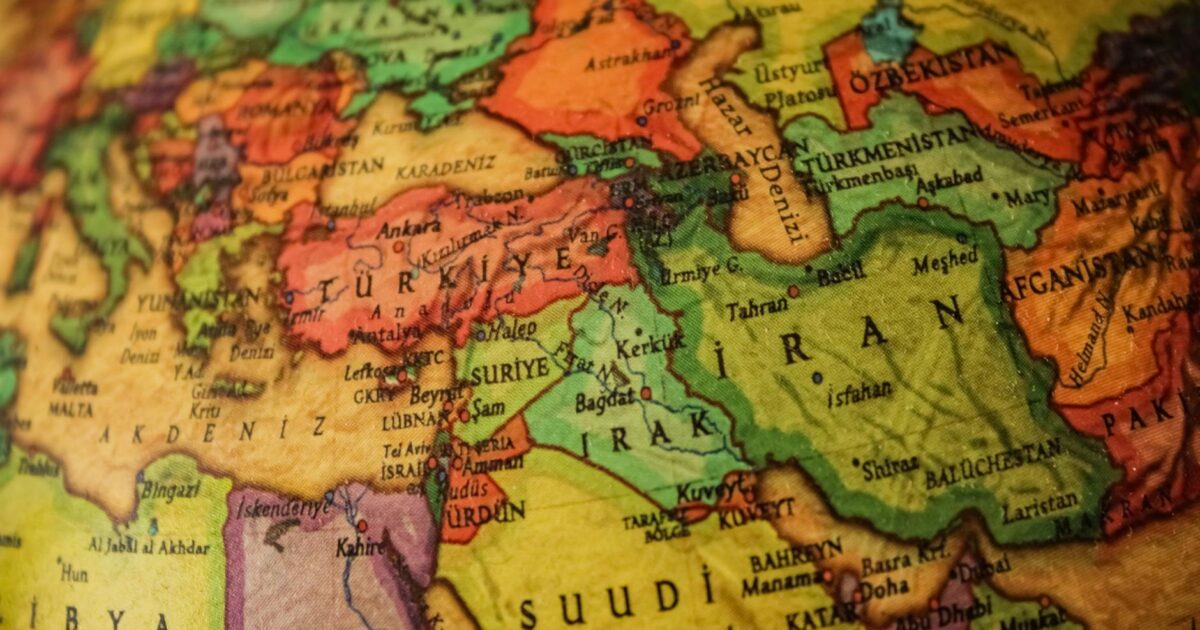
The escalating tensions between the United States and Iran have sparked fears of a long-term energy crisis, with President Trump warning that the truce is on “life support.” As the situation continues to unfold, the global community is bracing for the potential consequences of a prolonged conflict. According to recent reports, the price of crude oil has already surged by 10% in the past week alone, leaving many to wonder what the future holds for the global energy market.
- The United States and Iran are engaged in a fragile truce, with President Trump warning of a potential collapse.
- The conflict has sparked fears of a long-term energy crisis, with the price of crude oil surging by 10% in the past week.
- President Trump has proposed suspending the federal gasoline tax to mitigate the impact of rising fuel prices on American consumers.
Background and Context
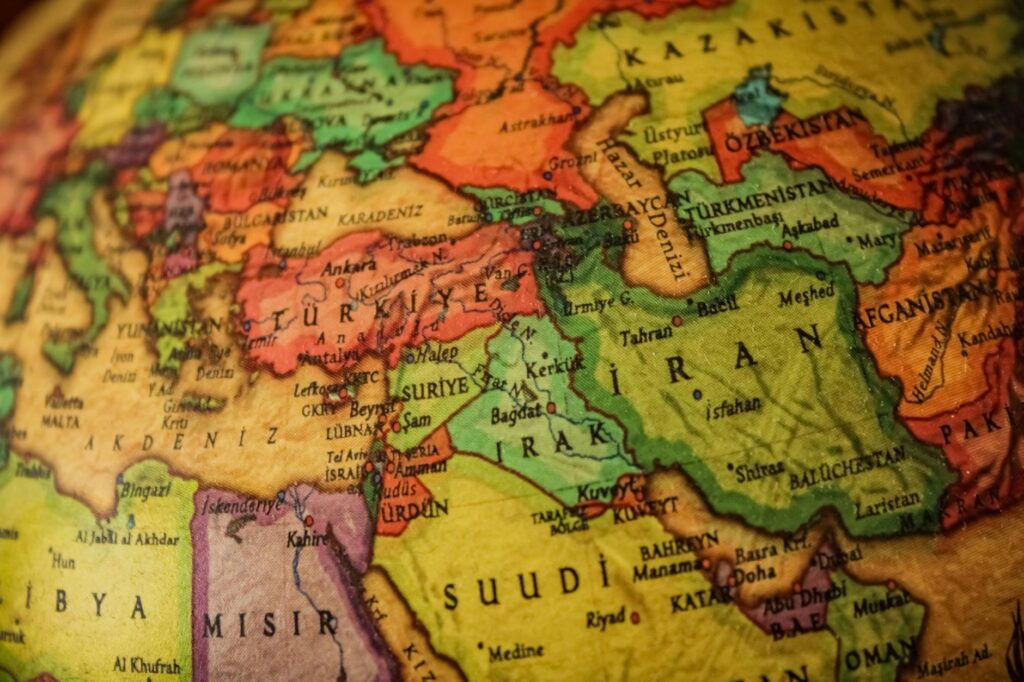
The current situation between the United States and Iran is a result of months of escalating tensions. The conflict began to escalate in late 2025, when the United States imposed sanctions on Iran in response to its alleged support of terrorist organizations. Iran retaliated by launching a series of cyberattacks on American targets, which were followed by a series of military strikes by the United States. The situation has continued to deteriorate, with both sides engaging in a war of words and a series of provocative actions.
Key Players and Interests
The conflict between the United States and Iran involves a complex array of players and interests. The United States is seeking to contain Iran’s nuclear program and limit its influence in the region, while Iran is seeking to assert its sovereignty and protect its interests. Other key players in the region, including Saudi Arabia and Israel, are also closely watching the situation and preparing for potential consequences.
Global Implications
The conflict between the United States and Iran has significant implications for the global community. The potential for a long-term energy crisis is a major concern, as it could lead to higher fuel prices and economic instability. The situation also has the potential to destabilize the entire region, which could lead to a wider conflict and humanitarian crisis.
“The situation between the United States and Iran is extremely fragile, and the potential for a long-term energy crisis is very real. We are working closely with our allies to mitigate the impact of this conflict and prevent a wider crisis from unfolding.”
— Jen Psaki, White House Press Secretary
Energy Market Impact
The conflict between the United States and Iran is already having a significant impact on the global energy market. The price of crude oil has surged by 10% in the past week, and many analysts are predicting further price increases in the coming weeks and months. The situation is also leading to concerns about the potential for supply chain disruptions and shortages, which could have a major impact on the global economy.
Gasoline Prices and Consumer Impact
The rising price of crude oil is already having a significant impact on gasoline prices in the United States. The average price of a gallon of gasoline has increased by 5% in the past week, and many analysts are predicting further price increases in the coming weeks and months. President Trump has proposed suspending the federal gasoline tax to mitigate the impact of rising fuel prices on American consumers.
“The rising price of gasoline is a major concern for American consumers, and we are working to mitigate the impact of this conflict on the economy. Suspending the federal gasoline tax is one option that we are considering, but we will need to work with Congress to make it happen.”
— Larry Kudlow, Director of the National Economic Council
The potential increase in the price of crude oil over the next 6 months, according to a recent report by the International Energy Agency (IEA)
What This Means Going Forward
The conflict between the United States and Iran has significant implications for the global community, and the potential for a long-term energy crisis is a major concern. As the situation continues to unfold, it is likely that the price of crude oil will continue to rise, leading to higher fuel prices and economic instability. The global community will need to work together to mitigate the impact of this conflict and prevent a wider crisis from unfolding.
Frequently Asked Questions
Q: What is the current situation between the United States and Iran?
The United States and Iran are engaged in a fragile truce, with President Trump warning of a potential collapse. The conflict began to escalate in late 2025, when the United States imposed sanctions on Iran in response to its alleged support of terrorist organizations.
Q: How will the conflict between the United States and Iran impact the global energy market?
The conflict between the United States and Iran is already having a significant impact on the global energy market, with the price of crude oil surging by 10% in the past week. The situation is also leading to concerns about the potential for supply chain disruptions and shortages, which could have a major impact on the global economy.
Q: What is being done to mitigate the impact of the conflict on American consumers?
President Trump has proposed suspending the federal gasoline tax to mitigate the impact of rising fuel prices on American consumers. The administration is also working with Congress to develop a comprehensive plan to address the energy crisis and prevent a wider economic downturn.
Conclusion
The conflict between the United States and Iran is a complex and multifaceted issue, with significant implications for the global community. As the situation continues to unfold, it is likely that the price of crude oil will continue to rise, leading to higher fuel prices and economic instability. The global community will need to work together to mitigate the impact of this conflict and prevent a wider crisis from unfolding. The United States and Iran must also work towards a peaceful resolution to the conflict, which will require a willingness to compromise and negotiate.
The situation is extremely fragile, and the potential for a long-term energy crisis is very real. However, with careful planning and cooperation, it is possible to mitigate the impact of this conflict and prevent a wider crisis from unfolding. The global community must remain vigilant and work together to address the challenges posed by this conflict.
In the coming weeks and months, it will be important to closely monitor the situation and adjust our strategies as necessary. The conflict between the United States and Iran is a dynamic and evolving issue, and it will require a flexible and adaptive response. By working together and remaining committed to a peaceful resolution, we can mitigate the impact of this conflict and prevent a wider crisis from unfolding.
📚 Sources & References
- rss.nytimes.com — Original report — May 11, 2026
- International Energy Agency (IEA) — Global Energy Review — March 2026
- The White House — Remarks by President Trump on Iran — May 10, 2026


Leave a Comment