

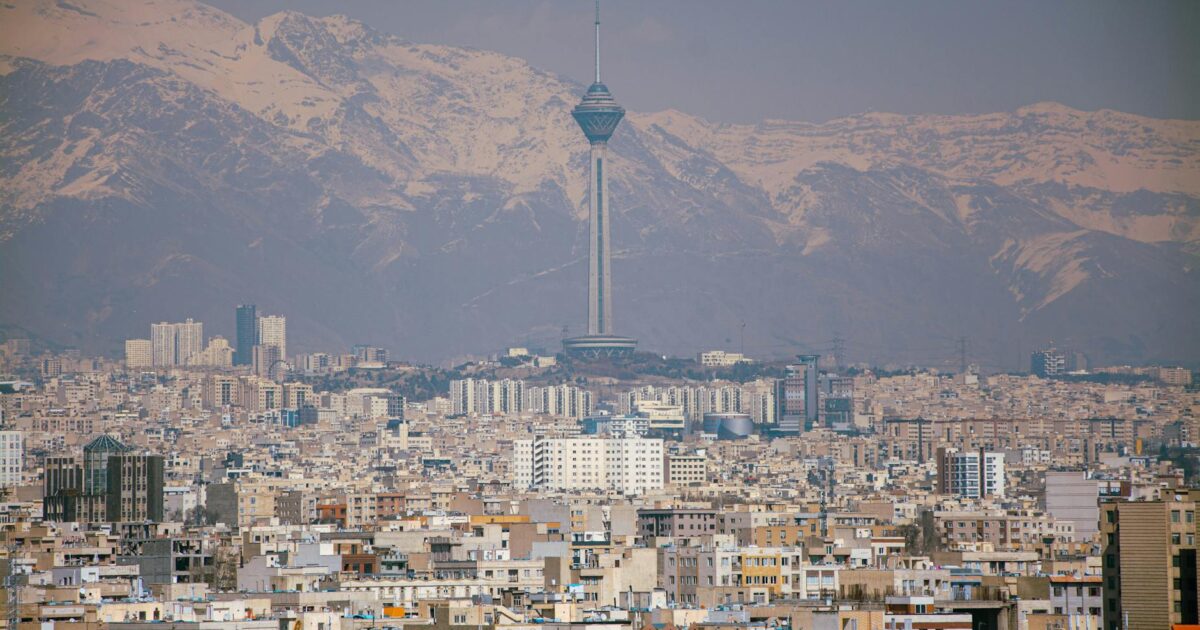
The ongoing conflict between Iran and the US has taken a dramatic turn as Tehran has listed its conditions for a peace deal, which include a staggering $130 billion in war reparations, recognition of its sovereignty over the strategic Strait of Hormuz, and an immediate end to crippling American sanctions. According to reports from Iranian state media, these demands have been deemed “unacceptable” by the US administration. As tensions continue to escalate, the world watches with bated breath, wondering what the future holds for the region.
- Iran has presented a list of demands for a peace deal with the US, including $130 billion in war reparations.
- Tehran is seeking recognition of its sovereignty over the Strait of Hormuz, a vital shipping route.
- The US has deemed these demands “unacceptable,” leaving the future of the conflict uncertain.
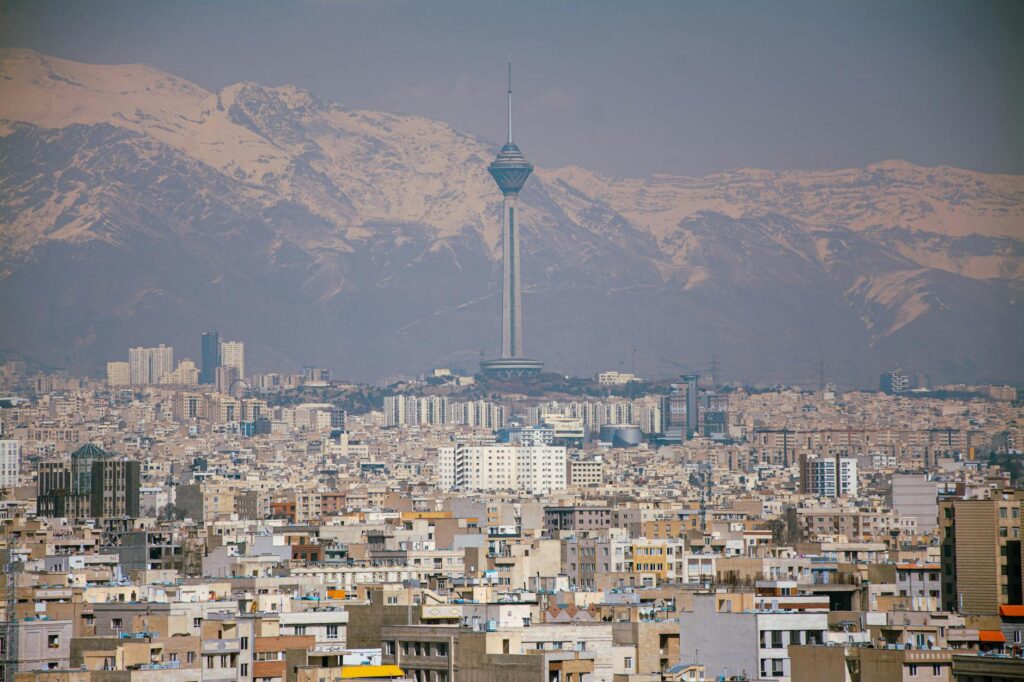
Understanding the Demands
The Iranian government’s demands are rooted in a long-standing desire to assert its dominance in the region and to rectify what it sees as historical injustices. The $130 billion in war reparations is a staggering figure, one that reflects the significant economic toll the conflict has taken on the country. According to Dr. Sanam Vakil, Deputy Director of the Middle East and North Africa Program at Chatham House, “Iran’s demands are a clear indication of its desire to be taken seriously as a regional power and to have its grievances addressed.”
Historical Context
The Strait of Hormuz, a narrow waterway that connects the Persian Gulf to the Arabian Sea, is a critical shipping route, with over 20% of the world’s oil passing through it. Iran’s desire to assert its sovereignty over the strait is driven by a desire to control the flow of oil and to exert its influence over the region. As General Joseph Dunford, former Chairman of the Joint Chiefs of Staff, noted, “The Strait of Hormuz is a vital waterway, and any attempt by Iran to disrupt the flow of oil would have significant consequences for the global economy.”
“The Iranian government’s demands are a non-starter. We will not be intimidated or coerced into accepting terms that are unacceptable to us.”
— John Bolton, former US National Security Adviser
The US Response
The US administration has been quick to reject Iran’s demands, with officials describing them as “unacceptable” and “non-starters.” The US has long maintained that it will not negotiate with Iran until it ceases its support for terrorist groups and ends its nuclear program. According to Secretary of State Antony Blinken, “The US is committed to a peaceful resolution to the conflict, but we will not compromise on our core principles.”
Economic Implications
The conflict between Iran and the US has significant economic implications, with the potential to disrupt the global oil supply and drive up prices. As Dr. Daniel Yergin, a leading energy expert, noted, “The conflict in the Middle East has the potential to send shockwaves through the global economy, and it is essential that we find a peaceful resolution to the conflict.”
of the world’s oil passes through the Strait of Hormuz, making it a critical shipping route (Source: US Energy Information Administration)
What This Means Going Forward
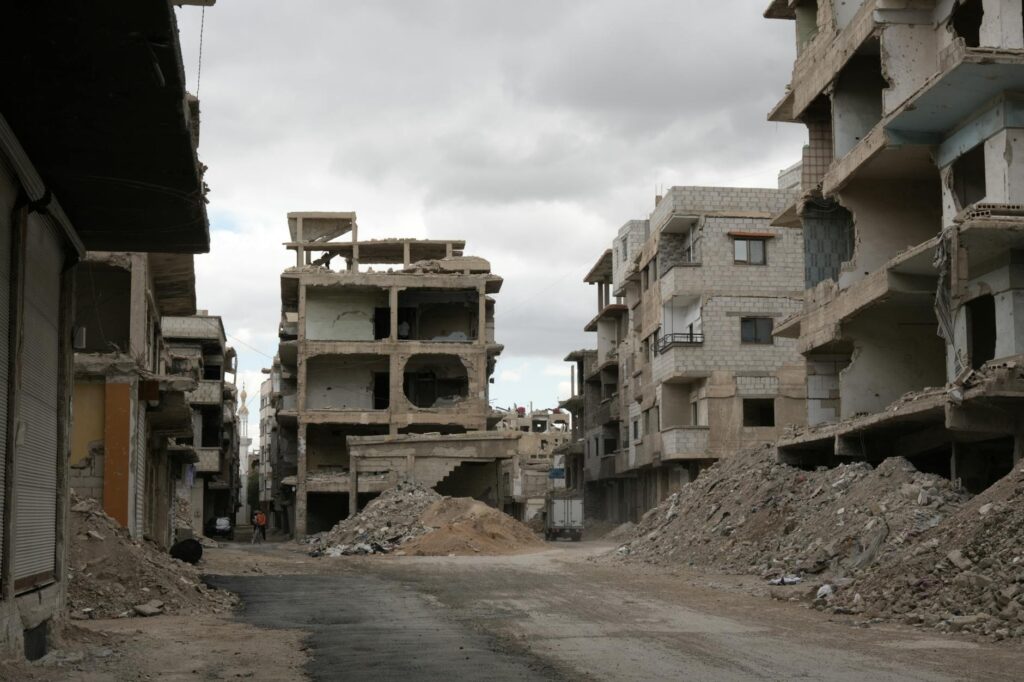
The rejection of Iran’s demands by the US administration leaves the future of the conflict uncertain. As tensions continue to escalate, the world watches with bated breath, wondering what the future holds for the region. According to Dr. Trita Parsi, founder of the National Iranian American Council, “The US and Iran are at a critical juncture, and it is essential that we find a peaceful resolution to the conflict before it’s too late.”
Frequently Asked Questions
Q: What are the main demands of the Iranian government?
The Iranian government is demanding $130 billion in war reparations, recognition of its sovereignty over the Strait of Hormuz, and an immediate end to American sanctions.
Q: How has the US responded to Iran’s demands?
The US administration has rejected Iran’s demands, describing them as “unacceptable” and “non-starters.”
Q: What are the economic implications of the conflict?
The conflict between Iran and the US has significant economic implications, with the potential to disrupt the global oil supply and drive up prices.
Conclusion
The conflict between Iran and the US is a complex and multifaceted issue, with significant implications for the region and the world. As tensions continue to escalate, it is essential that we find a peaceful resolution to the conflict before it’s too late. According to Dr. Vali Nasr, Dean of the Johns Hopkins School of Advanced International Studies, “The US and Iran must engage in constructive dialogue to find a peaceful resolution to the conflict, one that addresses the concerns of both parties and promotes stability in the region.”
“The US and Iran are at a critical juncture, and it is essential that we find a peaceful resolution to the conflict before it’s too late. The alternative is a catastrophic war that would have far-reaching consequences for the region and the world.”
— Dr. Trita Parsi, founder of the National Iranian American Council
The future of the conflict is uncertain, but one thing is clear: the world is watching, and the stakes are high. As General Mark Milley, Chairman of the Joint Chiefs of Staff, noted, “The US is committed to a peaceful resolution to the conflict, but we will not compromise on our core principles. We will continue to work with our allies and partners to find a solution that promotes stability and security in the region.”
📚 Sources & References
- rss.nytimes.com — Original report — May 11, 2026
- US Department of State — Secretary Antony Blinken — May 10, 2026
- Chatham House — Dr. Sanam Vakil — May 9, 2026



Leave a Comment