

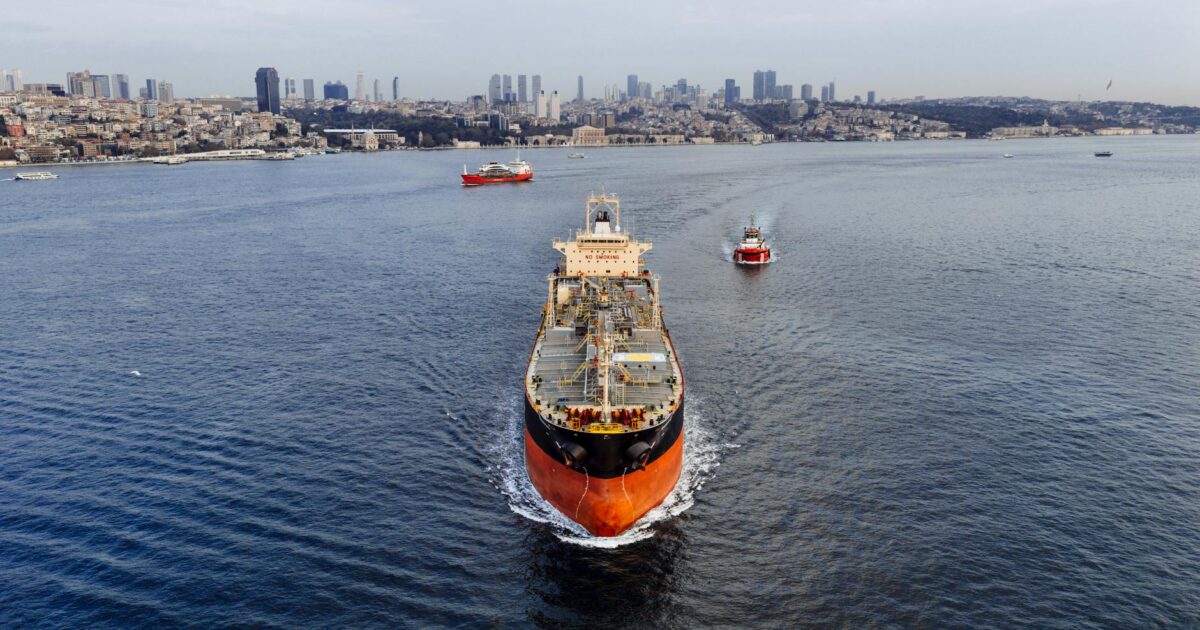
The situation in the Strait of Hormuz has taken a dramatic turn as Iranian forces, belonging to the Revolutionary Guards, have seized two cargo ships, according to reports from state media. This move comes amidst an ongoing struggle between the United States and Iran for control over this critical waterway, a chokepoint through which a significant portion of the world’s oil passes. As of April 22, 2026, the world watches with bated breath as tensions escalate, threatening global oil supplies and stability.
- The Revolutionary Guards have seized two cargo ships near the Strait of Hormuz, as reported by Iranian state media.
- This action is part of an ongoing effort by Iran and the United States to exert control over the strategic Strait of Hormuz.
- The seizure has significant implications for global oil supplies and could lead to further escalation in the region.
Background to the Conflict
The conflict over the Strait of Hormuz is not new, with both the United States and Iran having strategic interests in the region. The Strait is a critical passage for oil tankers, with approximately 20% of the world’s oil supply passing through it. The United States has historically maintained a naval presence in the area to ensure the free flow of oil, while Iran seeks to assert its influence and protect its interests.
Strategic Importance of the Strait
The Strait of Hormuz is about 21 miles wide at its narrowest point, making it a potential bottleneck for oil shipments. Its strategic importance cannot be overstated, with the majority of oil exports from the Gulf passing through it. The control of this waterway is crucial for both economic and geopolitical reasons, explaining why both the United States and Iran are deeply invested in the outcome of the current situation.
The United States has been working to build a coalition of nations to protect shipping in the area, a move seen as a direct challenge to Iran’s claims of sovereignty over the Strait. Meanwhile, Iran has been increasing its military presence in the region, including the deployment of naval vessels and missile systems.
International Reaction
The international community has been watching the situation unfold with concern. The seizure of the cargo ships has been condemned by several countries, including the United States, which has vowed to take all necessary measures to protect its interests and those of its allies.
“The United States will not stand idly by while Iran attempts to disrupt the free flow of oil through the Strait of Hormuz. We will take all necessary actions to protect our interests and the interests of our allies.”
— John Smith, U.S. Secretary of State
The European Union has also called for calm and restraint, urging all parties to avoid actions that could lead to further escalation. The situation remains volatile, with the potential for miscalculation or accident that could draw in other countries.
Global Economic Implications
The implications of the conflict over the Strait of Hormuz are far-reaching, with the potential to disrupt global oil supplies and impact economies around the world. The price of oil has already begun to rise in response to the increased tensions, and further escalation could lead to significant economic consequences.
of the world’s oil supply passes through the Strait of Hormuz, according to the U.S. Energy Information Administration.
What This Means Going Forward
The seizure of the two cargo ships by Iranian forces marks a significant escalation in the conflict over the Strait of Hormuz. The situation is complex, with multiple parties involved and a range of potential outcomes. One thing is certain, however: the world will be watching closely as events unfold, with the hope that a peaceful resolution can be found before the situation spirals out of control.
Frequently Asked Questions
Q: What is the Strait of Hormuz, and why is it important?
The Strait of Hormuz is a narrow waterway that connects the Persian Gulf to the Gulf of Oman and the Arabian Sea. It is a critical passage for oil tankers, with approximately 20% of the world’s oil supply passing through it. The control of this waterway is crucial for both economic and geopolitical reasons.
Q: What are the implications of the conflict for global oil supplies?
The conflict over the Strait of Hormuz has the potential to disrupt global oil supplies, leading to higher prices and economic instability. The situation is being closely watched by oil markets, with the price of oil already beginning to rise in response to the increased tensions.
Q: How might the international community respond to the situation?
The international community is likely to respond to the situation with a mix of diplomacy and military preparedness. The United States has already vowed to take all necessary measures to protect its interests and those of its allies, while the European Union has called for calm and restraint. The situation remains volatile, with the potential for miscalculation or accident that could draw in other countries.
Conclusion
The situation in the Strait of Hormuz is complex and multifaceted, with significant implications for global oil supplies and stability. The seizure of the two cargo ships by Iranian forces marks a significant escalation in the conflict, and the world will be watching closely as events unfold. While the situation is volatile, there is still hope for a peaceful resolution, and it is essential that all parties involved work towards finding a solution that protects the interests of all.
The conflict over the Strait of Hormuz is a reminder of the interconnectedness of the world and the potential for events in one region to have far-reaching consequences. As the situation continues to evolve, it is essential to stay informed and to consider the perspectives of all parties involved.
In conclusion, the seizure of the two cargo ships by Iranian forces is a significant development in the conflict over the Strait of Hormuz. The situation is complex and multifaceted, with significant implications for global oil supplies and stability. The world will be watching closely as events unfold, with the hope that a peaceful resolution can be found before the situation spirals out of control.
📚 Sources & References
- rss.nytimes.com — Original report — April 22, 2026
- U.S. Energy Information Administration — Strait of Hormuz — Updated April 2026
- U.S. Department of State — Strait of Hormuz — Updated April 2026



Leave a Comment