

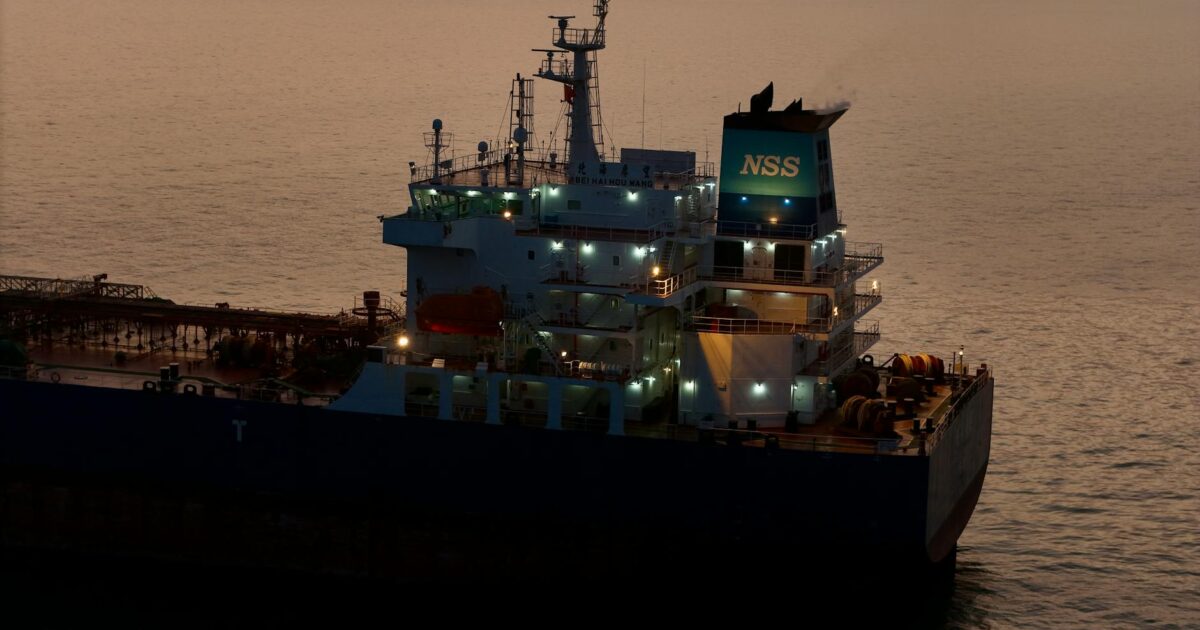
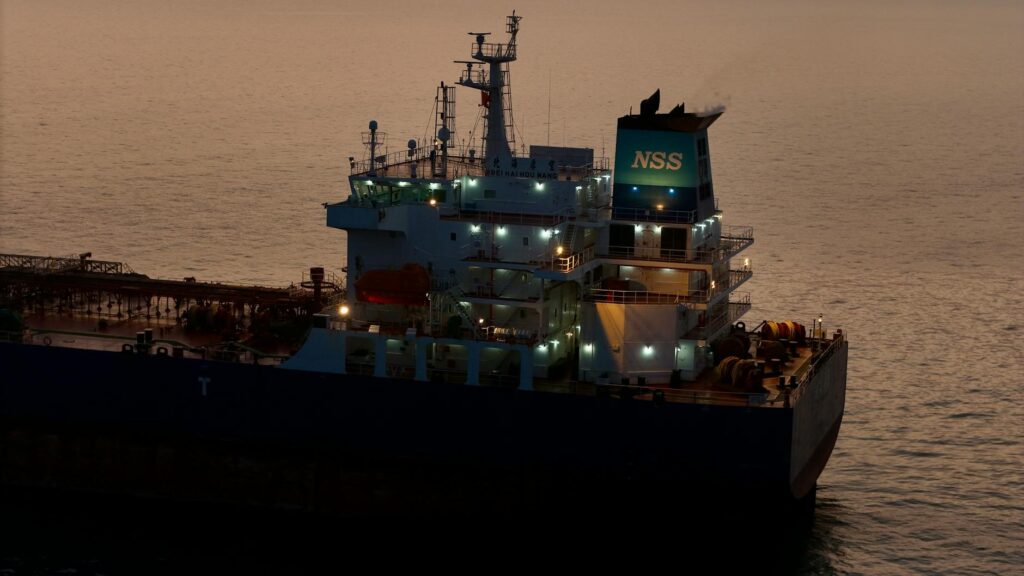
In a dramatic turn of events, Iran’s Revolutionary Guards have seized two ships near the strategically crucial Strait of Hormuz, a move that has injected new uncertainty into the already fragile peace talks between Iran and the United States. According to reports, the seizure occurred on April 22, 2026, and has sparked concerns of a potential escalation in the region. The Strait of Hormuz is a critical waterway through which a significant portion of the world’s oil passes, making it a highly contested and sensitive area.
- Iran’s Revolutionary Guards have seized two ships near the Strait of Hormuz, sparking concerns of escalation.
- The move has injected new uncertainty into the peace talks between Iran and the United States.
- The Strait of Hormuz is a critical waterway through which a significant portion of the world’s oil passes, making it a highly contested area.
Background and Context
The seizure of the two ships is the latest development in a long-standing dispute between Iran and the United States. The two countries have been engaged in a series of tensions and confrontations in recent years, including the imposition of economic sanctions by the United States and the targeting of American drones by Iranian forces. The peace talks, which were initiated in 2025, aim to resolve the outstanding issues between the two countries and restore diplomatic relations.
Historical Context
The Strait of Hormuz has been a source of contention between Iran and the United States for decades. In the 1980s, the United States provided military support to Iraq during the Iran-Iraq War, which included the use of the Strait of Hormuz. Since then, Iran has sought to exert its control over the waterway, which is critical to its economy. The United States, on the other hand, has sought to maintain its presence in the region and protect its interests.
“The seizure of the two ships is a clear indication of Iran’s intention to assert its control over the Strait of Hormuz and challenge the United States’ presence in the region.”
— Dr. Sanam Vakil, Deputy Director of the Middle East and North Africa Programme at Chatham House
Reactions and Responses
The seizure of the two ships has sparked a range of reactions from governments and experts around the world. The United States has responded cautiously, with a Trump spokeswoman stating that the president does not view the seizure as a violation of the cease-fire. However, other countries, including the United Kingdom and France, have expressed concerns about the escalation of tensions in the region.
International Implications
The seizure of the two ships has significant implications for international trade and security. The Strait of Hormuz is a critical waterway through which a significant portion of the world’s oil passes, making it a highly contested area. Any disruption to shipping in the region could have significant consequences for the global economy.
“The seizure of the two ships is a wake-up call for the international community to take a more active role in resolving the dispute between Iran and the United States.”
— Ambassador Wendy Sherman, Former Under Secretary of State for Political Affairs
of the world’s oil passes through the Strait of Hormuz, according to the U.S. Energy Information Administration
What This Means Going Forward
The seizure of the two ships injects new uncertainty into the peace talks between Iran and the United States. The move is likely to escalate tensions in the region and potentially derail the peace talks. The international community will be watching the situation closely, and any further escalation could have significant consequences for global security and trade.
Frequently Asked Questions
Q: What is the significance of the Strait of Hormuz?
The Strait of Hormuz is a critical waterway through which a significant portion of the world’s oil passes, making it a highly contested area. Any disruption to shipping in the region could have significant consequences for the global economy.
Q: How has the United States responded to the seizure of the two ships?
The United States has responded cautiously, with a Trump spokeswoman stating that the president does not view the seizure as a violation of the cease-fire. However, other countries, including the United Kingdom and France, have expressed concerns about the escalation of tensions in the region.
Q: What are the implications of the seizure for international trade and security?
The seizure of the two ships has significant implications for international trade and security. The Strait of Hormuz is a critical waterway through which a significant portion of the world’s oil passes, making it a highly contested area. Any disruption to shipping in the region could have significant consequences for the global economy.
Conclusion
The seizure of the two ships by Iran’s Revolutionary Guards has injected new uncertainty into the peace talks between Iran and the United States. The move is likely to escalate tensions in the region and potentially derail the peace talks. The international community will be watching the situation closely, and any further escalation could have significant consequences for global security and trade. As Dr. Sanam Vakil, Deputy Director of the Middle East and North Africa Programme at Chatham House, noted, “The seizure of the two ships is a clear indication of Iran’s intention to assert its control over the Strait of Hormuz and challenge the United States’ presence in the region.”
The situation is complex and multifaceted, and it will require careful diplomacy and negotiation to resolve. The United States, Iran, and the international community must work together to find a peaceful solution to the dispute and prevent further escalation. As Ambassador Wendy Sherman, Former Under Secretary of State for Political Affairs, noted, “The seizure of the two ships is a wake-up call for the international community to take a more active role in resolving the dispute between Iran and the United States.”
In conclusion, the seizure of the two ships is a significant development in the dispute between Iran and the United States. The move has injected new uncertainty into the peace talks and has significant implications for international trade and security. The international community must work together to find a peaceful solution to the dispute and prevent further escalation.
📚 Sources & References
- rss.nytimes.com — Original report — April 23, 2026
- Chatham House — Dr. Sanam Vakil’s profile — April 23, 2026
- U.S. Department of State — Ambassador Wendy Sherman’s biography — April 23, 2026



Leave a Comment