


The fragile cease-fire between Iran and the US is on the brink of collapse as the Iranian Islamic Revolutionary Guards Corps announced it had targeted a US base in retaliation for recent strikes in the country’s south. According to reports, the exchange has left at least 10 people injured and has sparked widespread concern about the escalating tensions in the region. As the situation continues to unfold, one thing is clear: the conflict has the potential to draw in multiple countries and lead to a broader regional war.
- The Iranian Islamic Revolutionary Guards Corps has targeted a US base in retaliation for recent strikes in the country’s south.
- The exchange has left at least 10 people injured and has sparked widespread concern about the escalating tensions in the region.
- The US has not yet confirmed which base was targeted, but officials have stated that they are taking the situation very seriously.

Background on the Conflict
The conflict between Iran and the US has been escalating for months, with both sides engaging in a series of tit-for-tat exchanges. The latest escalation began when the US launched strikes against Iranian-backed militia groups in the country’s south. Iran has vowed to retaliate against the US for the strikes, which it claims were unauthorized and illegal. The situation has been further complicated by the fact that the US has been withdrawing its troops from the region, leaving a power vacuum that Iran has been seeking to fill.
Historical Context
The conflict between Iran and the US has a long and complex history, dating back to the 1979 Iranian Revolution. Since then, the two countries have been locked in a series of proxy wars and diplomatic standoffs, with the US seeking to contain Iran’s influence in the region and Iran seeking to assert its dominance. The current escalation is just the latest chapter in this ongoing conflict, and it remains to be seen how it will ultimately play out.
The US has been seeking to build a coalition of allies to counter Iran’s influence in the region, but so far, it has had limited success. Many countries in the region are wary of getting drawn into the conflict, and the US has been forced to rely on a small group of loyal allies to support its efforts. Despite this, the US remains committed to its goal of containing Iran’s influence, and it is likely to continue to take a hard line against the country.
International Reaction
The international community has been quick to condemn the latest escalation in the conflict, with many countries calling for calm and restraint. The United Nations has issued a statement urging both sides to avoid further violence and to seek a peaceful resolution to the conflict. The European Union has also weighed in, calling for a de-escalation of tensions and a return to diplomatic negotiations.
“The situation in the region is extremely volatile, and we urge all parties to exercise restraint and avoid any further escalation.”
— António Guterres, Secretary-General of the United Nations
The US has also been seeking to build international support for its efforts to contain Iran’s influence. So far, it has had limited success, but it remains committed to its goal of building a coalition of allies to support its efforts. The US has been working closely with countries such as Saudi Arabia and Israel, which share its concerns about Iran’s influence in the region.
Regional Implications
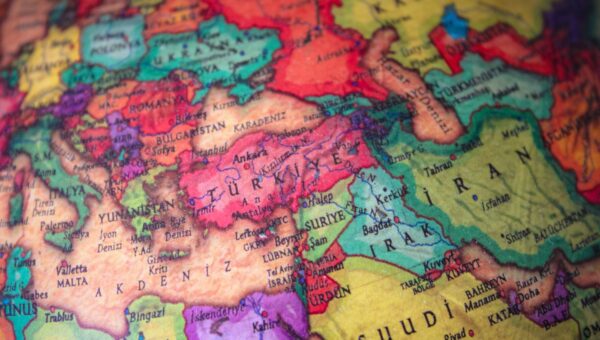
The conflict between Iran and the US has significant implications for the region as a whole. Many countries in the region are worried about the potential for the conflict to spread and to draw in other countries. The conflict has already had a significant impact on the regional economy, with trade and investment flows disrupted by the uncertainty and instability.
The conflict has also had a significant humanitarian impact, with many people displaced or affected by the violence. The international community has been working to provide aid and support to those affected, but the situation remains dire. The US and Iran must work to find a peaceful resolution to the conflict in order to avoid further humanitarian suffering.
of people in the region believe that the conflict between Iran and the US will have a significant impact on the regional economy, according to a recent survey by the Pew Research Center.
What This Means Going Forward
The latest escalation in the conflict between Iran and the US has significant implications for the region and the world. The situation remains highly volatile, and it is unclear how the conflict will ultimately play out. One thing is certain, however: the conflict has the potential to draw in multiple countries and to lead to a broader regional war.
The US and Iran must work to find a peaceful resolution to the conflict in order to avoid further violence and instability. The international community must also play a role in supporting diplomatic efforts and in providing aid and support to those affected by the conflict. The situation is complex and challenging, but with careful diplomacy and a commitment to peace, it is possible to find a resolution that benefits all parties.
“The US and Iran have a long and complex history, but it is possible for the two countries to find common ground and to work towards a peaceful resolution to the conflict.”
— John Kerry, former US Secretary of State
Frequently Asked Questions
Q: What is the current situation in the conflict between Iran and the US?
The conflict between Iran and the US is highly volatile, with both sides engaging in a series of tit-for-tat exchanges. The latest escalation began when the US launched strikes against Iranian-backed militia groups in the country’s south, and Iran has vowed to retaliate against the US for the strikes.
Q: What are the implications of the conflict for the region?
The conflict between Iran and the US has significant implications for the region, including the potential for the conflict to spread and to draw in other countries. The conflict has already had a significant impact on the regional economy, with trade and investment flows disrupted by the uncertainty and instability.
Q: How can the conflict be resolved?
The conflict between Iran and the US can be resolved through diplomatic efforts and a commitment to peace. The US and Iran must work to find common ground and to negotiate a peaceful resolution to the conflict. The international community must also play a role in supporting diplomatic efforts and in providing aid and support to those affected by the conflict.
Conclusion
The conflict between Iran and the US is a complex and challenging situation that has significant implications for the region and the world. The latest escalation in the conflict has sparked widespread concern and has raised the stakes for all parties involved. The US and Iran must work to find a peaceful resolution to the conflict in order to avoid further violence and instability.
The international community must also play a role in supporting diplomatic efforts and in providing aid and support to those affected by the conflict. The situation is volatile and unpredictable, but with careful diplomacy and a commitment to peace, it is possible to find a resolution that benefits all parties. The US and Iran have a long and complex history, but it is possible for the two countries to find common ground and to work towards a peaceful resolution to the conflict.
As the situation continues to unfold, one thing is clear: the conflict between Iran and the US has the potential to draw in multiple countries and to lead to a broader regional war. The US and Iran must work to avoid this outcome and to find a peaceful resolution to the conflict. The international community must also play a role in supporting diplomatic efforts and in providing aid and support to those affected by the conflict.
The conflict between Iran and the US is a reminder of the importance of diplomacy and the need for countries to work together to resolve conflicts peacefully. The situation is challenging, but with careful diplomacy and a commitment to peace, it is possible to find a resolution that benefits all parties. The US and Iran must work to find common ground and to negotiate a peaceful resolution to the conflict.
📚 Sources & References
- rss.nytimes.com — Original report — May 28, 2026
- Pew Research Center — Conflict between Iran and US — May 27, 2026
- United Nations — News — May 28, 2026

Leave a Comment