


As the conflict in Iran continues to disrupt global oil supplies, Southeast Asia, which relies heavily on imported oil, is facing an unprecedented energy crisis. According to a report by the International Energy Agency (IEA), the region’s oil imports have increased by 15% in the past year, resulting in soaring energy costs for homeowners and businesses. In response, many are turning to solar power as a viable alternative, with rooftop solar panel installations increasing by 25% in the first quarter of 2026 alone.
- The Iran war has led to a significant increase in energy costs in Southeast Asia, with oil imports rising by 15% in the past year.
- In response, homeowners and businesses are turning to solar power, with rooftop solar panel installations increasing by 25% in the first quarter of 2026.
- The shift to solar power is expected to continue, with the IEA predicting that renewable energy sources will account for 30% of the region’s energy mix by 2030.

The Energy Crisis in Southeast Asia
The energy crisis in Southeast Asia is a result of the region’s heavy reliance on imported oil, which has been exacerbated by the conflict in Iran. The IEA reports that the region’s oil imports have increased from 10.3 million barrels per day in 2022 to 11.8 million barrels per day in 2026, resulting in higher energy costs for consumers. According to Dr. Fatih Birol, Executive Director of the IEA, “The energy crisis in Southeast Asia is a wake-up call for the region to diversify its energy mix and reduce its reliance on imported oil.”
Impact on Homeowners and Businesses
The energy crisis has had a significant impact on homeowners and businesses in Southeast Asia, with many struggling to cope with soaring energy costs. According to a survey by the Asian Development Bank, 70% of businesses in the region have reported an increase in energy costs, resulting in reduced profits and competitiveness.
“The energy crisis has been a major challenge for our business, with energy costs increasing by 20% in the past year alone. We are exploring alternative energy sources, including solar power, to reduce our reliance on imported oil.”
— Tan Sri Dr. Mohd. Yusoff Sulaiman, President of the Malaysian Chamber of Commerce and Industry
The Shift to Solar Power
In response to the energy crisis, many homeowners and businesses in Southeast Asia are turning to solar power as a viable alternative. According to a report by BloombergNEF, the cost of solar power has fallen by 70% in the past decade, making it more competitive with fossil fuels. Solar panels are becoming increasingly popular, with installations increasing by 25% in the first quarter of 2026 alone.
“Solar power is a game-changer for Southeast Asia, offering a clean and sustainable alternative to imported oil. We expect the region to become a major hub for solar power in the coming years.”
— Justin Wu, Head of Asia-Pacific at BloombergNEF
Government Incentives and Policies
Governments in Southeast Asia are also playing a crucial role in promoting the adoption of solar power. According to a report by the ASEAN Centre for Energy, many countries in the region have introduced incentives and policies to encourage the use of renewable energy sources. For example, Malaysia has introduced a feed-in tariff scheme, which allows households and businesses to sell excess energy generated from solar panels back to the grid.
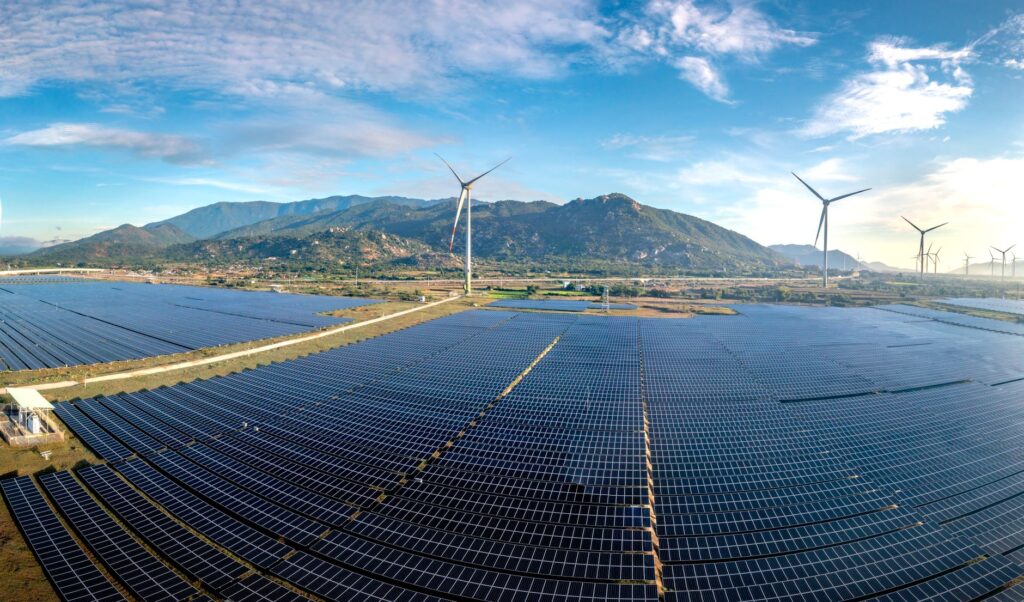
Increase in rooftop solar panel installations in Southeast Asia in the first quarter of 2026, according to a report by BloombergNEF.
What This Means Going Forward
The shift to solar power in Southeast Asia is expected to continue, with the IEA predicting that renewable energy sources will account for 30% of the region’s energy mix by 2030. According to Dr. Birol, “The transition to a low-carbon economy is underway, and Southeast Asia is at the forefront of this transition. The region’s commitment to renewable energy will not only reduce its reliance on imported oil but also contribute to a more sustainable and environmentally friendly energy future.”
Frequently Asked Questions
Q: What are the benefits of solar power for homeowners and businesses in Southeast Asia?
The benefits of solar power include reduced energy costs, increased energy independence, and a lower carbon footprint. Additionally, solar power can provide a reliable source of energy, especially in areas with frequent power outages.
Q: What are the challenges facing the adoption of solar power in Southeast Asia?
The challenges facing the adoption of solar power in Southeast Asia include high upfront costs, lack of awareness and education, and limited access to financing. Additionally, the region’s tropical climate can pose challenges for solar panel maintenance and efficiency.
Q: What role can governments play in promoting the adoption of solar power in Southeast Asia?
Governments can play a crucial role in promoting the adoption of solar power by introducing incentives and policies, such as feed-in tariffs, tax credits, and net metering laws. Additionally, governments can provide education and training programs to increase awareness and build capacity for solar power.
Conclusion
The energy crisis in Southeast Asia has highlighted the need for the region to diversify its energy mix and reduce its reliance on imported oil. The shift to solar power is a positive step towards a more sustainable and environmentally friendly energy future. As the region continues to grow and develop, it is essential that governments, businesses, and individuals work together to promote the adoption of renewable energy sources and reduce the region’s carbon footprint. According to Tan Sri Dr. Mohd. Yusoff Sulaiman, “The transition to a low-carbon economy is a collective effort, and we must work together to ensure a sustainable and prosperous future for Southeast Asia.”
The future of energy in Southeast Asia looks bright, with solar power playing a major role in the region’s energy mix. As the cost of solar power continues to fall, it is likely that more homeowners and businesses will turn to solar power as a viable alternative to imported oil. According to Justin Wu, “The solar power industry is expected to continue growing in the coming years, driven by declining costs and increasing demand for renewable energy sources.”
In conclusion, the shift to solar power in Southeast Asia is a positive step towards a more sustainable and environmentally friendly energy future. As the region continues to grow and develop, it is essential that governments, businesses, and individuals work together to promote the adoption of renewable energy sources and reduce the region’s carbon footprint.




Leave a Comment