

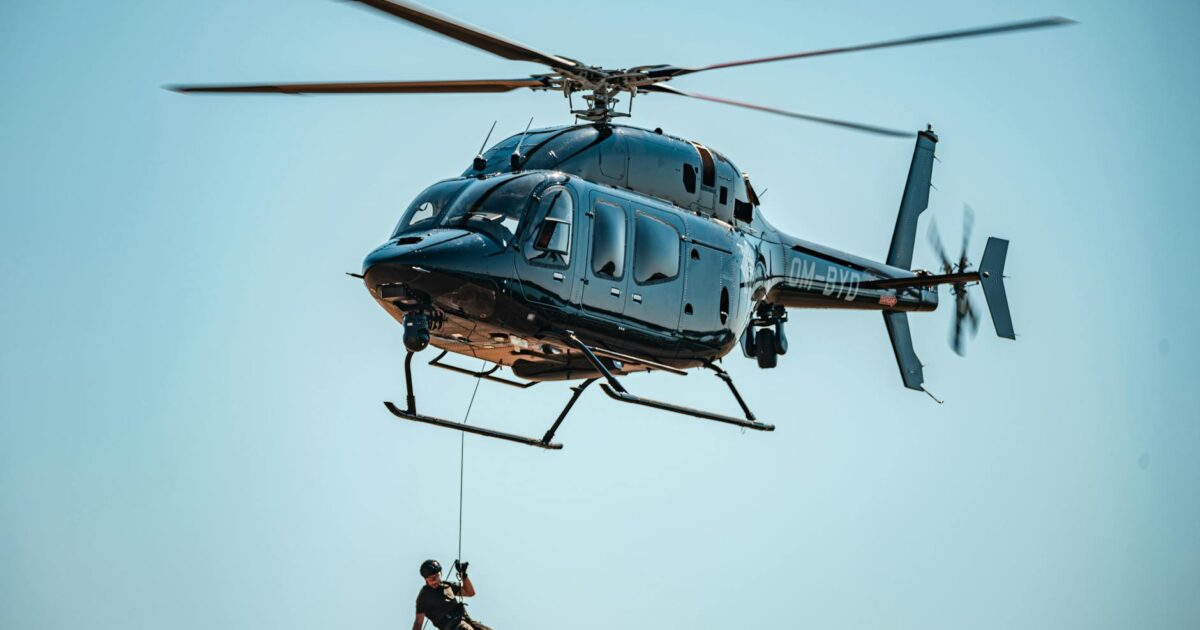
In a heart-pounding, high-stakes operation, a team of army parachutists has landed on the remote island of Tristan da Cunha, a British overseas territory in the South Atlantic Ocean, to rescue a British citizen suspected of contracting the deadly hantavirus. According to the World Health Organization (WHO), hantavirus has a mortality rate of up to 50% if left untreated. The rescue mission highlights the extreme measures being taken to combat the spread of infectious diseases in even the most inaccessible regions of the world. With a population of less than 300 people, Tristan da Cunha is one of the most remote inhabited islands in the world.
- The British army has conducted a daring parachute rescue mission on Tristan da Cunha to evacuate a citizen suspected of having hantavirus.
- Hantavirus is a potentially deadly disease with a high mortality rate if left untreated, according to the WHO.
- The rescue operation underscores the challenges of providing medical care in remote and isolated areas, where access to healthcare is severely limited.
Background on Hantavirus and Tristan da Cunha
Hantavirus is a viral disease spread by rodents, and its symptoms can range from mild to severe, including fever, fatigue, and kidney failure. The disease is typically found in rural areas where rodents are common, and outbreaks have been reported in various parts of the world, including the Americas, Europe, and Asia. Tristan da Cunha, with its rugged terrain and limited infrastructure, poses significant challenges for medical evacuation and rescue operations.
Geography and Demographics of Tristan da Cunha
Tristan da Cunha is a volcanic island with a total area of approximately 98 square kilometers. The island has a population of less than 300 people, who live in the only settlement, Edinburgh of the Seven Seas. The island’s remote location, over 2,000 kilometers west of Cape Town, South Africa, makes it one of the most inaccessible places on Earth. The lack of direct air links and limited sea connections exacerbate the challenges of providing medical care and emergency services to the island’s residents.
According to Dr. Mike Ryan, Executive Director of the WHO Health Emergencies Programme, “The rescue operation on Tristan da Cunha highlights the importance of global cooperation and preparedness in responding to public health emergencies, even in the most remote and hard-to-reach areas.”
“The ability to respond quickly and effectively to disease outbreaks, regardless of the location, is critical to saving lives and preventing further spread of the disease.”
— Dr. Mike Ryan, Executive Director, WHO Health Emergencies Programme
The Rescue Operation
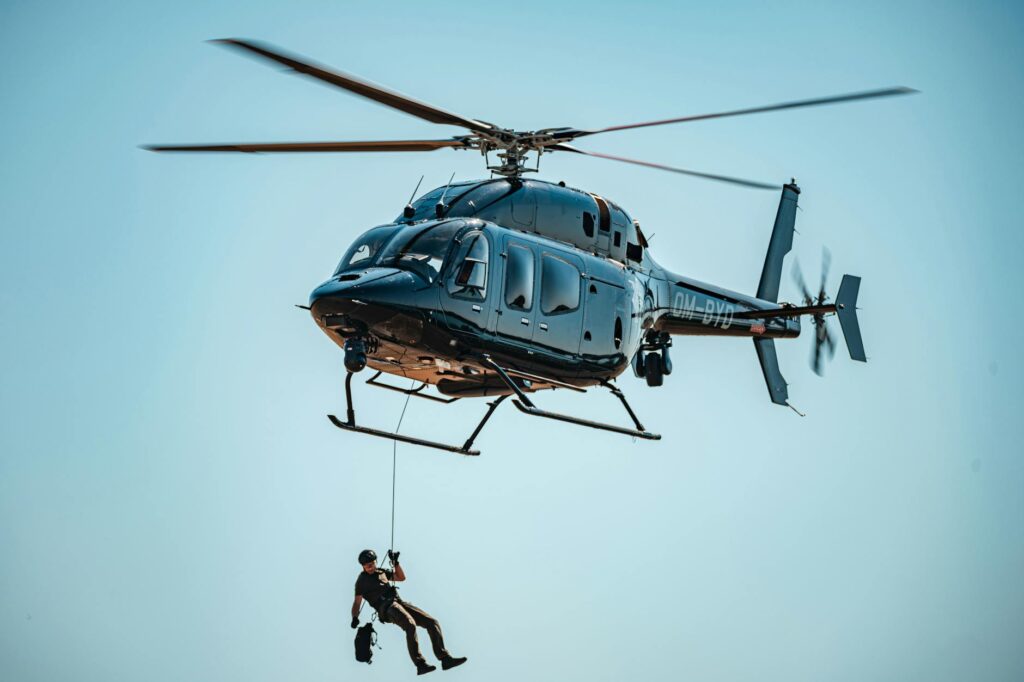
The rescue mission was carried out by a team of army parachutists, who were dispatched to the island to evacuate the British citizen suspected of having hantavirus. The operation involved a complex logistics effort, including the deployment of a military aircraft and a team of medical specialists. The parachutists were equipped with specialized gear, including medical equipment and communication devices, to ensure a safe and successful evacuation.
Challenges of the Rescue Operation
The rescue operation on Tristan da Cunha posed significant challenges, including the island’s rugged terrain, limited infrastructure, and harsh weather conditions. The team of parachutists had to navigate the island’s steep cliffs, rocky terrain, and strong winds to reach the patient, who was located in a remote area of the island. The operation required precise planning and coordination, involving multiple agencies and stakeholders, to ensure a successful evacuation.
Mortality rate of hantavirus if left untreated, according to the World Health Organization (WHO)
What This Means Going Forward
The rescue operation on Tristan da Cunha highlights the importance of global cooperation and preparedness in responding to public health emergencies, even in the most remote and hard-to-reach areas. The operation demonstrates the willingness of governments and international organizations to go to great lengths to save lives and prevent the spread of infectious diseases. As the world becomes increasingly interconnected, the need for effective emergency response systems and global cooperation will only continue to grow.
Frequently Asked Questions
Q: What is hantavirus, and how is it spread?
Hantavirus is a viral disease spread by rodents, typically through their urine, saliva, and feces. The disease can be spread to humans through contact with contaminated materials, such as food, water, and soil.
Q: How common is hantavirus, and what are the symptoms?
Hantavirus is a relatively rare disease, but it can be deadly if left untreated. Symptoms can range from mild to severe, including fever, fatigue, and kidney failure. In severe cases, the disease can cause respiratory failure and death.
Q: What measures can be taken to prevent the spread of hantavirus?
To prevent the spread of hantavirus, it is essential to avoid contact with rodents and their habitats. This can be achieved by sealing entry points to homes and buildings, removing food and shelter sources, and using personal protective equipment when handling potentially contaminated materials.
Conclusion
The rescue operation on Tristan da Cunha is a testament to the bravery and selflessness of the individuals involved and the importance of global cooperation in responding to public health emergencies. As the world continues to grapple with the challenges of infectious diseases, it is essential to prioritize preparedness, cooperation, and innovation to save lives and prevent the spread of disease. The operation also highlights the need for continued investment in global health infrastructure, including emergency response systems, healthcare facilities, and disease surveillance networks.
According to Dr. Tedros Adhanom Ghebreyesus, Director-General of the WHO, “The rescue operation on Tristan da Cunha demonstrates the power of global solidarity and cooperation in the face of public health emergencies.”
“We must continue to work together to strengthen our collective response to disease outbreaks, including through the development of new technologies, the enhancement of healthcare infrastructure, and the promotion of global cooperation and solidarity.”
— Dr. Tedros Adhanom Ghebreyesus, Director-General, WHO
The rescue operation on Tristan da Cunha will undoubtedly serve as a model for future emergency response efforts, highlighting the importance of preparedness, cooperation, and innovation in saving lives and preventing the spread of infectious diseases.



Leave a Comment