


The ongoing conflict in Iran has resulted in a significant surge in profits for several companies, with some seeing their share prices soar by as much as 20% in the past quarter alone. According to a report by the BBC, the war has been a boon for firms involved in the defense and aerospace industries, with many seeing their revenues increase by billions of dollars. As of May 8, 2026, the conflict shows no signs of abating, leaving many to wonder which companies are benefiting the most from the ongoing violence.
- The Iran conflict has resulted in significant profits for companies in the defense and aerospace industries.
- Some firms have seen their share prices increase by as much as 20% in the past quarter.
- The conflict has also led to an increase in demand for military equipment and supplies, benefiting companies that provide these services.

The Defense Industry Boom
The defense industry has seen a significant boom in recent months, with many companies experiencing a surge in demand for their products and services. This is largely due to the ongoing conflict in Iran, which has led to an increase in demand for military equipment and supplies. According to a report by the Stockholm International Peace Research Institute (SIPRI), the global defense industry saw a 3.6% increase in sales in 2025, with the top 100 companies generating over $500 billion in revenue.
Key Players
Some of the key players in the defense industry that have benefited from the conflict in Iran include Lockheed Martin, Boeing, and Raytheon Technologies. These companies have seen significant increases in their share prices, with Lockheed Martin’s stock price increasing by over 15% in the past quarter. According to Lockheed Martin’s CEO, James Taiclet, the company’s sales have been driven by the ongoing demand for its F-35 fighter jets, which are being used by several countries involved in the conflict.
“The F-35 program continues to be a major driver of our sales, with several countries placing orders for the aircraft in recent months.”
— James Taiclet, CEO of Lockheed Martin
Impact on the Global Economy
The conflict in Iran has also had a significant impact on the global economy, with many countries experiencing an increase in defense spending. According to a report by the International Monetary Fund (IMF), global defense spending is expected to increase by 5% in 2026, with the United States, China, and Saudi Arabia being the top spenders. This increase in defense spending has led to a surge in demand for military equipment and supplies, benefiting companies that provide these services.
Increase in share price of Lockheed Martin in the past quarter, according to a report by Bloomberg
The Human Cost of War
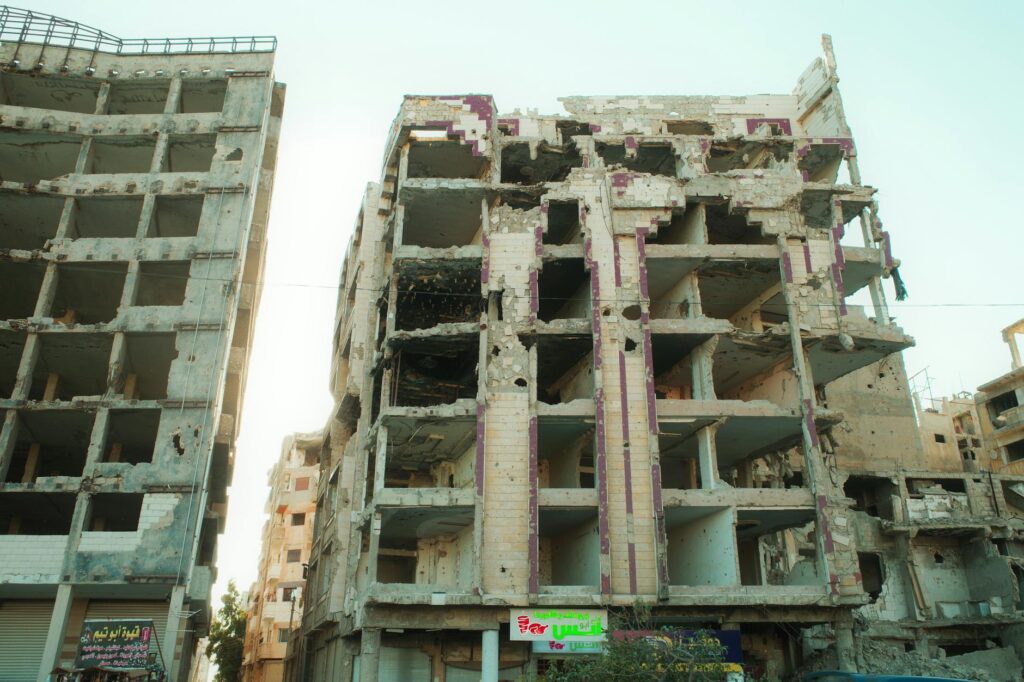
While the conflict in Iran has been a boon for some companies, it has also had a significant human cost. According to a report by the United Nations, the conflict has resulted in the deaths of thousands of civilians, with many more displaced from their homes. The conflict has also had a significant impact on the country’s infrastructure, with many buildings and roads destroyed.
International Response
The international community has responded to the conflict in Iran with a mix of condemnation and support. According to United Nations Secretary-General, António Guterres, the conflict is a “stain on our collective conscience” and has called for an immediate ceasefire. However, some countries have continued to provide military support to the warring parties, exacerbating the conflict.
“The conflict in Iran is a stain on our collective conscience, and it is imperative that we work towards a peaceful resolution as soon as possible.”
— António Guterres, United Nations Secretary-General
What This Means Going Forward
The ongoing conflict in Iran has significant implications for the global economy and the defense industry. As the conflict continues to escalate, it is likely that defense spending will continue to increase, benefiting companies that provide military equipment and supplies. However, the human cost of the conflict must not be forgotten, and it is imperative that the international community works towards a peaceful resolution as soon as possible.
Frequently Asked Questions
Q: Which companies are benefiting the most from the conflict in Iran?
The companies that are benefiting the most from the conflict in Iran are those in the defense and aerospace industries, such as Lockheed Martin, Boeing, and Raytheon Technologies. These companies have seen significant increases in their share prices and revenues due to the ongoing demand for military equipment and supplies.
Q: How has the conflict in Iran affected the global economy?
The conflict in Iran has had a significant impact on the global economy, with many countries experiencing an increase in defense spending. According to a report by the International Monetary Fund (IMF), global defense spending is expected to increase by 5% in 2026, with the United States, China, and Saudi Arabia being the top spenders.
Q: What is the human cost of the conflict in Iran?
The conflict in Iran has had a significant human cost, with thousands of civilians killed and many more displaced from their homes. The conflict has also had a significant impact on the country’s infrastructure, with many buildings and roads destroyed. According to a report by the United Nations, the conflict is a “stain on our collective conscience” and has called for an immediate ceasefire.
Conclusion
The conflict in Iran has been a boon for some companies, with those in the defense and aerospace industries experiencing a surge in profits and share prices. However, the human cost of the conflict must not be forgotten, and it is imperative that the international community works towards a peaceful resolution as soon as possible. As the conflict continues to escalate, it is likely that defense spending will continue to increase, benefiting companies that provide military equipment and supplies. However, the long-term implications of the conflict on the global economy and the defense industry remain to be seen.
The conflict in Iran is a complex issue, with many different factors at play. While some companies are benefiting from the conflict, it is essential to remember the human cost and work towards a peaceful resolution. The international community must come together to find a solution to the conflict, and it is crucial that we prioritize the safety and well-being of civilians.
In conclusion, the conflict in Iran is a significant issue that has far-reaching implications for the global economy and the defense industry. While some companies are benefiting from the conflict, it is essential to remember the human cost and work towards a peaceful resolution. As we move forward, it is crucial that we prioritize the safety and well-being of civilians and work towards a solution that benefits all parties involved.


Leave a Comment