

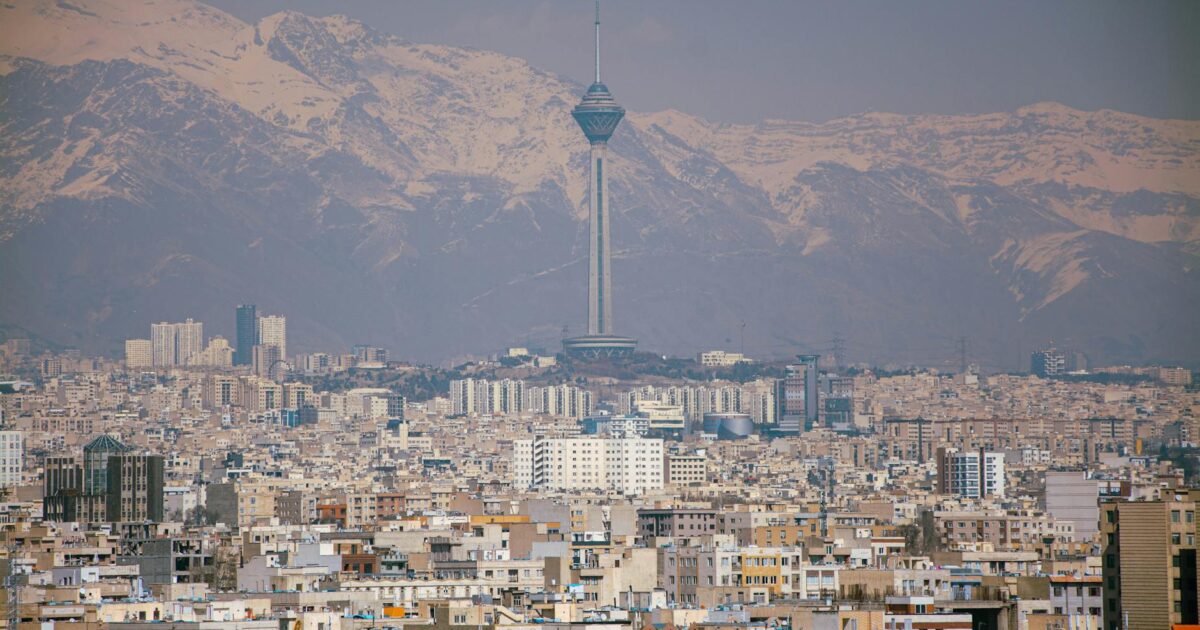
In a surprise move, President Trump announced that the Strait of Hormuz was open again, but the U.S. blockade of Iranian ports would continue until a deal was reached, sparking a heated response from Iran’s top negotiator, who vowed to close the strait unless the blockade was lifted. According to recent reports, over 20% of the world’s oil passes through the Strait of Hormuz, making it a critical chokepoint in the global energy supply chain. The situation remains volatile, with both sides dug in and refusing to back down.
- The Strait of Hormuz has been reopened, but the U.S. blockade of Iranian ports remains in place.
- Iran’s top negotiator has threatened to close the strait unless the blockade is lifted.
- The situation is being closely watched by global leaders, with many calling for a peaceful resolution to the crisis.
Background on the Crisis
The current crisis began several months ago, when the U.S. imposed sanctions on Iran in response to its nuclear program. Iran retaliated by seizing several oil tankers and attacking Saudi Arabian oil facilities. The situation escalated further when the U.S. sent troops to the region, prompting Iran to threaten to close the Strait of Hormuz. The strait is a narrow waterway that connects the Persian Gulf to the Arabian Sea, and it is a critical shipping route for oil and other goods.
Impact on Global Trade
The closure of the Strait of Hormuz would have significant implications for global trade, particularly for countries that rely heavily on oil imports. According to a report by the International Energy Agency, a closure of the strait could lead to a 10-15% increase in global oil prices, which would have a devastating impact on the global economy. The report also notes that the strait is a critical shipping route for other goods, including food and manufactured goods.
“The Strait of Hormuz is a vital waterway that is essential to the global economy. Any disruption to shipping in the region would have significant consequences for the world.”
— Fatih Birol, Executive Director of the International Energy Agency
U.S. and Iranian Positions
The U.S. and Iran remain far apart in their positions on the crisis. The U.S. is insisting that Iran must agree to a new nuclear deal and cease its support for militant groups in the region. Iran, on the other hand, is demanding that the U.S. lift its sanctions and recognize its right to develop its nuclear program. The two sides have been engaged in indirect talks, but so far, no agreement has been reached.
European Efforts to Broker a Deal
European leaders have been trying to broker a deal between the U.S. and Iran, but their efforts have been met with limited success. The European Union has imposed its own sanctions on Iran, but it has also been working to establish a special payment channel to allow European companies to continue doing business with Iran. The EU’s foreign policy chief, Josep Borrell, has been leading the effort to broker a deal, but so far, no breakthrough has been achieved.
“We are working tirelessly to find a solution to this crisis. We believe that a diplomatic solution is possible, but it will require flexibility and compromise from all sides.”
— Josep Borrell, EU Foreign Policy Chief
of the world’s oil passes through the Strait of Hormuz, making it a critical chokepoint in the global energy supply chain, according to a report by the U.S. Energy Information Administration.
What This Means Going Forward
The reopening of the Strait of Hormuz is a positive development, but it does not necessarily mean that the crisis is over. The U.S. blockade of Iranian ports remains in place, and Iran has threatened to close the strait unless the blockade is lifted. The situation remains volatile, and it is unclear what will happen next. One thing is certain, however: the crisis has significant implications for global trade and the global economy, and it will require a concerted effort from all sides to resolve it peacefully.
Frequently Asked Questions
Q: What is the Strait of Hormuz, and why is it important?
The Strait of Hormuz is a narrow waterway that connects the Persian Gulf to the Arabian Sea. It is a critical shipping route for oil and other goods, and it is essential to the global economy. Over 20% of the world’s oil passes through the strait, making it a vital waterway for global trade.
Q: What are the U.S. and Iranian positions on the crisis?
The U.S. is insisting that Iran must agree to a new nuclear deal and cease its support for militant groups in the region. Iran, on the other hand, is demanding that the U.S. lift its sanctions and recognize its right to develop its nuclear program. The two sides have been engaged in indirect talks, but so far, no agreement has been reached.
Q: What are the implications of the crisis for global trade and the global economy?
The crisis has significant implications for global trade and the global economy. A closure of the Strait of Hormuz could lead to a 10-15% increase in global oil prices, which would have a devastating impact on the global economy. The crisis could also disrupt global supply chains and lead to shortages of food and other essential goods.
Conclusion
The crisis in the Strait of Hormuz is a complex and multifaceted issue that requires a concerted effort from all sides to resolve peacefully. The reopening of the strait is a positive development, but it does not necessarily mean that the crisis is over. The U.S. blockade of Iranian ports remains in place, and Iran has threatened to close the strait unless the blockade is lifted. The situation remains volatile, and it is unclear what will happen next. One thing is certain, however: the crisis has significant implications for global trade and the global economy, and it will require a peaceful resolution to prevent a global catastrophe.
The international community must come together to find a solution to this crisis. The EU’s efforts to broker a deal between the U.S. and Iran are a positive step, but more needs to be done. The U.S. and Iran must be willing to compromise and find a mutually acceptable solution. The fate of the global economy and global trade hangs in the balance, and it is imperative that a peaceful resolution is found as soon as possible.
In the end, the crisis in the Strait of Hormuz is a reminder of the importance of diplomacy and international cooperation. The world is a complex and interconnected place, and crises like this one can have far-reaching consequences. It is up to the international community to come together and find a solution to this crisis, and to work towards a more peaceful and stable world.
📚 Sources & References
- rss.nytimes.com — Original report — April 18, 2026
- International Energy Agency — Oil Market Report — April 2026
- U.S. Energy Information Administration — Strait of Hormuz — April 2026



Leave a Comment